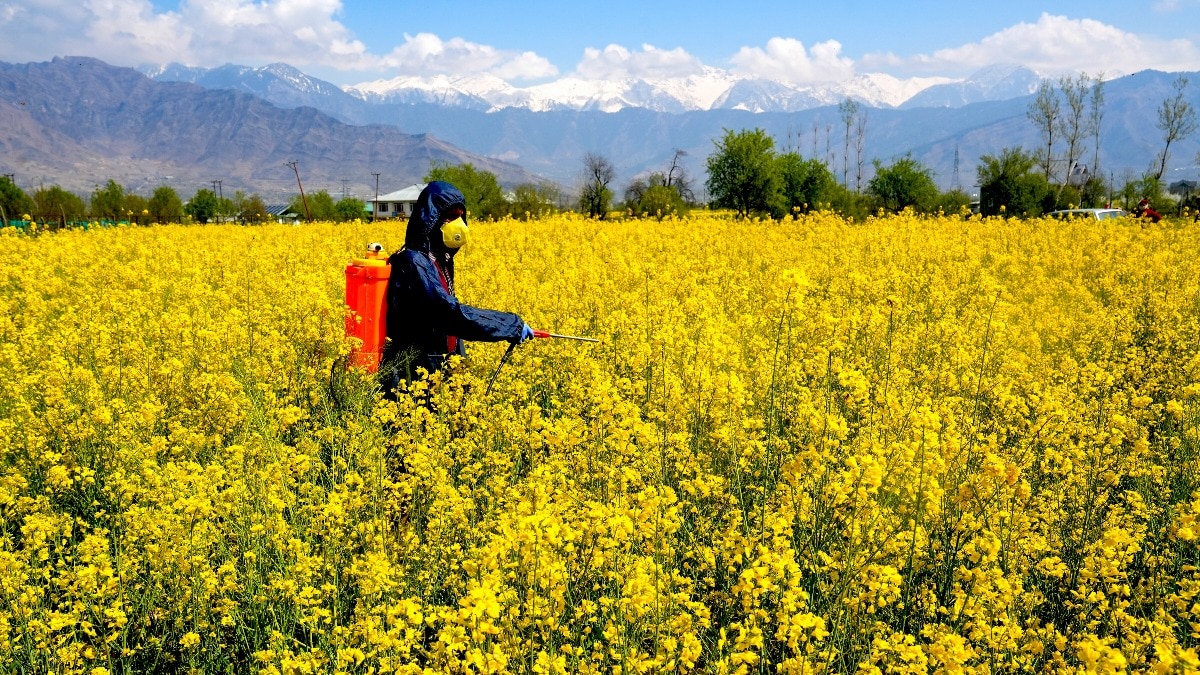
The resignation of a French minister over bee-harming pesticides has highlighted a disturbing reality in India, where 24 hazardous chemicals remain approved for agricultural use. Experts warn that losing pollinators could trigger a massive food security crisis.
Key Takeaways
- French Minister Monique Barbut resigned in protest against bee-harming pesticides.
- India has allowed 24 highly hazardous pesticides to remain in use despite previous ban proposals.
- The decline of bees poses a direct threat to global and national food security.
- Toxic runoff is also destroying earthworms, essential for soil fertility.
The resignation of France's Minister for Ecological Transition, Monique Barbut, has sent shockwaves through the global environmental community. Her decision was a principled stand against the influence of agrochemical giants. Barbut refused to endorse pesticides like acetamiprid and flupyradifurone, which are known to be devastating to bee populations, choosing integrity over political office.
The Indian Paradox: Profit Over Pollinators
In stark contrast to France's proactive stance, India finds itself in a troubling position. While the Ministry of Agriculture drafted a proposal in 2020 to ban 27 highly hazardous pesticides, a significant U-turn occurred in 2023. Due to intense lobbying from the agrochemical industry, 24 of these toxic substances were granted permission to remain in the market.
Why This Matters
BozokMedia analysis shows that this policy shift is not merely administrative but a fundamental threat to the biological foundation of agriculture. Bees are the primary engines of pollination. Without them, more than half of the crops grown in India would fail to produce seeds or fruit, leading to an inevitable and catastrophic food shortage.
"If bees disappeared from the face of the Earth, humans would have only four years left to live." — Albert Einstein.
The Silent Death of Soil Engineers
The devastation extends beneath the surface. Chemicals such as chlorpyrifos and carbofuran seep into the earth, targeting not just bees but also earthworms. Earthworms are the 'engineers of the soil' that maintain aeration and fertility. The indiscriminate use of these toxins is paralyzing these organisms, effectively turning fertile farmland into lifeless dust.
Frequently Asked Questions
1. Why did the French minister resign?
She resigned to protest the approval of pesticides that are highly harmful to bees and the environment.
2. What is the impact of pesticides on soil health?
Pesticides kill essential organisms like earthworms, which reduces soil oxygenation and long-term fertility.

