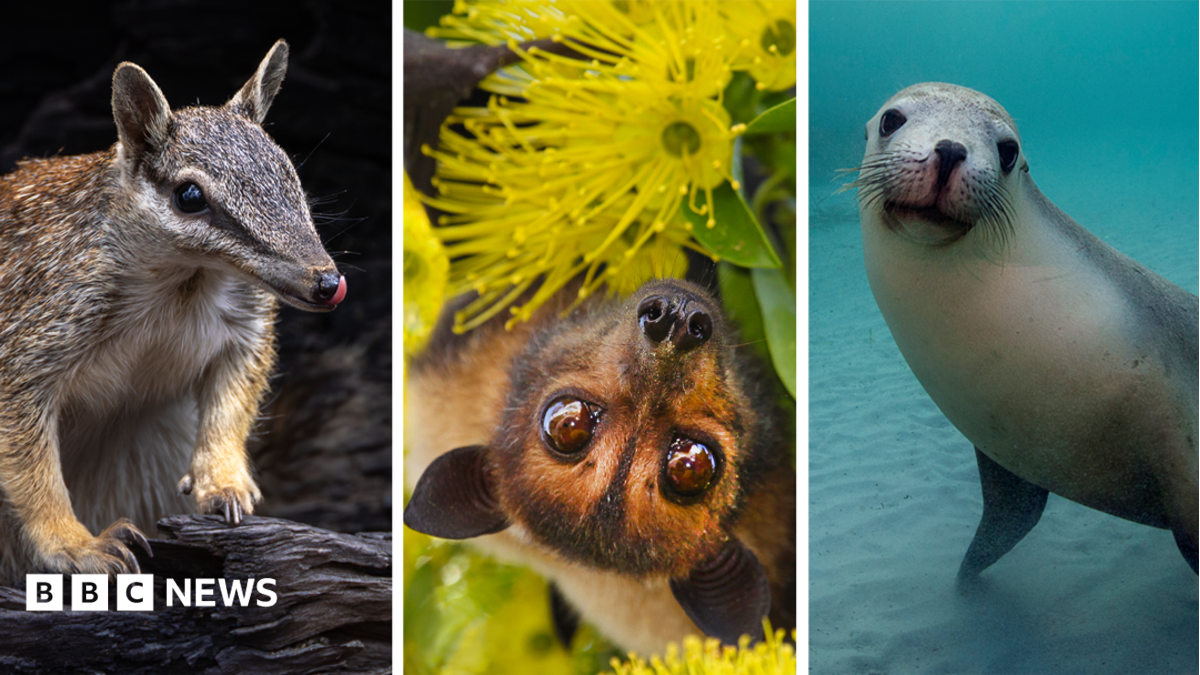
While Australia faces an unprecedented extinction emergency, the recovery of the Numbat offers a rare sign of hope. Discover the forces driving this biological crisis.
Key Takeaways
- Australia is losing approximately four species every decade.
- The Numbat has been successfully removed from the international red list of threatened species.
- Invasive predators, habitat loss, and climate change are the primary drivers of extinction.
Australia has long been celebrated as a global nature haven, boasting unique species that exist nowhere else on Earth. However, this biological treasure trove is rapidly turning into the world's 'extinction capital.' With roughly four species vanishing every decade, the continent is facing a profound ecological crisis.
The Numbat: A Rare Success Story
In the Dryandra Woodland of Western Australia, researchers are searching for the Numbat, a rare marsupial that resembles a cross between a chipmunk and an anteater. Once widespread, these creatures were pushed to the brink of disappearance. However, thanks to relentless conservation efforts and dedicated volunteers, the Numbat has recently been scratched off the international red list of threatened species—a significant victory in a landscape of loss.
Why This Matters: BozokMedia Analysis
BozokMedia analysis shows that the crisis in Australia is not caused by a single factor but a compounding 'perfect storm' of threats. The intersection of invasive species, rapid urban development, and extreme weather events is creating a feedback loop that makes survival nearly impossible for many endemic species.
"It's not even a case of imagining it, it's happening in front of our own eyes," Professor Euan Ritchie told the BBC.
The threats are multifaceted. Feral cats and foxes act as relentless predators, while industries like mining and farming continue to fragment critical habitats. Furthermore, climate change has introduced unprecedented volatility, from the devastating 2019-20 'Black Summer' bushfires—which killed an estimated three billion animals—to record-breaking floods.
Threat Comparison Matrix
| Threat Factor | Primary Impact | Severity Level |
|---|---|---|
| Invasive Species | Numbats, Koalas, Frogs | Critical |
| Habitat Destruction | Local Mammals & Birds | High |
| Climate Change | Flying Foxes, Sea Lions | Escalating |
Frequently Asked Questions
1. What makes the Numbat special?
The Numbat is a unique marsupial that feeds almost exclusively on termites and is a symbol of conservation success in Australia.
2. How does climate change affect Australian wildlife?
It causes extreme temperatures that kill species like flying foxes and drives natural disasters like bushfires that destroy entire habitats.


