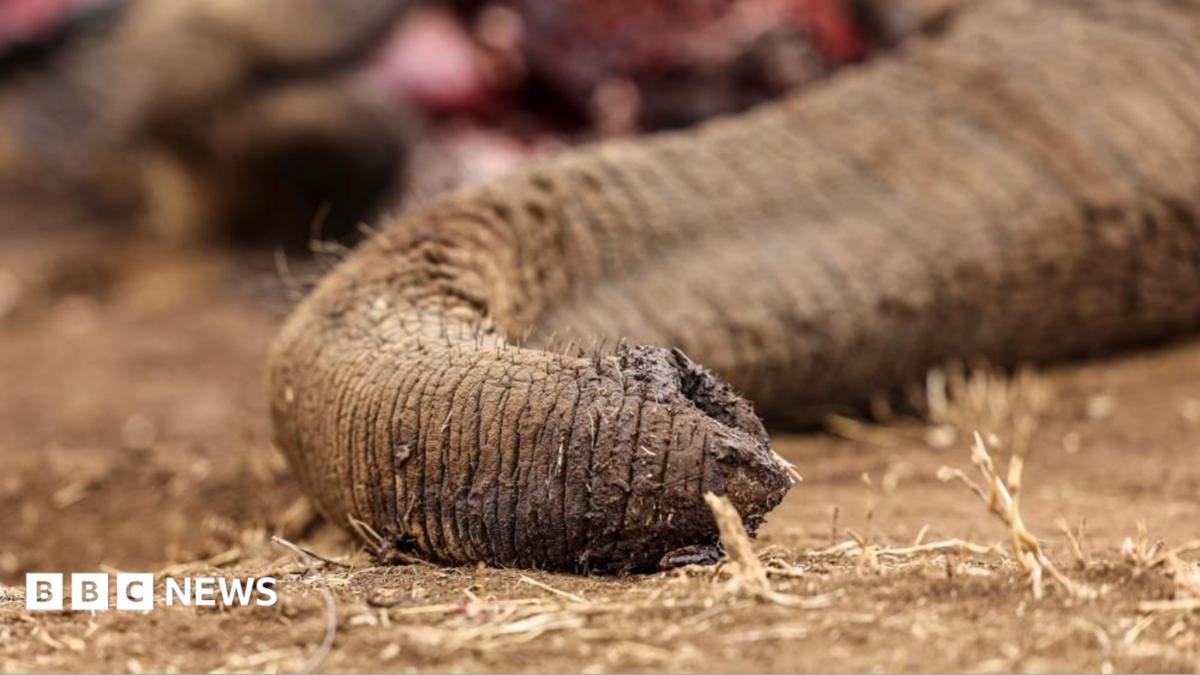
Authorities in Kenya have detained four suspects following the suspicious deaths of at least 18 elephants in Amboseli National Park, suspected to be caused by cyanide-laced crops.
- At least 18 elephants have died mysteriously in Amboseli National Park.
- Four suspects, including three Kenyans and one Tanzanian, have been detained.
- Laboratory tests confirmed traces of cyanide in crop samples from elephant stomachs.
- Illegal pesticides used on tomato farms are the suspected cause of death.
In a devastating blow to wildlife conservation, officials in Kenya have arrested four individuals as part of an intensive investigation into a series of mysterious elephant deaths. The Kenya Wildlife Service (KWS) confirmed that three Kenyan nationals and one Tanzanian national are being held on suspicion of poisoning at least 18 elephants within the Amboseli National Park over the last two months.
The investigation is currently focusing on whether the elephants succumbed to cyanide poisoning after consuming large quantities of tomatoes sprayed with illegal pesticides. Preliminary laboratory analysis has provided chilling evidence, finding traces of cyanide in crop samples retrieved from the stomachs of the deceased animals. Most of the victims were adult females and their calves, all of whom exhibited signs of paralysis—a hallmark symptom of cyanide toxicity.
Why This Matters
BozokMedia analysis shows that this tragedy highlights a critical intersection of human-wildlife conflict and the unregulated trade of banned agrochemicals. The tomato farms located in the Kimana area act as a vital corridor between Amboseli and Tsavo National Park. While these crops provide sustenance for local economies, they have inadvertently become death traps for the elephants that frequent the area in search of food.
The Amboseli ecosystem is a transboundary region near the Tanzania border, supporting a massive population of over 2,000 elephants. The porous nature of this border allows for the smuggling of pesticides that are strictly prohibited in Kenya. Despite existing regulations against these hazardous chemicals, weak enforcement in agricultural zones remains a significant loophole that endangers the region's biodiversity.
The unchecked use of illegal agrochemicals poses an existential threat to the migratory corridors essential for elephant survival in Africa.
Historical Background
The Amboseli ecosystem has long been a cornerstone of African conservation efforts. As human settlements expand and agricultural lands encroach upon traditional migratory routes, the tension between local farming communities and wildlife management has intensified, making the protection of these corridors more vital than ever.
Frequently Asked Questions
Question 1: What caused the elephants to die?
Answer: Investigators suspect cyanide poisoning caused by consuming tomatoes sprayed with illegal, prohibited pesticides.
Question 2: Who are the suspects in this case?
Answer: Four individuals, including three Kenyans and one Tanzanian, have been arrested and are currently under investigation.