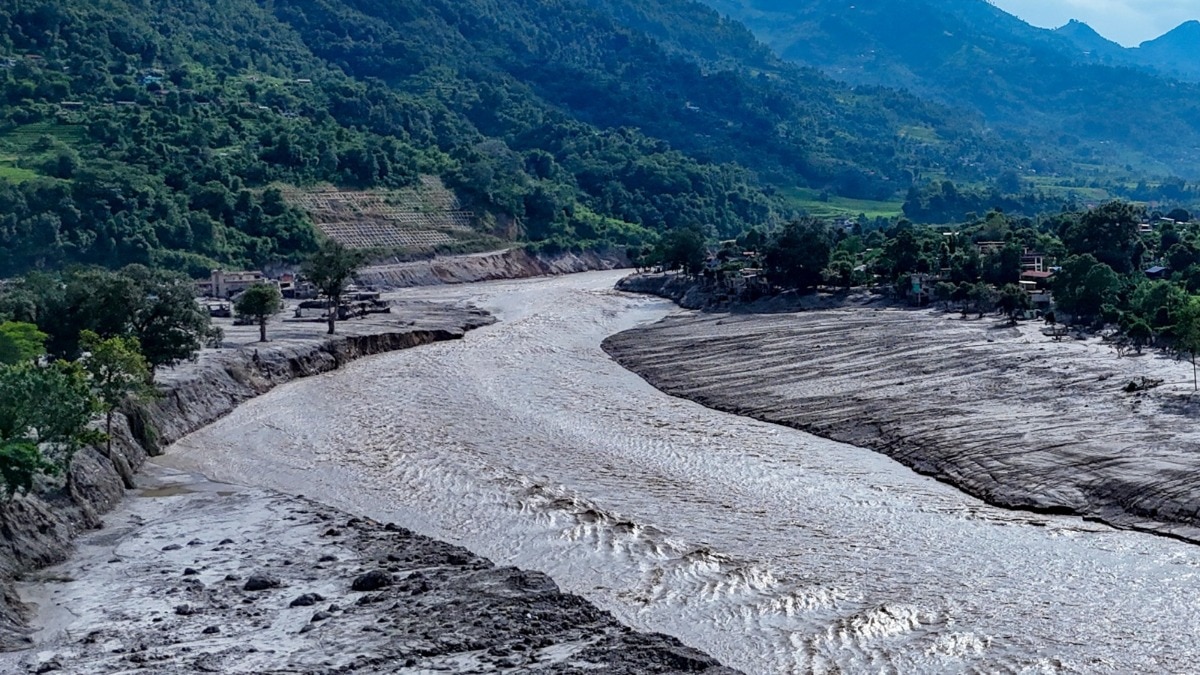
Himalayan glaciers are melting at an alarming, doubled rate, raising fears of catastrophic floods similar to the recent devastation in Nepal. Over 220 glacial lakes remain at high risk of bursting.
- The melting rate of Himalayan glaciers has surged to twice its previous speed.
- Approximately 221 glacial lakes in the region are identified as highly sensitive to bursting.
- Warnings issued five months prior to the Nepal disaster were largely ignored.
The Himalayan mountain range is facing an unprecedented environmental crisis. Recent scientific observations indicate that Himalayan glaciers are now retreating at double the previous rate. This rapid melting poses a direct threat to the water security and safety of millions living in the downstream regions of South Asia, echoing the recent catastrophic events witnessed in Nepal.
Research highlights a terrifying reality: there are roughly 221 glacial lakes in the Himalayan region that are prone to Glacial Lake Outburst Floods (GLOF). Historical records show that these lakes have burst approximately 254 times over the last 491 years. The instability of these water bodies creates a constant threat of sudden, massive floods that can wipe out entire communities in minutes.
Why This Matters
BozokMedia analysis shows that the rapid disappearance of ice is not just a local issue but a regional security threat. The melting affects the perennial flow of major river systems like the Ganges, Brahmaputra, and Indus. This leads to a dangerous cycle of extreme flash floods during the melt season and acute water scarcity during the dry seasons.
The accelerating melt of the Himalayas is a ticking time bomb for the entire South Asian subcontinent.
In regions like Uttarakhand and Nepal, 'hanging glaciers' are becoming increasingly unstable. Recent drone footage has captured the literal fracturing of ice masses, providing visual evidence of the structural decay of these ancient ice bodies. This instability significantly increases the risk of massive avalanches and landslides.
Historical Background
Historically, the Himalayas have acted as the world's water tower. However, the rise in global mean temperatures due to anthropogenic climate change has disrupted the delicate balance of the cryosphere. The warming trend in the high-altitude regions of Asia is progressing faster than the global average, leading to the current state of rapid deglaciation.
Frequently Asked Questions
1. What is a GLOF?
A Glacial Lake Outburst Flood (GLOF) occurs when the natural dam containing a glacial lake fails, releasing a massive volume of water downstream.
2. Which countries are most at risk?
India, Nepal, Bhutan, and Pakistan are among the most vulnerable due to their dependence on Himalayan river systems.