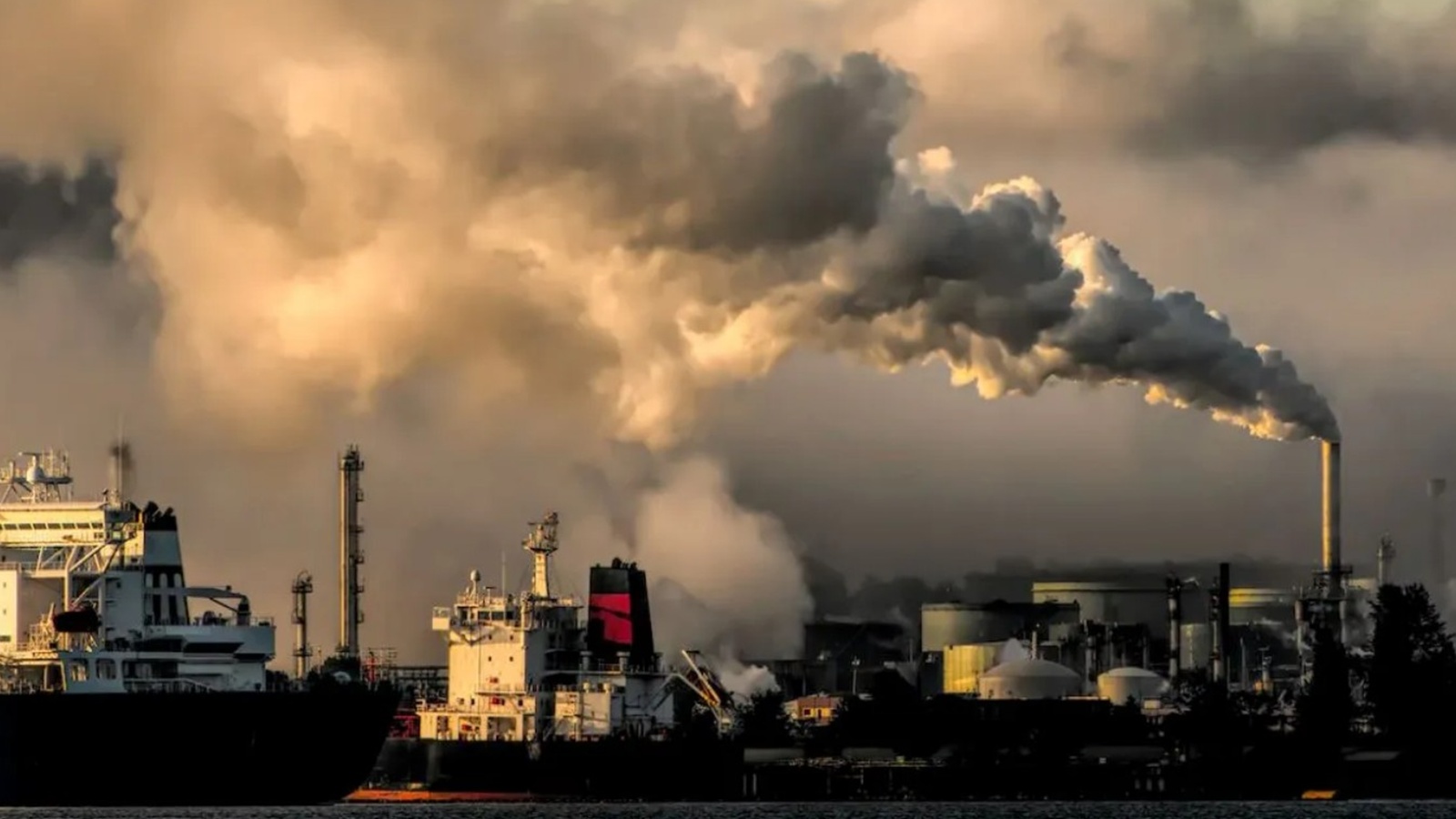
A critical UN report reveals that global temperatures are on track to exceed safe thresholds, while outlining a strategic roadmap to pull the planet back from the brink of catastrophe.
- Global temperatures are projected to breach the critical 1.5°C threshold.
- The UN report emphasizes an urgent need for systemic shifts in global energy policies.
- A strategic roadmap has been provided to navigate back to a safe climate zone.
A landmark report released by the United Nations (UN) has sounded a global alarm, stating that global warming is poised to exceed the critical safety limits established by international climate agreements. The report provides a stark assessment of our current trajectory while simultaneously mapping out a complex but necessary path to return the Earth to a manageable temperature zone.
According to the findings, the continued reliance on fossil fuels and the slow transition to green energy are driving temperatures toward a tipping point. Scientists warn that exceeding these limits could trigger feedback loops—such as the melting of permafrost—that would make warming self-sustaining and nearly impossible to reverse through human intervention alone.
Why This Matters
BozokMedia analysis shows that this climate trajectory poses an existential threat to global stability. Beyond environmental degradation, the breach of temperature limits will lead to massive disruptions in global supply chains, agricultural failures, and unprecedented waves of climate refugees, disproportionately affecting the Global South.
We are no longer talking about preventing future warming; we are fighting to mitigate a crisis that is already unfolding before our eyes.
The report does not merely offer doom and gloom; it provides a detailed scientific framework for recovery. This includes a massive scale-up of renewable energy infrastructure, the implementation of aggressive carbon pricing, and significant investments in carbon removal technologies to stabilize the atmosphere.
Historical Background
Since the adoption of the Paris Agreement in 2015, the world has made strides in renewable technology. However, the gap between current national commitments (NDCs) and the actual emissions reductions required to stay below 1.5°C remains dangerously wide. This report serves as a corrective measure to align political will with scientific reality.
Frequently Asked Questions
1. What is the danger zone mentioned in the report?
The danger zone refers to the temperature threshold beyond which climate feedback loops become uncontrollable.
2. Can the roadmap provided by the UN actually work?
Yes, if implemented with immediate, large-scale political and economic cooperation globally.