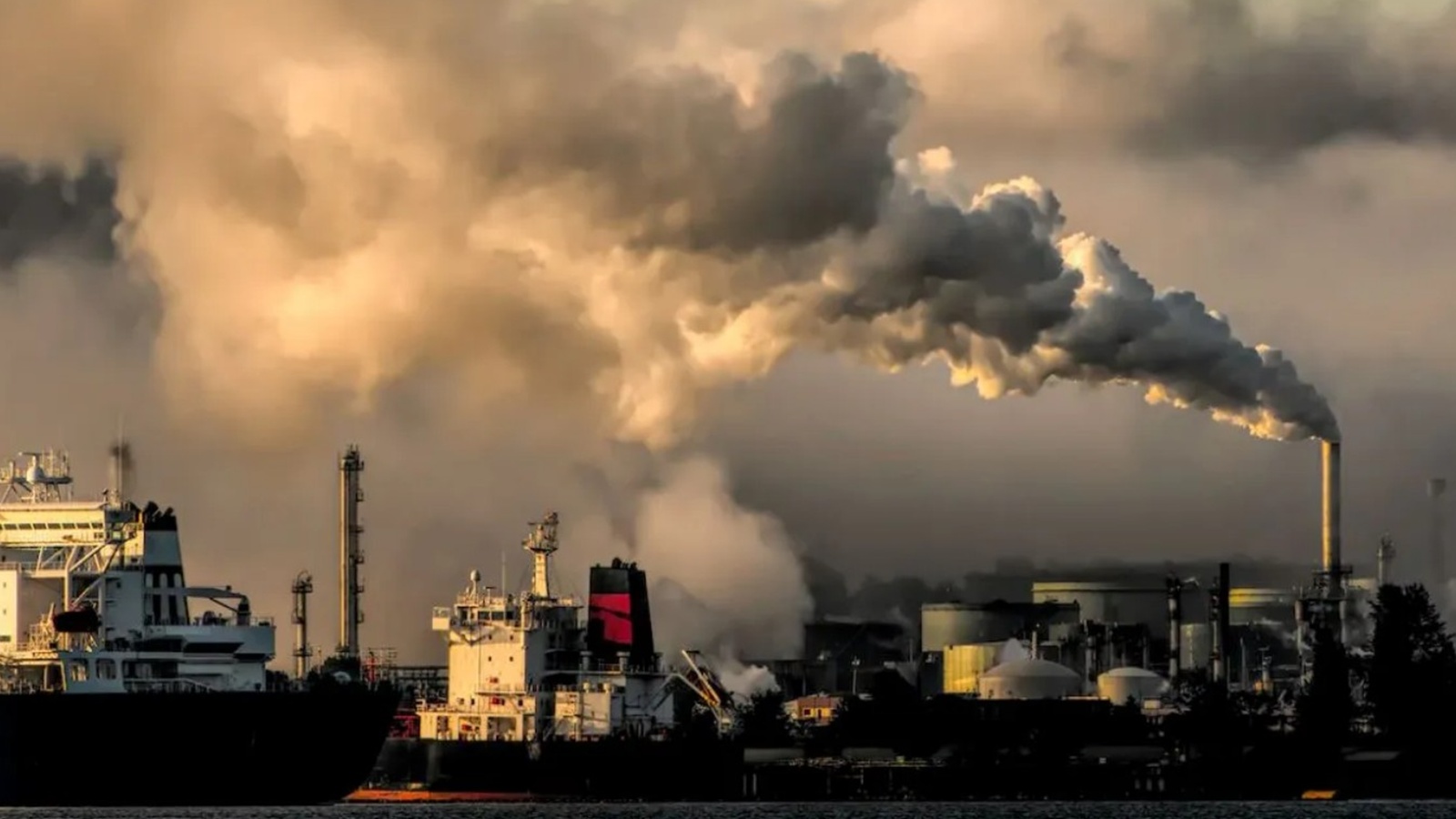
A landmark UN report warns that the world has lost the pathway to keeping global warming within the 1.5°C limit. We are now entering an era of consistent temperature overshoots.
- The 1.5°C warming threshold is now scientifically impossible to maintain.
- Temperatures are expected to overshoot to at least 1.8°C, with many pathways exceeding 2°C.
- Carbon Dioxide Removal (CDR) technologies will be critical but are currently insufficient.
A devastating new report from the United Nations Environment Programme (UNEP) has confirmed what scientists have long feared: there is no longer a plausible scientific pathway to limit global warming to the 1.5°C threshold established by the Paris Agreement. This marks a historic shift in authoritative climate reporting, moving from 'warning of a risk' to 'acknowledging an inevitability.'
The Era of Temperature Overshoot
The report shifts the global conversation from prevention to mitigation of an 'overshoot.' Even under the most optimistic scenarios, the report projects that global temperatures will likely climb to at least 1.8°C above pre-industrial levels before any potential decline. Most other analytical pathways suggest a peak that exceeds the critical 2°C mark.
Why This Matters
BozokMedia analysis shows that this breach signifies a fundamental shift in the global climate regime. Crossing the 1.5°C threshold is not an arbitrary line; it is a tipping point where extreme weather events—such as catastrophic flooding, prolonged droughts, and lethal heatwaves—become significantly more frequent and severe, threatening global food security and human habitation.
"Delayed ambition is no longer just a failure of policy — it is an active contributor to ecological destabilization," noted Ajay Mathur, former climate negotiator for India.
The report highlights that the 1.5°C annual average threshold has already been flirted with, notably in 2024, which stood as the warmest year on record. While individual years can be influenced by phenomena like El Niño, the UNEP warns that we are entering a consistent era where annual averages will stay stubbornly above the limit.
Historical Background
The 2015 Paris Agreement was designed as a global framework to prevent catastrophic warming by aiming to keep the rise well below 2°C and striving for 1.5°C. For years, the IPCC provided a narrow window of opportunity to achieve this, but the UNEP report suggests that window has effectively slammed shut due to insufficient emission reductions.
| Scenario Type | Projected Warming | Likelihood |
|---|---|---|
| Optimistic/Best Case | 1.8°C | Low |
| Most Probable Pathway | >2.0°C | High |
Frequently Asked Questions
1. What does 'overshoot' mean in climate science?
Overshoot refers to a situation where global temperatures temporarily exceed a target limit (like 1.5°C) before potentially being brought back down through massive carbon removal.
2. Can Carbon Dioxide Removal (CDR) technologies save us?
CDR is necessary to help lower temperatures in the future, but the report emphasizes it must be used alongside, not instead of, drastic emission cuts.
