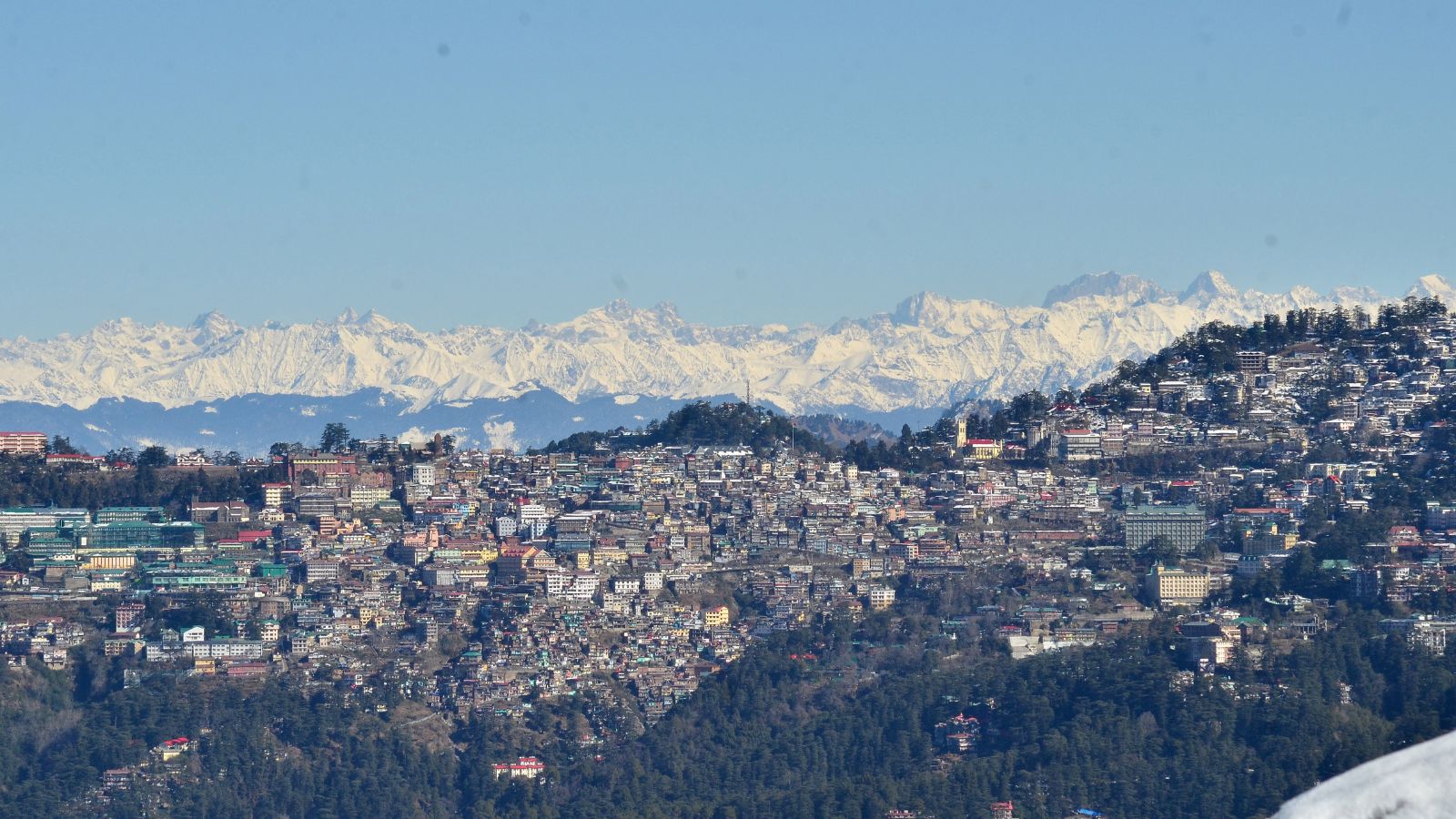
India's Ministry of Home Affairs has instructed Uttarakhand, Himachal Pradesh, Sikkim, Arunachal Pradesh and Jammu & Kashmir to shift from reactive to preventive disaster planning for glacial lake outburst floods (GLOFs) and snow avalanches. The meeting focused on early warning systems, lake monitoring, evacuation protocols and community‑level readiness.
- GLOF and avalanche risks are rising across the Himalayas.
- Early‑warning and local evacuation plans are now mandatory.
- States must maintain continuous monitoring and community preparedness.
Key Discussion Points
Union Home Secretary Govind Mohan chaired a high‑level meeting in New Delhi, reviewing the preparedness of the five Himalayan states and Union Territories. Senior officials from the National Disaster Management Authority (NDMA), Central Water Commission, India Meteorological Department and Defence Geoinformatics Research Establishment were present.
Each state presented its risk‑mapping, identification of high‑vulnerability zones, and the status of existing early‑warning mechanisms. Emphasis was placed on real‑time monitoring of glacier‑fed lakes, flow‑path mapping, rapid alert dissemination, and district‑level evacuation drills.
Historical Background
In the past two decades, the Himalayas have witnessed several deadly GLOF events, notably the 2020 Rohtang GLOF in Uttarakhand that claimed over 30 lives, and the 2022 Lhakhang avalanche in Sikkim that devastated remote villages. These incidents highlighted the inadequacy of response‑only strategies.
Why This Matters
BozokMedia analysis shows that unchecked glacial melt, accelerated by climate change, could double the frequency of GLOFs in the next decade, threatening millions across the sub‑continent. Proactive mitigation not only saves lives but also protects critical infrastructure such as hydro‑electric projects and trans‑Himalayan highways.
"Continuous monitoring and grassroots awareness are the only viable shields against Himalayan catastrophes," says climate expert Dr. Archana Singh.
The Home Ministry also urged the states to fast‑track GLOF mitigation projects sanctioned in 2024, including flood‑control dams, automated water‑level sensors and drone‑based surveys.
Frequently Asked Questions
Q1: What exactly is a GLOF and why is it dangerous?
A: A Glacial Lake Outburst Flood occurs when a moraine‑dammed lake suddenly releases its water, unleashing a torrent that can wipe out downstream valleys, infrastructure, and lives.
Q2: How can ordinary citizens prepare?
A: Stay tuned to local warning sirens, familiarize yourself with evacuation routes, and use disaster‑management apps for real‑time alerts.

