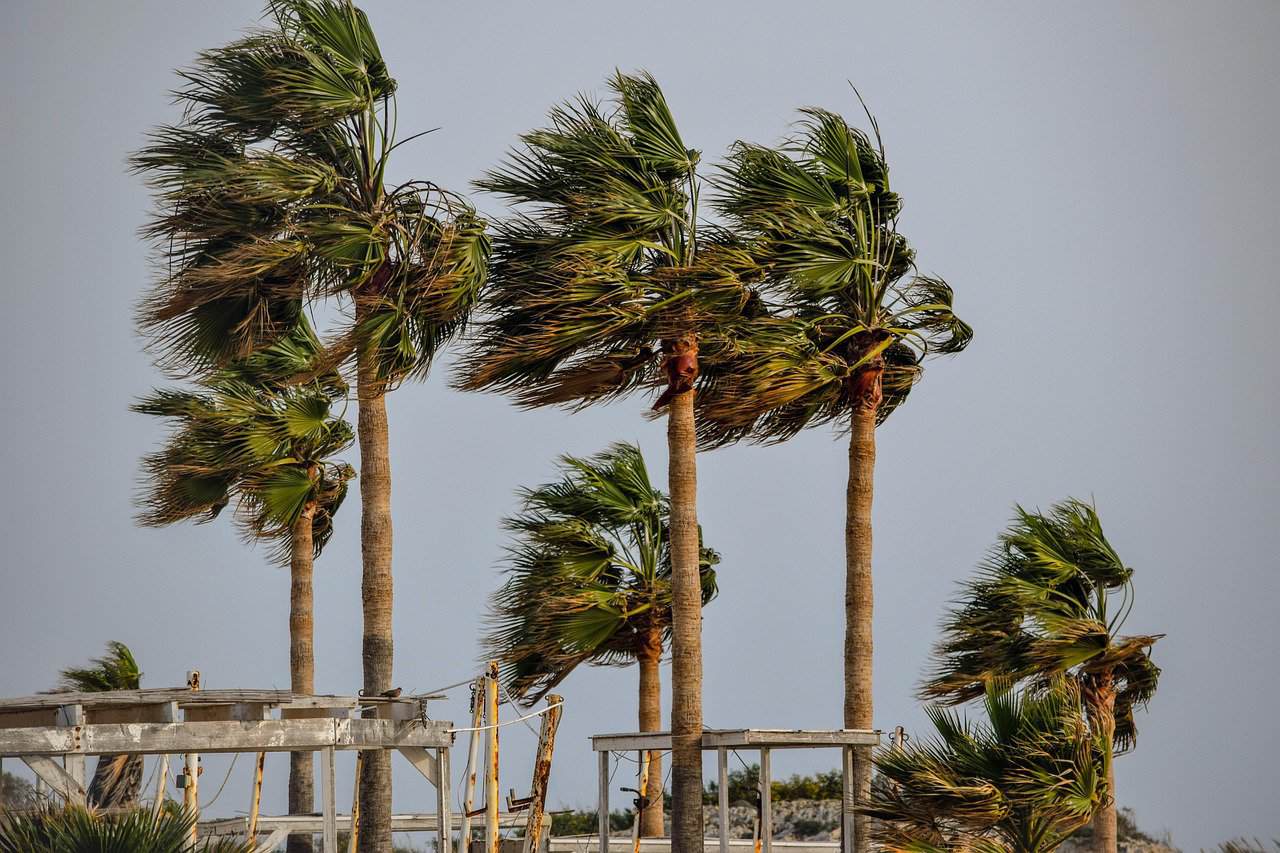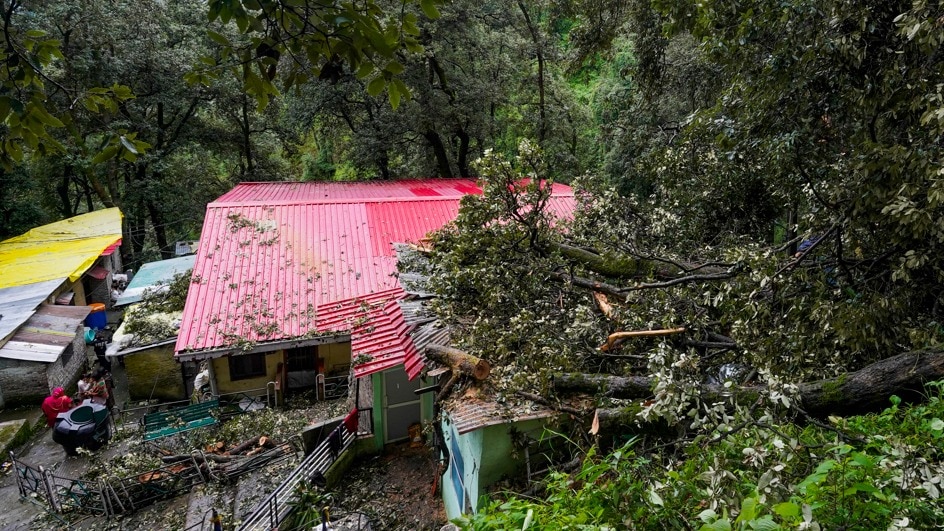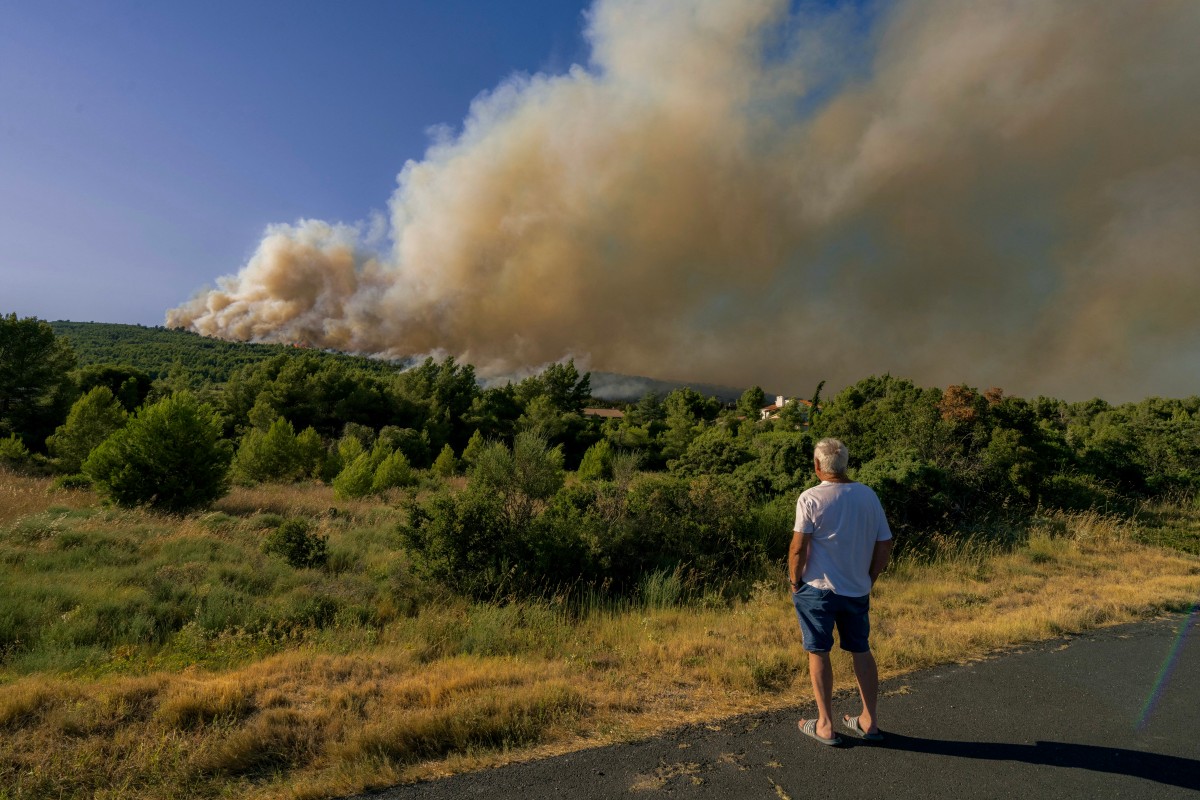
Massive wildfires are ravaging the Fontainebleau forest, Southern France, and Corsica. The scale of destruction in 2026 has already eclipsed the total damage seen in 2025.
France is currently battling a catastrophic wildfire season that is threatening to redefine the country's ecological landscape. From the iconic Fontainebleau forest near Paris to the sun-drenched regions of Southern France and the island of Corsica, the flames are spreading with unprecedented ferocity. The devastated area currently stands at approximately four times the size of Paris, signaling a crisis of massive proportions.
The statistical trajectory of this year is alarming. Data indicates that the total area burned in 2026 has already significantly exceeded the cumulative total for the entire year of 2025. This surge puts the all-time annual record set in 2022—where a staggering 66,300 hectares were incinerated—under immediate threat of being broken.
Why This Matters (इसके मायने क्या हैं)
BozokMedia analysis shows that these intensifying wildfire seasons are a direct consequence of the shifting global climate patterns, characterized by prolonged droughts and extreme heatwaves. For ordinary citizens, this means increased health risks due to smoke inhalation, loss of property, and the disruption of local ecosystems that provide essential services.
From an economic perspective, the recurrent destruction of forests poses a significant threat to the timber industry, tourism, and the insurance sector. As these fires become more frequent and intense, governments will face mounting pressure to redirect massive portions of national budgets toward emergency response and long-term climate adaptation strategies.
The acceleration of wildfire spread is a grim indicator that our forests are reaching a critical tipping point due to unprecedented thermal stress.
Historical Background
France has long struggled with seasonal forest fires, but the scale has shifted dramatically in the 21st century. The year 2022 remains a benchmark for disaster in French environmental history, having seen 66,300 hectares destroyed in a single year. This historical context is vital to understanding that while wildfires are not new, the frequency and the sheer volume of land lost each year are escalating at an exponential rate, driven by anthropogenic climate change.
| Metric | Year 2022 (Record) | Year 2025 (Total) | Year 2026 (Current) |
|---|---|---|---|
| Area Burned (Hectares) | 66,300 | Lower than 2026 | Exceeds 2025 Total |
| Primary Impact Zones | Nationwide | Regional | Paris outskirts & Corsica |
Frequently Asked Questions (अक्सर पूछे जाने वाले प्रश्न)
Question 1: Is the 2026 season expected to break the 2022 record?
Answer: Based on current burn rates and the rapid expansion of fire zones, there is a high probability that 2026 will become the deadliest year on record.
Question 2: What is driving these intense wildfires?
Answer: The primary drivers are extreme heatwaves, lack of rainfall (drought), and the overall impact of global warming on forest moisture levels.