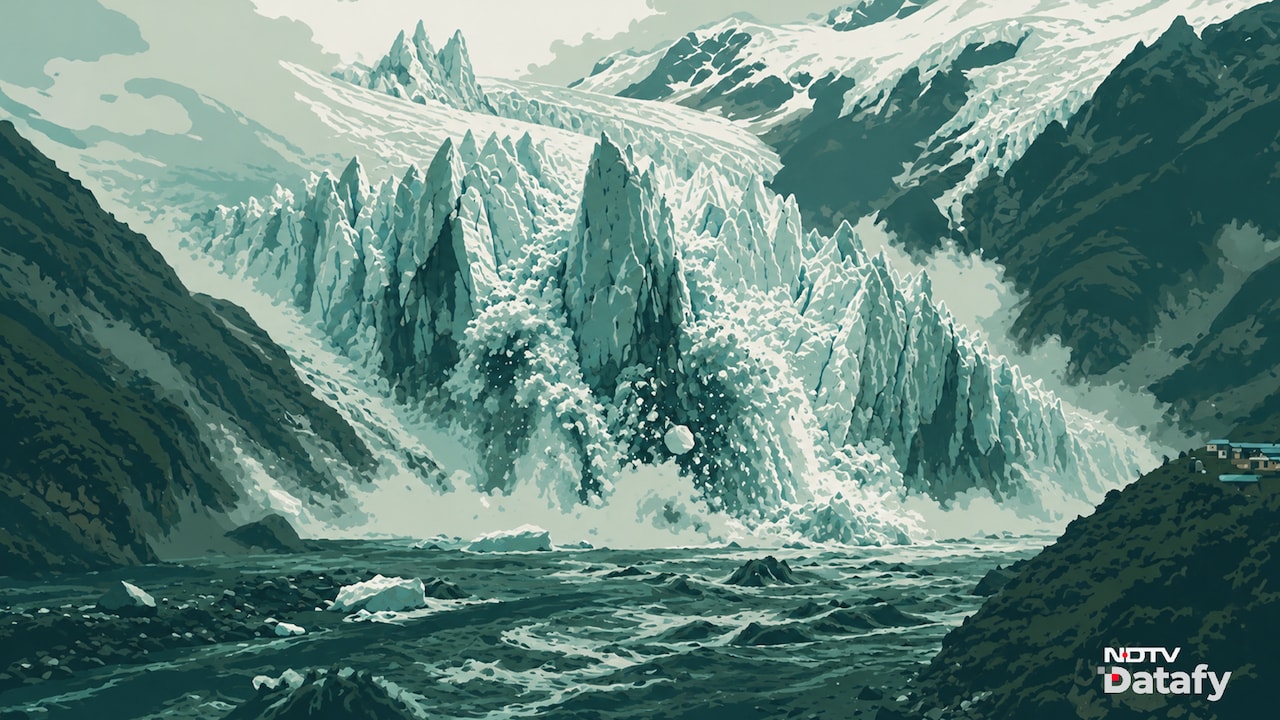
Following devastating flash floods in the Bhote Koshi River that claimed over 1,000 lives, Nepal has intensified its call for climate justice from major global emitters.
- Over 1,000 lives were lost in the catastrophic Bhote Koshi River flash floods.
- Glacier numbers in the Hindu Kush Himalaya region dropped by 2% between 1990 and 2020.
- Nepal is demanding 'Climate Justice' from high-emitting industrial nations.
The devastating flash floods in the Bhote Koshi River have left a trail of destruction across Nepal, claiming more than a thousand lives and forcing the nation to take a stand on the global stage. This tragedy is not merely a natural disaster but a direct consequence of the shifting global climate patterns.
Nepal, a nation with a negligible carbon footprint, finds itself on the front lines of a crisis it did not create. Consequently, the government has issued a formal call for Climate Justice, demanding that major greenhouse gas-emitting nations take accountability for the ecological devastation occurring in the Himalayas.
The Melting Giants: A Statistical Reality
The scale of the crisis is reflected in the alarming rate of glacial retreat. Scientific studies indicate that between 1990 and 2020, the number of glaciers in the Hindu Kush Himalaya (HKH) region fell by two percent. This loss represents a significant reduction in the earth's natural freshwater reservoirs.
The melting of the Himalayas is not just a regional environmental issue; it is a global security threat.
Why This Matters
BozokMedia analysis shows that the stability of the Himalayan ecosystem is intrinsically linked to the survival of billions. As these glaciers vanish, the perennial rivers that sustain South Asia—including the Ganges and the Brahmaputra—face unpredictable flow patterns, threatening both agriculture and human settlement.
Historically, the Himalayas have acted as a stabilizer for the regional climate. However, the rapid warming of this high-altitude zone is disrupting ancient weather patterns, leading to more frequent and intense extreme weather events like the Bhote Koshi floods.
Frequently Asked Questions
1. What is the significance of the 2% glacier loss?
It signifies a rapid acceleration in warming, which reduces long-term water availability for downstream populations.
2. Why is Nepal calling for 'Climate Justice'?
Because the nations most responsible for global warming are not the ones suffering the most immediate and lethal consequences.