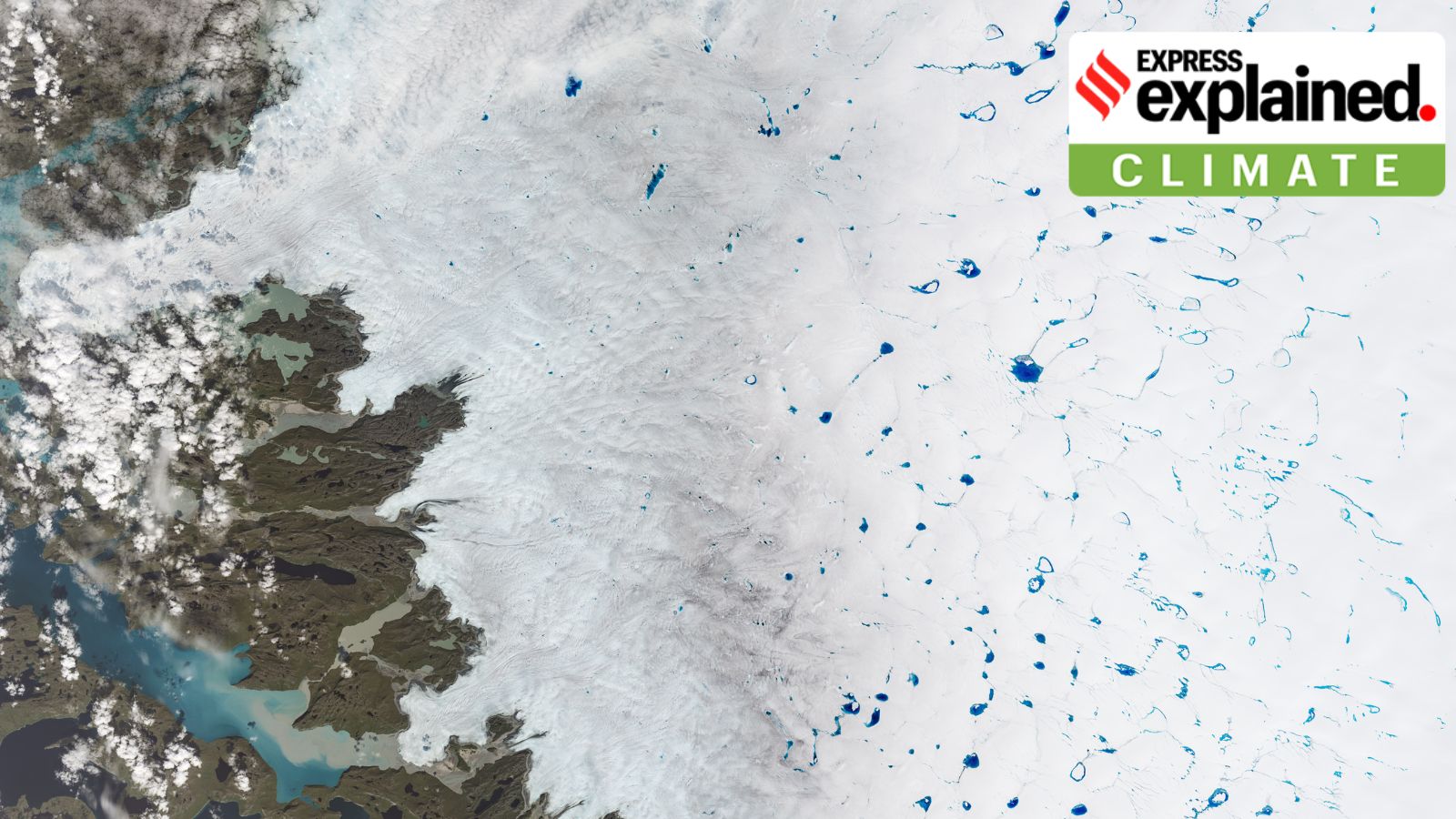
The El Niño phenomenon is undergoing a dangerous transformation, supercharged by anthropogenic climate change. The UN warns of a 'supersized' event that could trigger extreme weather worldwide.
- Climate change is significantly amplifying the intensity of El Niño cycles.
- The United Nations has issued a warning regarding 'supersized' El Niño impacts.
- Global implications include extreme heat, droughts, and unpredictable monsoon patterns.
Recent scientific data and global meteorological observations confirm that the El Niño phenomenon is no longer behaving within its historical norms. Driven by the accelerating pace of climate change, this natural oscillation is being 'supercharged,' leading to what experts describe as a 'supersized' El Niño. This shift is causing unprecedented disruptions to global weather patterns.
The United Nations (UN) has sounded the alarm, warning that the intensification of these cycles poses a catastrophic risk to global stability. As ocean temperatures rise due to greenhouse gas emissions, the energy available to fuel El Niño events increases, leading to more frequent and severe weather extremes. This includes devastating droughts in some regions and catastrophic flooding in others.
Why This Matters
BozokMedia analysis shows that the economic and humanitarian stakes of a supercharged El Niño are immense. Beyond the immediate weather impacts, the disruption of agricultural cycles can lead to global food insecurity and massive spikes in commodity prices. For developing nations, the cost of disaster recovery and the strain on water resources could set back decades of economic progress.
The synergy between rising ocean temperatures and El Niño oscillations is creating a new paradigm of climate volatility that our current infrastructure is ill-equipped to handle.
Meteorologists indicate that the current El Niño phase may persist until February of next year. For India, this could translate into an unusually warm winter and potential shifts in precipitation patterns. Meanwhile, parts of Southeast Asia and South America face the looming threat of severe water scarcity and heatwaves that could devastate local ecosystems.
Historically, El Niño has been a significant driver of global climate variability. However, the current trend suggests that the 'baseline' of these events is shifting. We are moving away from periodic fluctuations toward a state of heightened atmospheric instability. The integration of climate change into these natural cycles means that the recovery periods between events are becoming shorter and less predictable.
Frequently Asked Questions
Question 1: How does a supercharged El Niño affect global food prices?
Answer: By causing droughts in major agricultural hubs, El Niño reduces crop yields, which subsequently drives up global food prices due to supply shortages.
Question 2: Is El Niño caused by human activity?
Answer: While El Niño is a natural phenomenon, human-induced climate change is significantly increasing its intensity and frequency.