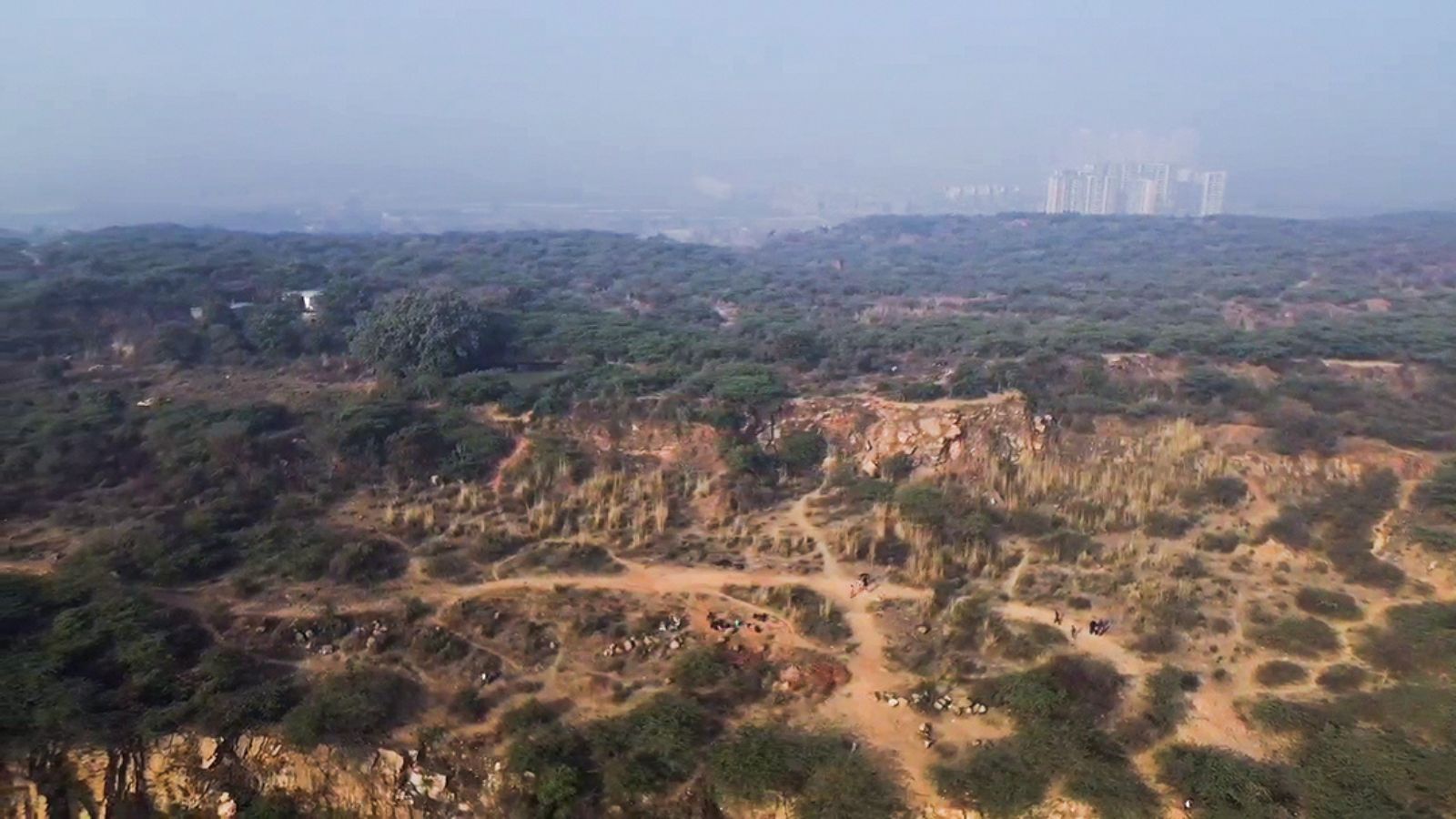
The United Nations Environment Programme (UNEP) has issued a stark warning that exceeding the 1.5°C global warming threshold is now inevitable, signaling a critical turning point for climate action.
- The 1.5°C warming threshold is now considered unavoidable by UNEP.
- Current emission trajectories suggest an imminent breach of climate safety limits.
- Immediate shifts toward radical decarbonization and adaptation are required.
In a sobering assessment, the United Nations Environment Programme (UNEP) has declared that the global community is likely to overshoot the critical 1.5°C warming limit set by the Paris Agreement. This development marks a significant shift from the goal of prevention to a reality of managing unavoidable climatic shifts.
The 'overshoot' scenario implies that while we might attempt to bring temperatures back down through future carbon removal technologies, the immediate impact of crossing this threshold will trigger irreversible changes in various ecosystems. Global warming is no longer a distant threat but an active driver of extreme weather events.
Why This Matters
BozokMedia analysis shows that this overshoot will accelerate the melting of polar ice caps, lead to more frequent and intense heatwaves, and disrupt global agricultural cycles. The socio-economic implications, particularly for developing nations, are catastrophic, potentially displacing millions due to sea-level rise and resource scarcity.
The window for effective climate mitigation is closing faster than previously anticipated, demanding unprecedented global cooperation.
Historical Background: The 1.5°C target was established during the 2015 Paris Agreement as a vital buffer to prevent the most devastating impacts of climate change. For years, international policy has focused on keeping warming well below 2°C, with 1.5°C being the gold standard for environmental stability.
As we face this reality, the focus of international diplomacy must pivot. While mitigation remains essential, there is an urgent need to invest heavily in climate adaptation and resilience to protect vulnerable populations from the inevitable changes already baked into the system.
Frequently Asked Questions
1. What happens if we exceed 1.5°C?
Exceeding this limit increases the risk of reaching 'tipping points' where natural systems like the Amazon rainforest or Arctic ice undergo permanent changes.
2. Can we still stop further warming?
Yes, aggressive reduction in greenhouse gas emissions can still prevent warming from reaching much higher, more dangerous levels like 2°C or 3°C.