A global assessment by AlphaGeo reveals that Ahmedabad, Kolkata, Bangalore, and Chennai are among the world's most climate-vulnerable cities. The report highlights the critical gap in urban adaptation to extreme heat and flooding.
- Ahmedabad shares the global rank for the least climate-resilient city.
- Kolkata, Bangalore, and Chennai are also in the top 20 high-risk list.
- South Asia dominates the list, with India and Pakistan having multiple high-risk cities.
- Extreme heat and sudden heavy rainfall are the primary drivers of risk.
As Indian metropolitan areas expand at an unprecedented rate, they are facing a silent but deadly adversary: climate change. A recent analysis by climate intelligence firm AlphaGeo has placed four major Indian cities among the world's 20 least resilient cities to climate extremes.
The report, which utilized a 'Resilience-Adjusted Risk' (RAJ) metric, highlights that Ahmedabad holds the worst global position, tied with Pakistan's Hyderabad. Following closely are Kolkata at rank 6, Bangalore at rank 12, and Chennai at rank 15. This metric specifically measures the residual risk that remains even after accounting for existing adaptation measures.
Why This Matters
BozokMedia analysis shows that the concentration of high-risk cities in South Asia—including Dhaka, Lahore, and Multan—underscores a regional crisis. For India, the challenge is twofold: rapid urbanization and increasing thermal stress. The 'Urban Heat Island' effect can make cities 3–4°C hotter than their rural surroundings, significantly increasing mortality risks during heatwaves.
The gap between rising climate hazards and urban adaptation capacity is widening, leaving millions of citizens vulnerable to predictable disasters.
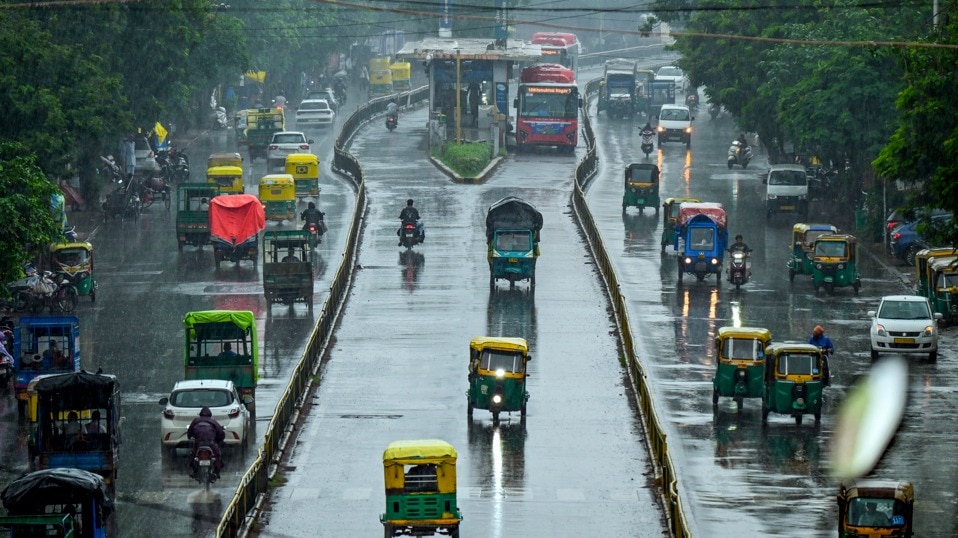
The situation is exacerbated by historical weather patterns being disrupted. According to the India Meteorological Department (IMD), 2024 was recorded as the warmest year in India since 1901. This trend, combined with inadequate drainage systems in cities like Kolkata, leads to devastating urban flooding during intense monsoon spells.
Historical Background
Historically, Indian urban planning focused on population density and economic growth, often overlooking environmental resilience. While cities like Ahmedabad have begun implementing 'Climate Resilient City Action Plans,' the sheer scale of projected population growth means much of the future infrastructure is still at risk of being built inadequately for a warming world.
| City | Global Risk Rank | Primary Threat |
|---|---|---|
| Ahmedabad | 1 (Worst) | Extreme Heat |
| Kolkata | 6 | Flooding/Waterlogging |
| Bangalore | 12 | Temperature Surge |
| Chennai | 15 | Climate Instability |
Frequently Asked Questions
1. What does the RAJ score represent?
The Resilience-Adjusted Risk score represents the climate risk that remains after a city's adaptation measures are factored in.
2. Why are South Asian cities at higher risk?
Due to a combination of extreme heat exposure, monsoon volatility, and dense, unplanned urban growth.