A historical analysis reveals how 19th-century British timber exploitation and forest laws stripped local communities of their rights and reshaped the Himalayan ecology. From railway expansion to colonial legislation, the impact remains visible today.
- The expansion of the Indian railway network in the 19th century drove a massive demand for Himalayan timber.
- Frederick Wilson's commercial success paved the way for large-scale colonial exploitation.
- The Forest Acts of 1865 and 1878 effectively criminalized traditional forest use by local communities.
- Infrastructure development, specifically roads, facilitated deeper forest destruction.
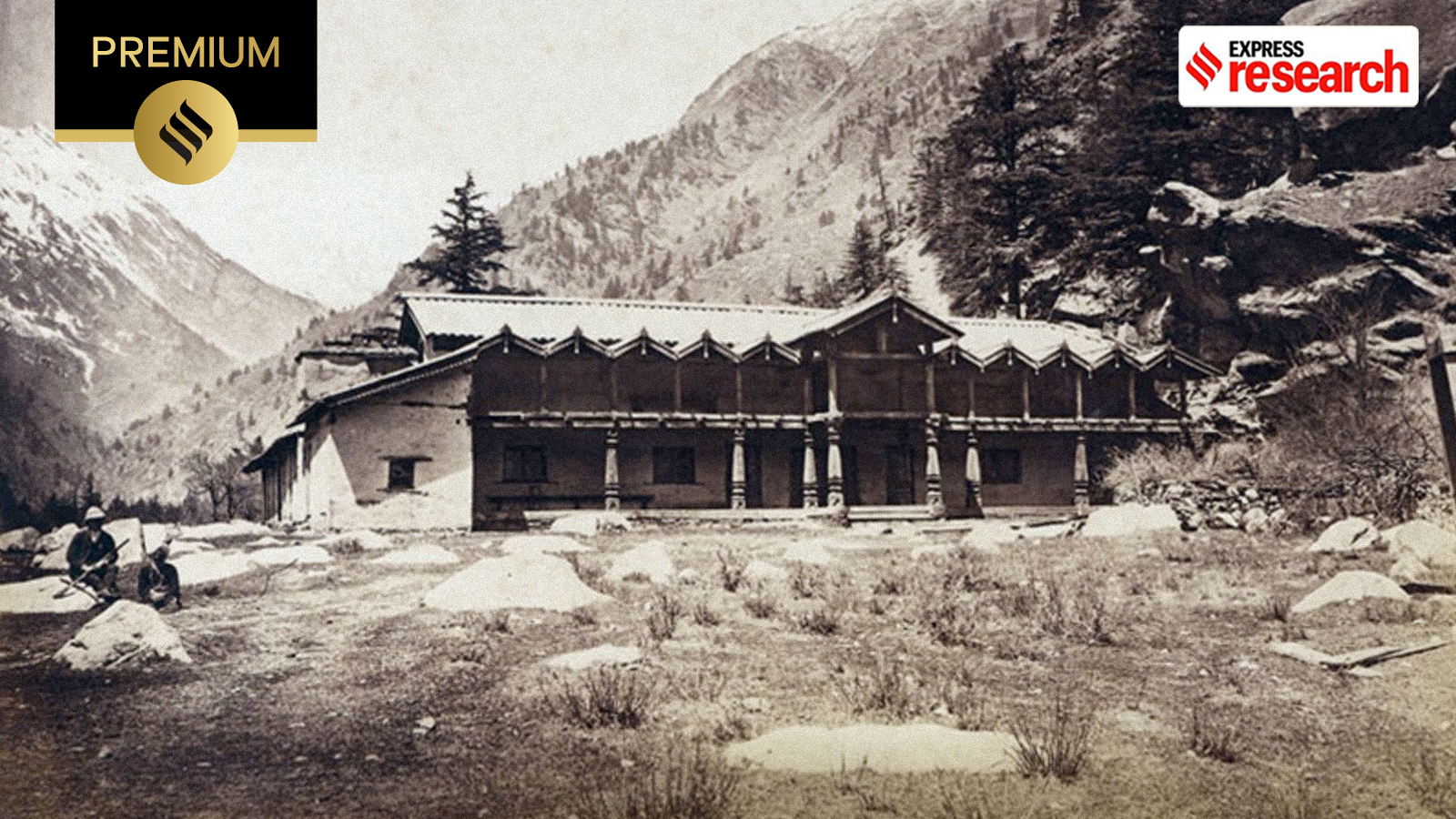
In the mid-19th century, the serene landscapes of the Himalayas underwent a violent transformation. What began as a series of commercial leases soon evolved into a systematic colonial extraction process. Frederick Wilson, a former soldier who settled in the Bhagirathi Valley, became a central figure in this shift. Known as 'Pahari' Wilson, his ability to turn timber and hunting into a massive fortune caught the attention of the British administration.
The British authorities saw in Wilson's enterprise a blueprint for large-scale exploitation. As the British Raj expanded its influence, the demand for timber surged, fueled primarily by the rapid development of the railway network. The massive wooden sleepers required for railway tracks demanded vast quantities of Deodar and Sal trees, leading to the organized felling of ancient forests.
Why This Matters
BozokMedia analysis shows that the colonial approach to forestry was not about conservation, but about revenue and resource management. By converting communal forests into state-controlled assets, the British fundamentally altered the socio-economic fabric of the Himalayan region, creating a legacy of ecological instability.
The introduction of the railways acted as a catalyst that transformed the Himalayan forests from sacred communal spaces into industrial commodities.
Environmental historian Dhirendra Datt Dangwal highlights that the legislative framework was key to this transformation. The Forest Acts of 1865 and 1878 were instrumental in placing vast tracts of land under state control. These laws redefined the rights of the local hill people, who had depended on these forests for centuries, reducing them to mere trespassers on their own ancestral lands.
Furthermore, the construction of roads to facilitate timber transport created a vicious cycle of destruction. While roads were necessary for moving heavy logs, they simultaneously opened up the deep interior of the mountains to further exploitation. During the 1870s, the scale of deforestation in Kumaon and Garhwal was already staggering, with thousands of trees being felled annually.
| Feature | Pre-Colonial System | British Colonial System |
|---|---|---|
| Forest Ownership | Communal/Local Rights | State-Controlled (Reserved Forests) |
| Primary Use | Subsistence & Local Needs | Commercial Export & Railways |
| Local Access | Unrestricted Traditional Use | Highly Restricted/Regulated |
Frequently Asked Questions
1. What role did the railways play in Himalayan deforestation?
Railways required millions of wooden sleepers, which were primarily sourced from the Deodar and Sal forests of the Himalayas.
2. How did the Forest Acts affect local villagers?
The Acts restricted traditional rights like grazing and wood collection, turning local practices into legal offenses.