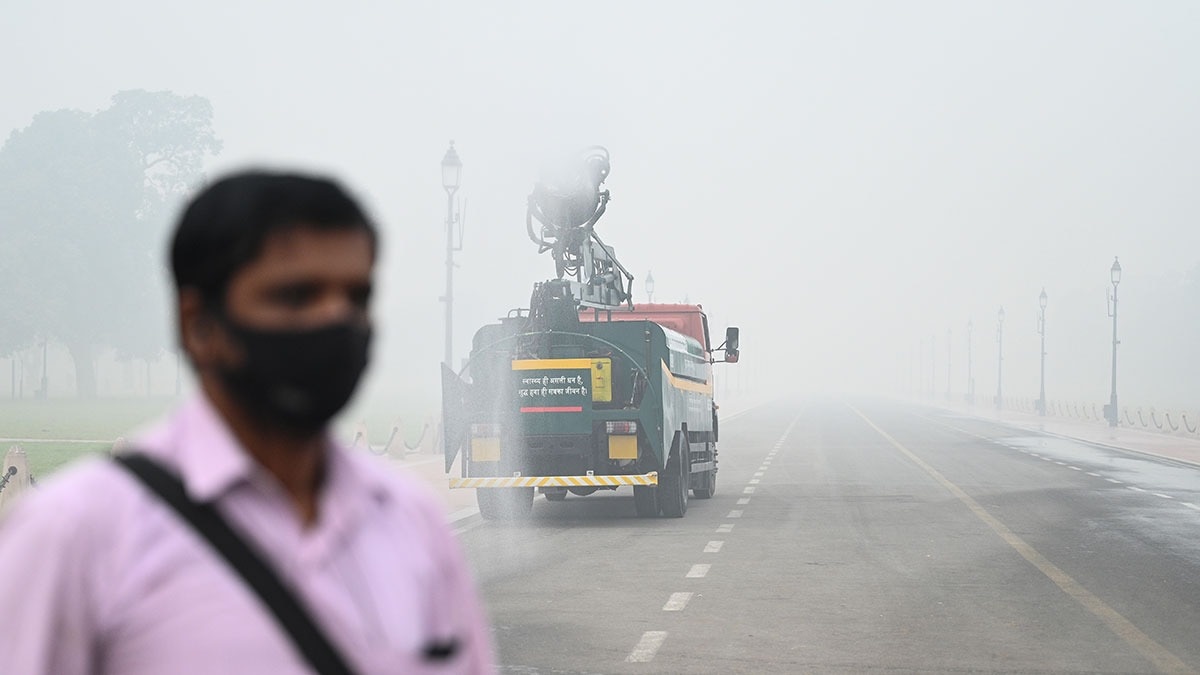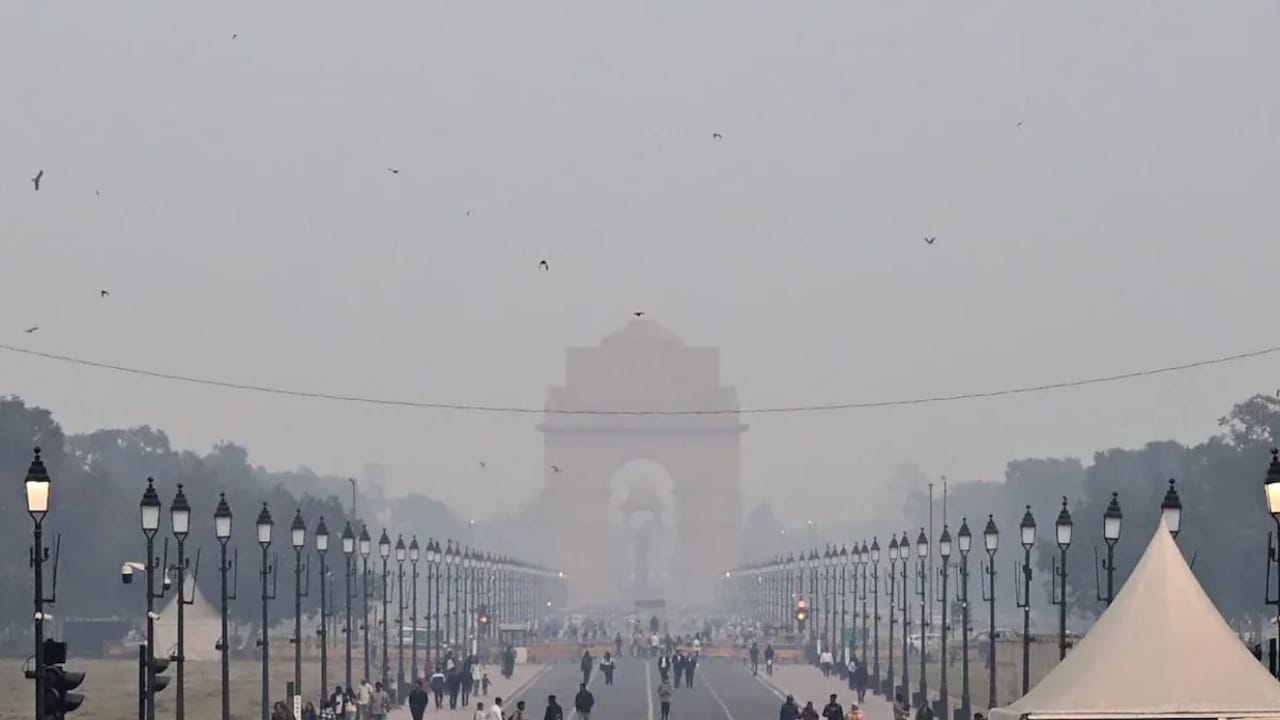
A new United Nations report suggests that Delhi could see a 20% reduction in PM2.5 exposure by 2040 if air quality standards are met. However, implementation delays could halve this benefit.
- Delhi can achieve a 20% reduction in PM2.5 exposure by 2040.
- Timely adherence to air quality standards is critical for success.
- An 8-year delay in implementation could reduce benefits to just 10%.
A recent report from the United Nations (UN) has provided a strategic roadmap for tackling the chronic air pollution crisis in Delhi. The findings suggest that through the rigorous implementation of clean air measures, the city could potentially reduce PM2.5 exposure by 20% by the year 2040. This projected improvement offers a vital window for public health recovery in the National Capital Region.
However, the report issues a stern warning regarding the timeline of these interventions. The success of these measures is inextricably linked to how quickly standards are met. According to the analysis, if there is a delay of approximately eight years—aligning with the expected average global implementation delay—the projected reduction in pollution would plummet to a mere 10%. Such a delay would result in significantly greater health impacts and mortality rates over the coming decades.
Why This Matters
BozokMedia analysis shows that the window for effective intervention in Delhi is rapidly closing. Air pollution in the capital is not merely an environmental concern but a systemic socio-economic challenge. A reduction in PM2.5 levels is directly correlated with decreased hospitalizations for respiratory and cardiovascular ailments, which in turn reduces the economic burden on both families and the state healthcare infrastructure.
The difference between a 20% and a 10% reduction is not just a statistic; it represents millions of lives protected from toxic exposure.
Historically, Delhi has struggled with seasonal smog and rising baseline pollution levels. While various emergency measures like the Graded Response Action Plan (GRAP) have been utilized, the UN report emphasizes that long-term, structural compliance with international air quality standards is the only sustainable path forward.
Frequently Asked Questions
1. What is the significance of the 8-year delay mentioned?
An 8-year delay in implementing air quality standards could reduce the potential pollution reduction from 20% to only 10%.
2. How does PM2.5 affect human health?
PM2.5 particles are small enough to enter the lungs and bloodstream, causing severe respiratory and heart diseases.