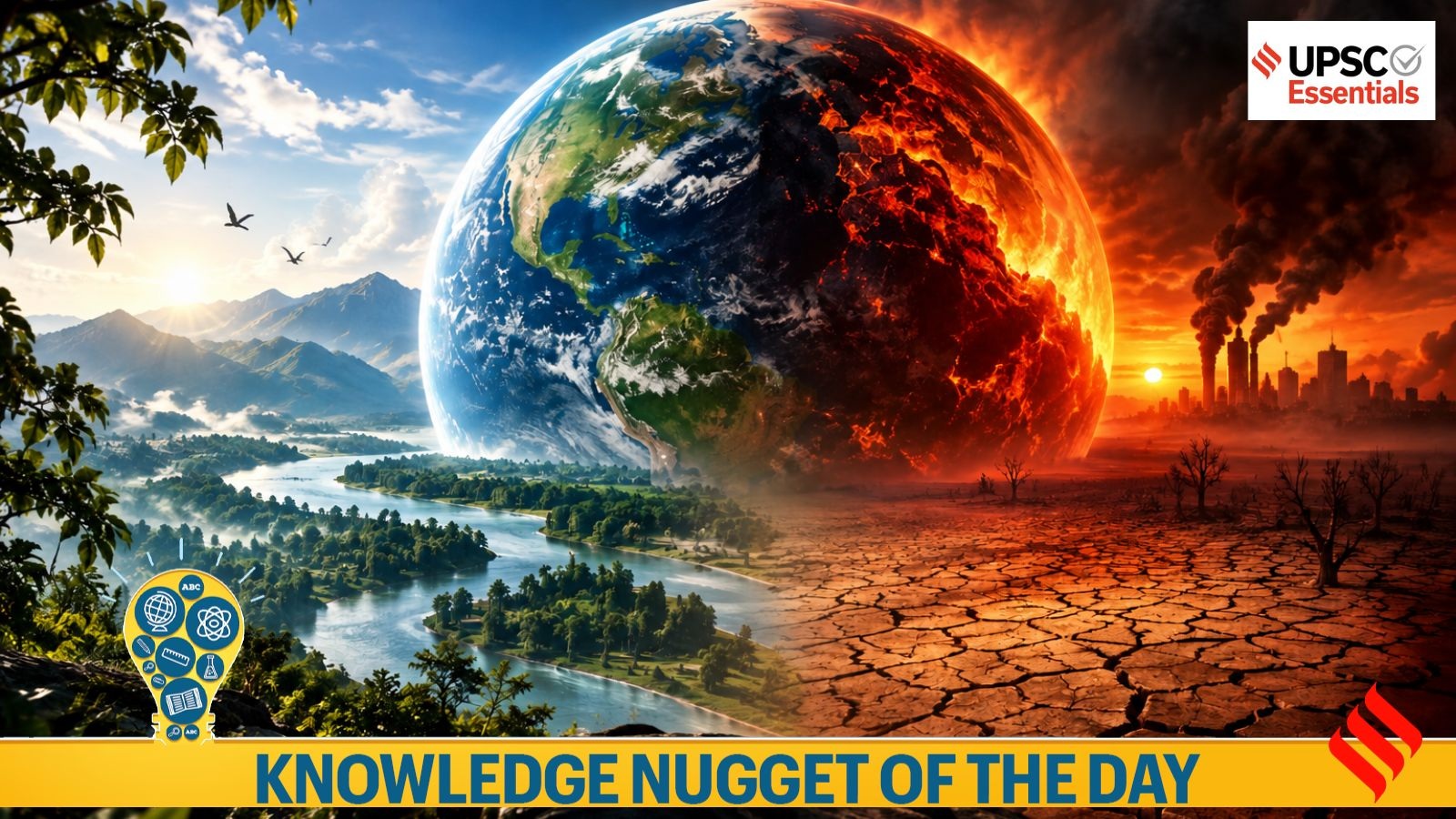
A groundbreaking UNEP report acknowledges for the first time that breaching the 1.5°C warming limit is inevitable. The focus now shifts to minimizing the 'overshoot' to prevent total ecological collapse.
- Crossing the 1.5°C temperature threshold is now officially deemed "unavoidable" by the UN.
- Best-case scenarios predict a peak of 1.8°C, while most pathways suggest exceeding 2°C.
- Irreversible risks include Amazon dieback, permafrost thaw, and ice-sheet collapse.
The United Nations Environment Programme (UNEP) has released a sobering report titled 'Limiting Overshoot', which formally acknowledges a reality that has been evident to scientists for years: the world can no longer contain the global rise in temperatures within 1.5 degrees Celsius relative to pre-industrial levels. This marks a significant departure from previous IPCC reports that maintained a narrow, albeit shrinking, window of possibility.
The Significance of the 1.5°C Target
The 1.5°C limit was established not as a magic number, but as a critical 'defense line.' Under the 2015 Paris Agreement, 193 nations committed to this goal because the risks of extreme heat, drought, and water stress are substantially lower at 1.5°C than at 2°C. Yale economist William Nordhaus previously argued that exceeding 2°C could push living conditions outside the range experienced by human civilization.
BozokMedia analysis shows that the narrative has shifted from 'prevention' to 'mitigation of overshoot.' The critical challenge now is whether humanity can implement aggressive carbon removal technologies and emissions cuts to bring temperatures back down after the peak. The further we overshoot, the more expensive and technologically daunting the recovery process becomes, increasing our reliance on unproven large-scale carbon dioxide removal (CDR) systems.
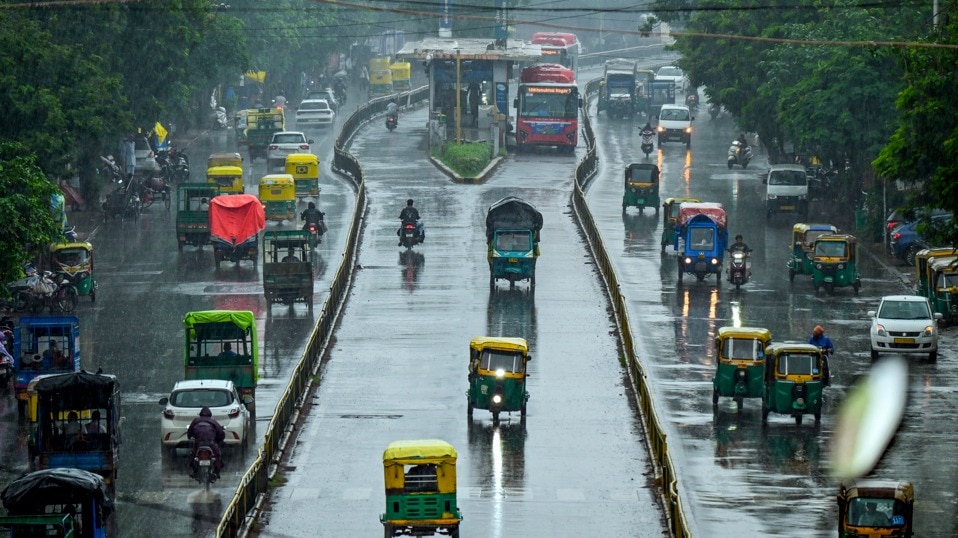
"The recent disasters in Nepal and the unprecedented heatwaves in India are grim reminders that we are already living through the consequences of a warming planet."
The report highlights catastrophic tipping points. A breach of the threshold increases the likelihood of Amazon dieback, the collapse of the Greenland and West Antarctic ice sheets, and the disruption of the Atlantic Meridional Overturning Circulation (AMOC), which regulates global climate patterns. These events could trigger a feedback loop, accelerating warming beyond human control.
| Threshold | Ecological Impact | Risk Level |
|---|---|---|
| 1.5°C | Severe but manageable risks | Moderate |
| 2.0°C | Irreversible ecosystem collapse | High/Catastrophic |
Q1: Does breaching 1.5°C mean an immediate climate apocalypse?
No, it is not a binary switch. However, it removes the safety buffer and significantly increases the frequency and intensity of extreme weather events.
Q2: What is 'Limiting Overshoot'?
It refers to the strategy of allowing temperatures to temporarily exceed the 1.5°C limit and then aggressively reducing them back to that level through net-negative emissions.