A new UNEP report reveals that Delhi can slash its PM2.5 exposure by 20% by 2040 if national air quality standards are implemented starting from 2026. Delays could halve these gains and trigger massive economic losses.
- Delhi can achieve a 20% reduction in PM2.5 exposure by 2040 if air standards are met from 2026.
- An 8-year delay in implementation would reduce the benefits to only 10%.
- 25 integrated solutions have been identified to tackle both climate change and air pollution.
- Economic benefits of these actions could reach 11.4% of global GDP by 2100.
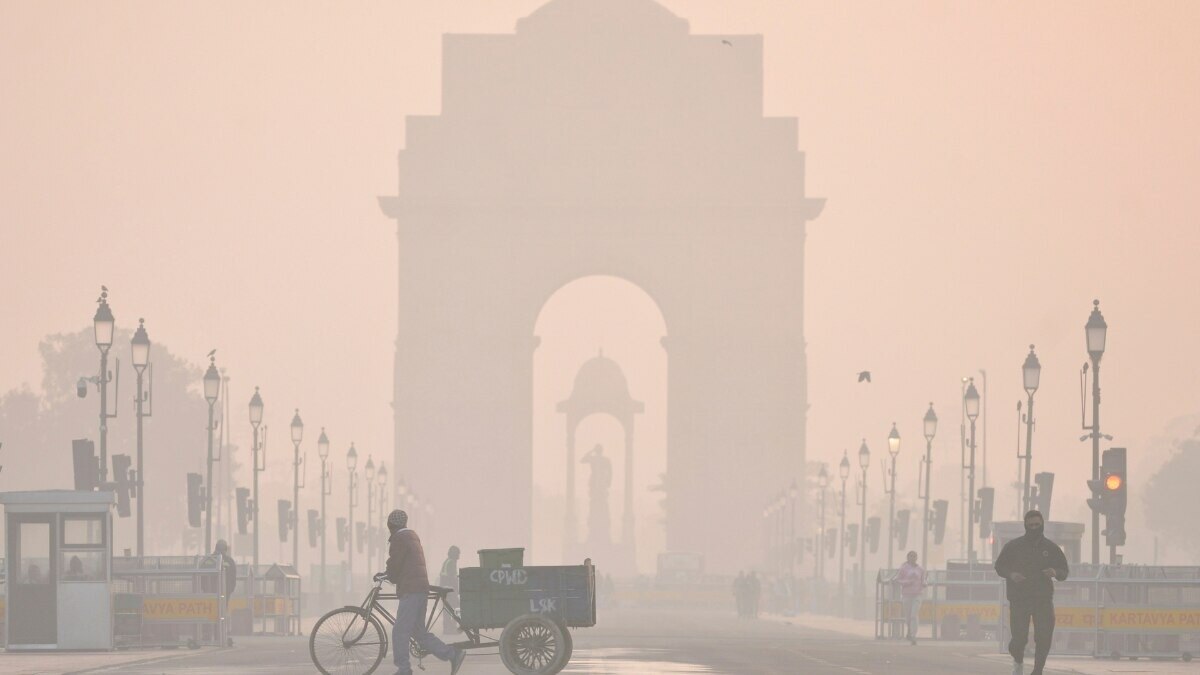
New Delhi: A landmark report by the United Nations Environment Programme (UNEP) and the Climate and Clean Air Coalition has provided a roadmap for Delhi to combat its chronic air pollution crisis. According to the findings, the city could see a significant 20 percent reduction in PM2.5 exposure burden by the year 2040, provided that current national air quality standards are met on schedule beginning in 2026.
The report, titled 'Hidden Assets: The Economic and Health Case for Climate and Clean Air Action', serves as the first comprehensive global economic assessment of integrated climate and clean-air initiatives. However, the document issues a stark warning: if implementation is delayed by the global average of approximately eight years, the reduction in pollution would drop to a mere 10 percent, leading to much higher health and economic costs.
Why This Matters
BozokMedia analysis shows that the intersection of climate change and public health is where the most significant economic opportunities lie. The report identifies 25 specific solutions that address both issues simultaneously. These include transitioning to renewable power, improving energy efficiency, promoting clean cooking solutions, and enforcing stricter vehicle emission standards.
The cost of inaction is not just measured in breath, but in trillions of dollars of lost global economic potential.
From a macro-economic perspective, the benefits are staggering. The annual economic gains from implementing these measures are projected to equal 2.8 percent of global GDP in 2035, rising to 4.5 percent in 2050, and potentially reaching 11.4 percent by 2100. Conversely, every single year of delay results in a loss of more than 0.5 percent of global GDP, equivalent to over USD 1.5 trillion in combined market and non-market value.
Historical Background
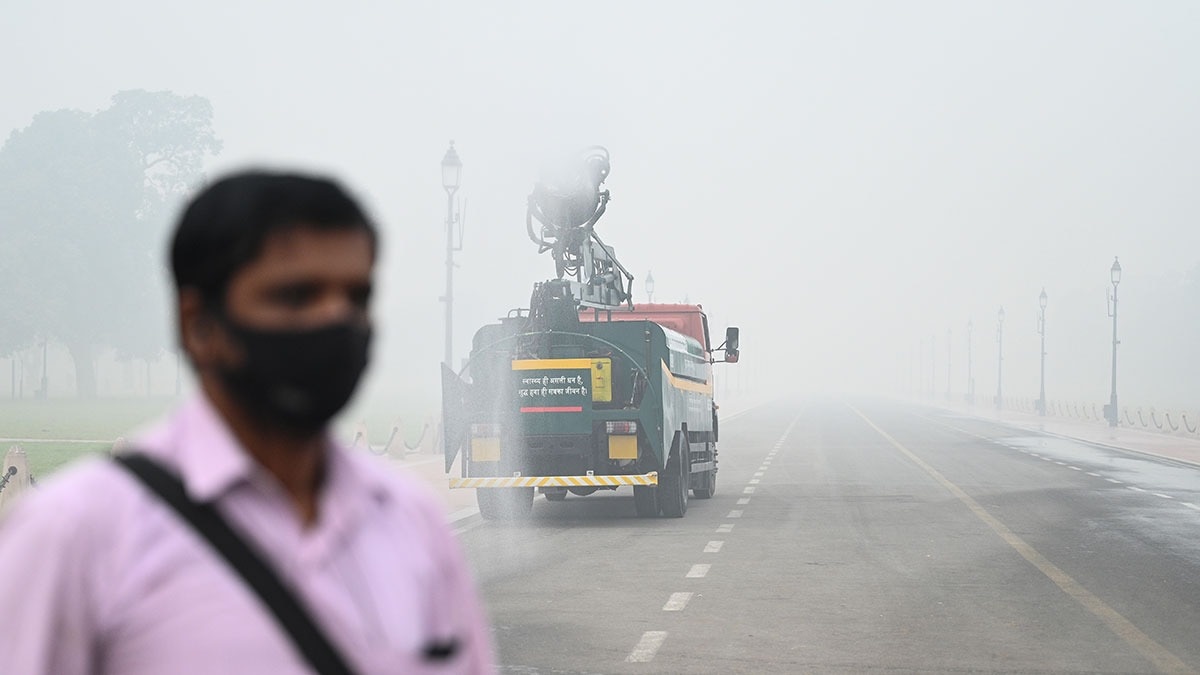
Delhi has long been a global hotspot for poor air quality, particularly during the winter months when stubble burning, vehicular emissions, and stagnant weather patterns converge. While various local measures like the Graded Response Action Plan (GRAP) have been implemented, the UNEP report suggests that a more systemic, time-bound adherence to national standards is the only way to ensure long-term relief.
Frequently Asked Questions
1. What is the primary cause of delay in air quality improvements?
The report identifies institutional barriers as the main cause of delays in implementing clean air policies.
2. How does air pollution affect the economy?
Air pollution leads to massive healthcare costs, loss of labor productivity, and a significant reduction in global GDP potential.