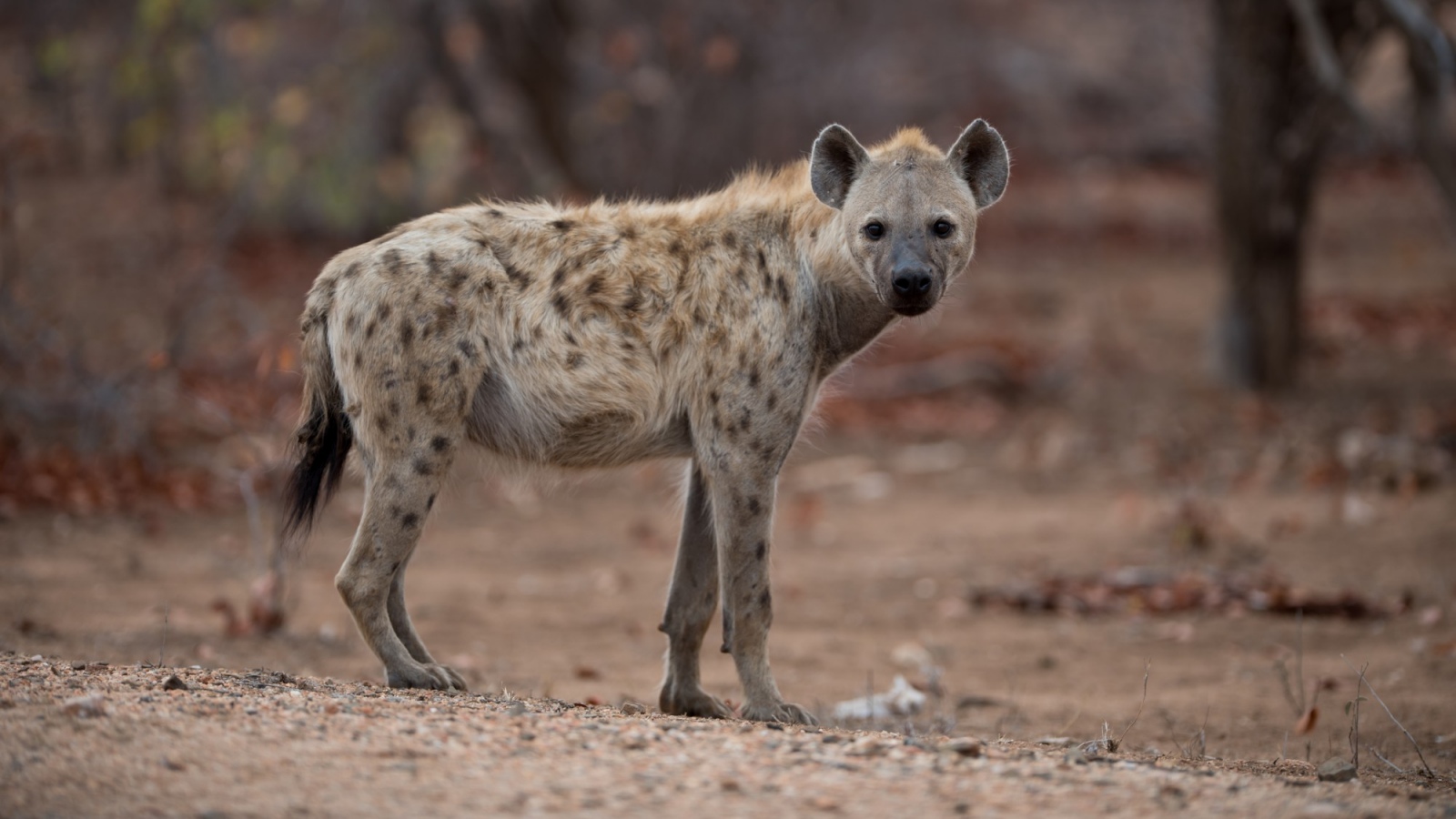
Often feared and misunderstood, India's striped hyenas play a vital role in cleaning ecosystems. Discover why protecting these scavengers is crucial for nature.
- Striped hyenas act as essential scavengers in Indian ecosystems.
- They facilitate nutrient cycling by consuming animal remains.
- Habitat loss and human misconceptions are their primary threats.
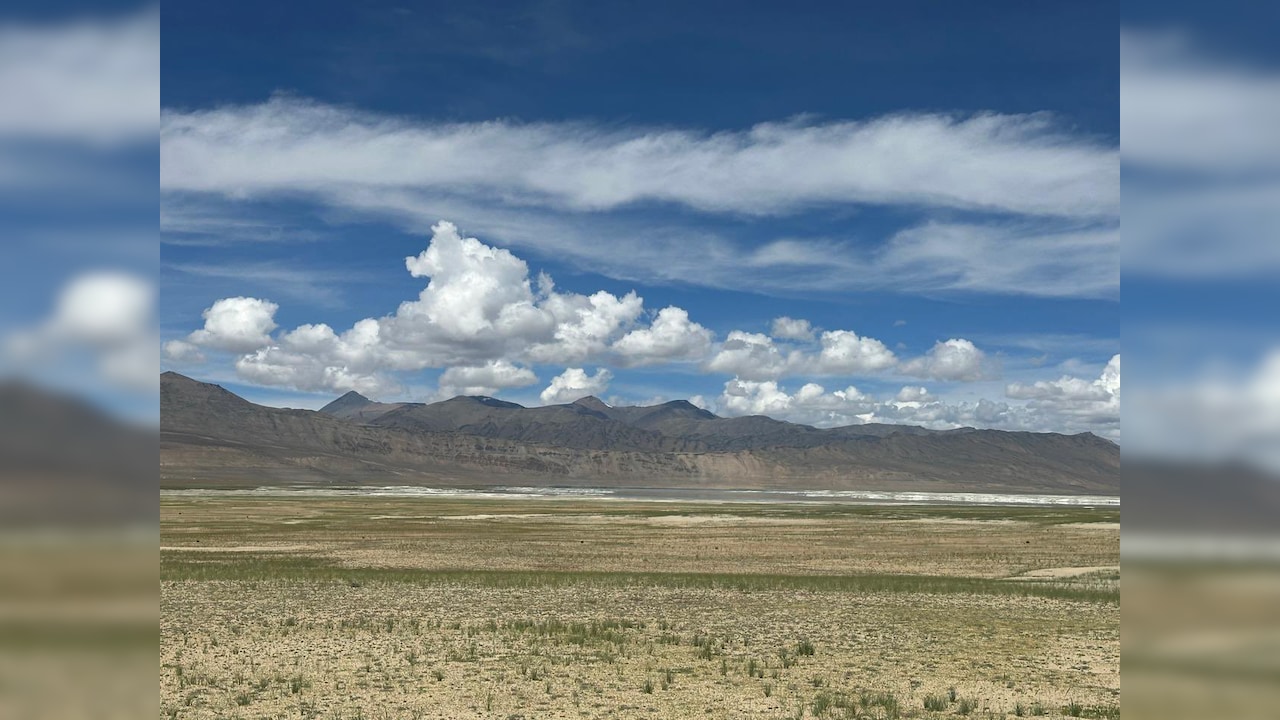
In the dry and semi-arid landscapes of India, the striped hyena (Hyaena hyaena) operates in the shadows, often misunderstood and even persecuted due to folklore and fear. However, far from being the monsters depicted in legends, these animals are critical components of a healthy environment. As scavengers, they perform the essential service of removing decaying organic matter from the landscape.
The Ecological Role of Scavengers
Wildlife photographer and conservationist Indrajit Ghorpade emphasizes that the striped hyena's primary contribution is its scavenging behavior. By consuming carcasses left behind by other predators, they ensure that the cycle of life and death remains uninterrupted. This process is vital for recycling nutrients back into the soil and maintaining the biological balance of the region.
Why This Matters
BozokMedia analysis shows that the decline of scavenger species like hyenas and vultures can lead to an accumulation of carcasses, increasing the risk of disease outbreaks. Protecting these animals is not just about saving a single species; it is about maintaining the 'sanitation services' of the natural world.
Scavengers like hyenas and vultures play an important role in the cycle of life and death.
The availability of food for these animals is currently under threat. A shifting predator-prey balance and changes in livestock management have led to a scarcity of carcasses. Furthermore, a new economic challenge has emerged: the commercial value of animal remains, which deprives scavengers of their natural food source.
Threats to Survival
The survival of the striped hyena is jeopardized by three major factors identified by experts: Habitat loss, Illegal hunting, and Human persecution driven by ignorance. Because they are largely nocturnal and inhabit areas near human settlements, they frequently come into conflict with people who do not understand their ecological value.
Frequently Asked Questions
1. How do striped hyenas help the environment?
They act as natural cleaners by consuming dead animals, which prevents the spread of disease and recycles nutrients.
2. Why are they often persecuted by humans?
Misconceptions rooted in old folklore and a lack of awareness about their beneficial role often lead to fear and hostility.