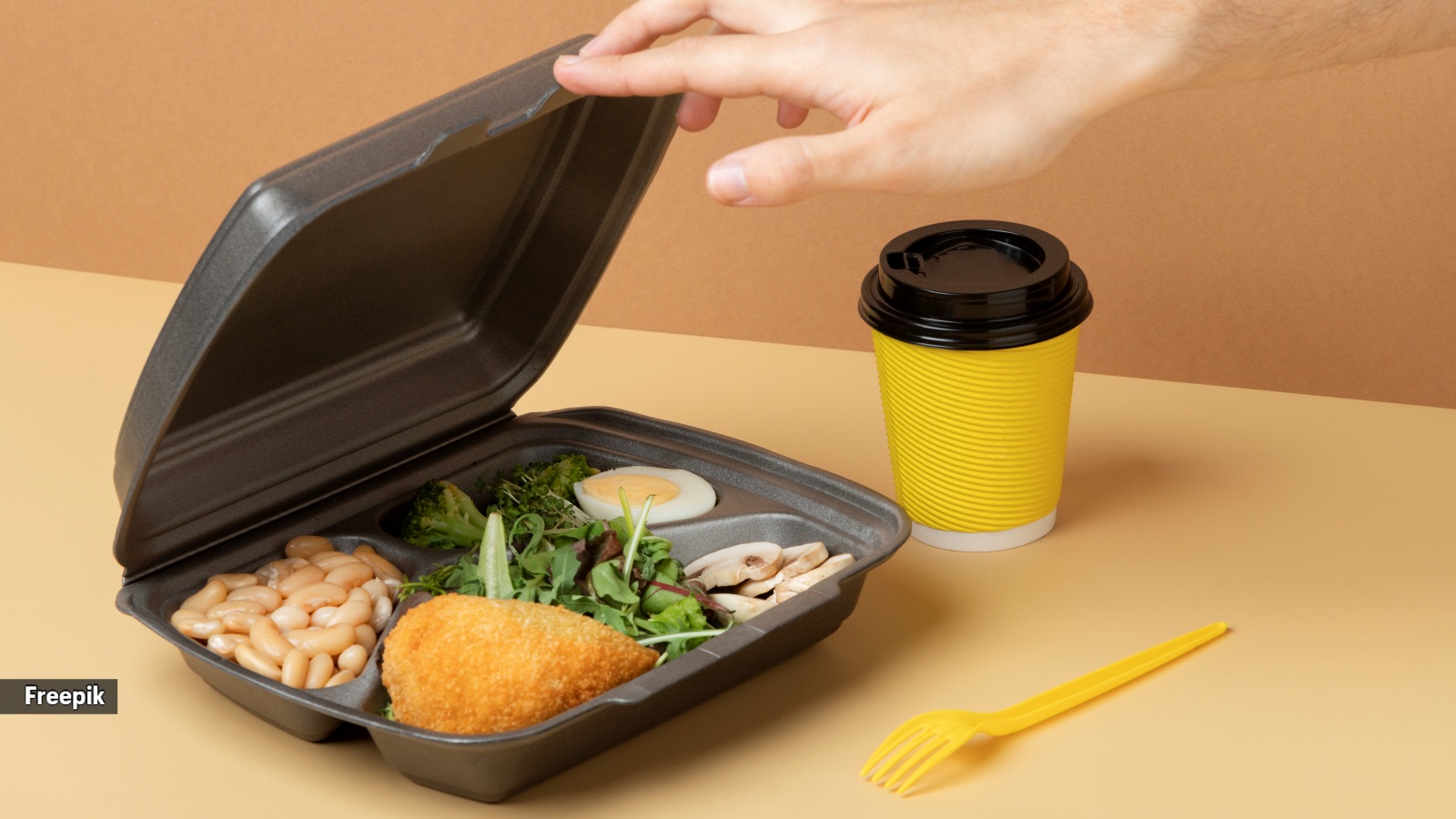
The 'microwave-safe' label on takeaway packaging is often misunderstood. Experts warn that heating oily foods in plastic can lead to chemical migration and microplastic exposure.
Key Takeaways
- 'Microwave-safe' means the container won't melt, not that it's chemically inert.
- High-fat and oily foods accelerate the leaching of chemicals into your meal.
- Switching to glass or ceramic is the safest way to reheat leftovers.
Many consumers assume that if a takeaway container is labeled 'Microwave-Safe', it is perfectly safe for reheating. However, health experts are sounding the alarm, suggesting that this label provides a sense of security that may be misplaced.
Understanding the Label
According to Sandhya Pandey, Chief Dietician at Medanta Gurugram, the label primarily indicates that the container can withstand microwave temperatures without melting or warping. It does not guarantee that the container is completely inert or suitable for all types of food or heating durations.
Why This Matters
BozokMedia analysis shows that the safety of reheating depends heavily on the interaction between the material and the food. Factors such as the type of plastic, the temperature reached, and the fat and sugar content of the food play a critical role in chemical migration.
A microwave-safe label should be viewed as guidance for intended use rather than a guarantee that no substances will migrate into food.
Evidence suggests that certain food-contact plastics can release microscopic plastic particles during heating. This risk increases significantly when heating greasy or oily foods, which can enhance the transfer of compounds from the packaging into the meal.
Containers to Avoid
Experts recommend avoiding expanded polystyrene foam (Styrofoam) and thin, clear plastic containers that lack specific microwave-safe designations. Additionally, black plastic containers have come under scrutiny due to potential contaminants from recycled electronic waste.
| Material | Microwave Safety Level | Recommendation |
|---|---|---|
| Glass/Ceramic | Highest | Best for all foods |
| Polypropylene (#5) | Moderate | Use with caution/limited time |
| Styrofoam | Very Low | Avoid heating |
| Black Plastic | Uncertain | Avoid reheating |
Frequently Asked Questions
1. Why shouldn't I microwave oily food in plastic?
Oil and fats reach higher temperatures than water, which can trigger the breakdown of plastic and accelerate chemical leaching.
2. What is the safest way to reheat leftovers?
The safest method is to transfer food from its original packaging into a glass or ceramic dish before heating.