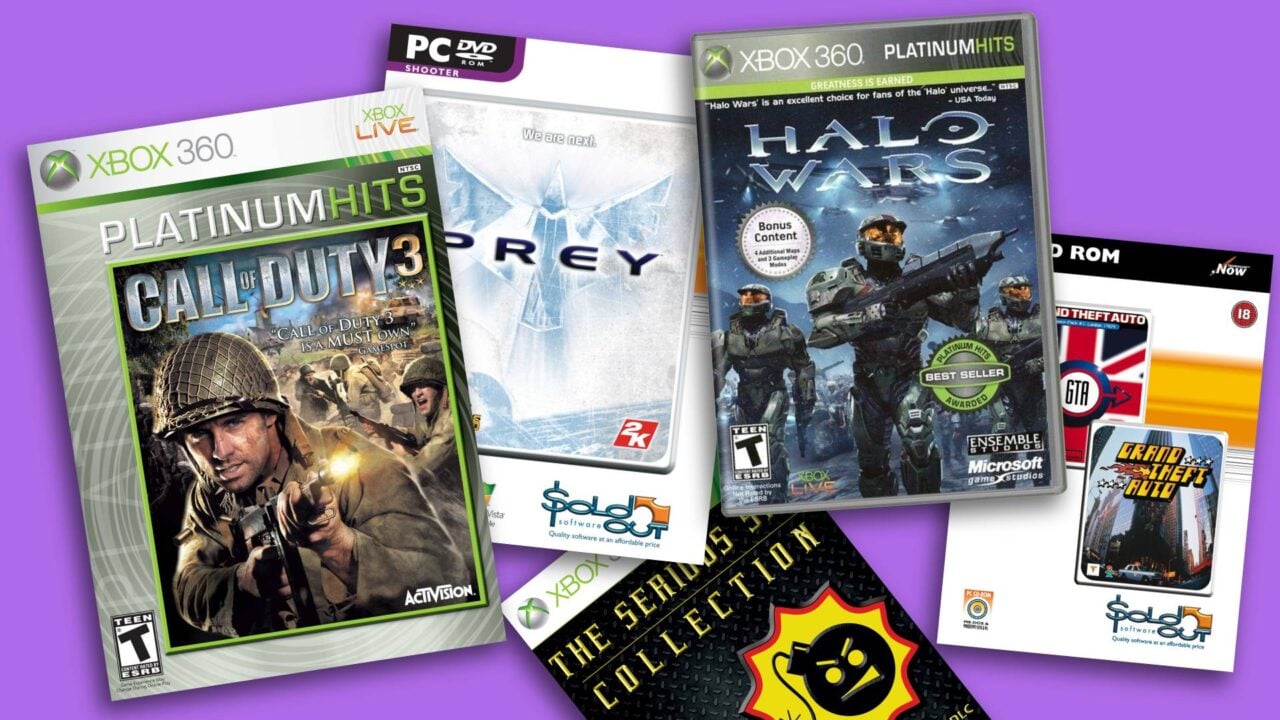
While discount re‑releases once revived gaming accessibility, relentless sales have blurred the model’s original purpose. This piece explores the history, impact, and future direction of budget re‑releases.
Key Takeaways
- The budget re‑release concept began in the late 1990s.
- Frequent sales and repeated re‑launches have altered consumer expectations.
- Finding a balance is crucial for preserving brand value.
Budget label re‑releases, often called "discount re‑releases," originally offered gamers high‑quality titles at a fraction of the launch price. The pioneering Electronic Arts "Greatest Hits" program in 1999 popularized the model, bringing many classic blockbusters down to under $20. Since then, major platforms like Nintendo, PlayStation, and Xbox have adopted similar budget lines, dramatically expanding accessibility.
In the past two years, however, sales pressure has turned this model into a cycle of repeated discounting. The same game appears multiple times as a discounted edition, leading to “deal fatigue” among consumers and eroding the original pricing strategy. This shift has dimmed the budget label’s once‑clear promise of “affordable yet valuable.”
Historically, budget re‑releases served a delicate equilibrium: generating extra revenue for developers while delivering cost‑effective options for players. When that balance tips, both sides suffer—developers risk reduced margins, and gamers feel short‑changed by repetitive offers.
Why This Matters (इसके मायने क्या हैं)
According to BozokMedia analysis, over‑using budget re‑releases creates two major risks for the gaming ecosystem. First, consumer trust erodes; when a title is repeatedly discounted, the perceived value of games overall declines. Second, indie developers face heightened competition, as large studios can repeatedly push discounted titles, crowding the market.
Economically, this trend could shrink total game sales because shoppers may purchase early at full price rather than wait for uncertain future discounts. Socially, it may shift gaming culture from “affordable enjoyment” to “unstable pricing,” potentially dampening long‑term enthusiasm.
Gaming analyst Alex Rivera: "Budget re‑releases not only make games more accessible but also reinforce long‑term brand equity when executed wisely."
| Aspect | Original Launch | Budget Re‑Release |
|---|---|---|
| Price | High (≈ $59.99) | Low (≈ $19.99‑$29.99) |
| Availability | New console generation | All major retailers & digital stores |
| Promotion | Full‑scale advertising | Sale events, bundle offers |
Frequently Asked Questions
Q1: Do budget re‑releases always compromise game quality?
A: No. In most cases, the core game content remains unchanged; only pricing and distribution differ.
Q2: Can continuous discounted releases hurt small developers?
A: Yes, because frequent deep discounts from major studios raise price sensitivity, making it harder for indie titles to compete.