Players of the newly released Offbeat composer simulation are trying to recreate Deep Purple's iconic riff using a quirky cat-shaped piano. The experiment highlights both the game's creative freedom and the challenges of translating classic rock into a limited virtual instrument.
Key Takeaways
- Using the cat piano in Offbeat to attempt a classic rock riff
- Challenges of adapting "Smoke on the Water" without a guitar
- Early access reveals broad creative possibilities for music‑focused games
Deep Purple’s 1972 anthem "Smoke on the Water" is one of the most instantly recognizable riffs in rock history. Consisting of just four notes, it has become a rite‑of‑passage for beginner guitarists and a favorite for countless covers across media. Its cultural staying power has led to frequent reinterpretations in films, TV shows, and increasingly, video games.
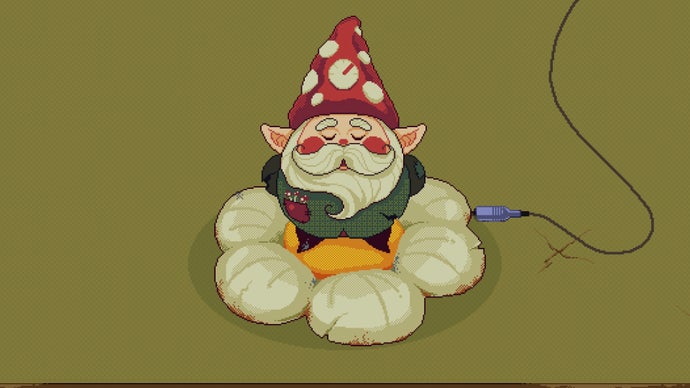
Offbeat, a composer‑simulation game that launched into early access on July 22, invites players to craft music within a whimsical world populated by a cat‑shaped piano, a singing gnome, and a cymbal‑clashing monkey. The author set out to translate the famous riff onto the cat piano, but quickly ran into technical and tonal obstacles that proved more daunting than a simple chord progression.
The core difficulty lay in emulating the gritty guitar tone on an instrument designed to sound like an organ. The cat piano’s limited pitch range and fixed tuning meant that precise note‑for‑note replication was nearly impossible. Moreover, the game’s built‑in characters—while charming—lack the vocal power of Ian Gillan or the percussive punch of Ian Paice, making a faithful recreation even harder. Despite these hurdles, the author managed to create a playful jam, layering chords and improvisations that showcase Offbeat’s flexible composition system.
Why This Matters (इसके मायने क्या हैं)
According to BozokMedia analysis, experimental music sims like Offbeat serve a dual purpose: they spark fresh creativity within the gaming community and provide an accessible sandbox for amateur musicians to explore real‑world theory. When players wrestle with adapting a classic riff to an unconventional instrument, they inadvertently practice scales, rhythm, and arrangement techniques that traditional lessons often overlook.
Beyond personal skill‑building, games that blend music creation with gameplay signal a broader shift in the indie sector. By offering monetizable composition tools and multiplayer jam sessions, titles like Offbeat can open new revenue streams while accelerating the digital transformation of music education.
"Simulators such as Offbeat give aspiring composers a hands‑on way to experiment with real musical concepts without the steep learning curve of traditional DAWs," notes music scholar Dr. Anjali Sharma.
Frequently Asked Questions
Q1: Can the cat piano in Offbeat produce a true guitar‑like sound?
A: While the current instrument lacks the gritty timbre of a guitar, players can approximate the feel using organ presets, pitch bends, and layered chords.
Q2: What’s next for Offbeat after early access?
A: Developers have promised additional instruments, expanded sample libraries, and multiplayer jam features, broadening the creative canvas for users.