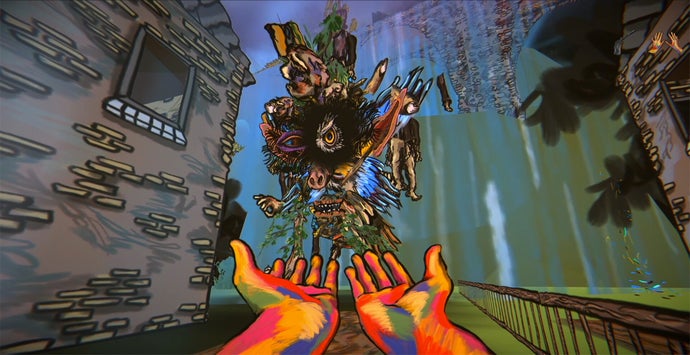
id Software and Microsoft have unveiled Doom: The Dark Ages Revelations, but the simultaneous shedding of half the studio’s staff casts a shadow over the future of its groundbreaking engine. id Tech 8’s influence on modern games is now at risk amid sweeping corporate cuts.
id Software and Microsoft rolled out Doom: The Dark Ages Revelations this week, an expansion to the critically acclaimed entry in the long‑standing first‑person shooter franchise. The title marks only the second game to employ the id Tech 8 engine, the most advanced iteration that has powered a generation of visually stunning titles.
Why id Tech 8 Matters
id Tech 8 pushes real‑time ray‑tracing, path‑tracing, and high‑frame‑rate performance without compromising visual fidelity. The same engine fuels the award‑winning global illumination in Indiana Jones and the Great Circle, and it delivered a smooth experience on the original Nintendo Switch. Doom: The Dark Ages continues this legacy, demanding dedicated hardware for expansive ray‑traced effects while preserving the series’ signature fast‑paced gunplay.
Scale of Microsoft’s Cuts
Microsoft announced a plan to lay off 3,200 employees and divest five studios, but the exact impact on id Software was initially unclear. Investigations by industry outlets reveal that roughly 50 % of the studio’s workforce was terminated. 3D Realms founder Scott Miller reported that most of the studio’s programmers were let go, while a former Bethesda lead, Jeff Gardiner, cited 85 developers losing their jobs. A Texas WARN notice lists 136 affected workers, and a former VFX artist described the studio as now reduced to a “support‑studio size.”
The Cost of Proprietary Engines
Maintaining a proprietary engine is a costly endeavour—continuous updates, talent retention, and hardware compatibility demand significant investment. Consequently, many major studios, such as CD Projekt Red, have migrated to Epic’s Unreal Engine, which offers a more flexible licensing model. Microsoft itself is phasing out its Slipspace Engine in favour of Unreal for the next Halo iteration, signalling a broader shift away from in‑house technology.
Implications for the Future
If id Software’s talent pool is indeed depleted, id Tech 8 may become a relic limited to a handful of franchises—Forza, the upcoming Fable, and the Creation Engine titles like Starfield. Other Microsoft‑owned IPs are already eyeing third‑party solutions, eroding the competitive edge that unique technology once provided. This trend could weaken Microsoft’s hardware‑centric strategy, including the upcoming Project Helix slated for 2027, by removing the exclusive visual showcases that differentiate its consoles.
In short, Doom’s new expansion showcases the power of id Tech 8, but the studio’s ongoing layoffs threaten to silence that innovation permanently. Should Microsoft abandon the engine entirely, the ripple effect could dampen industry‑wide technical progress for years to come.