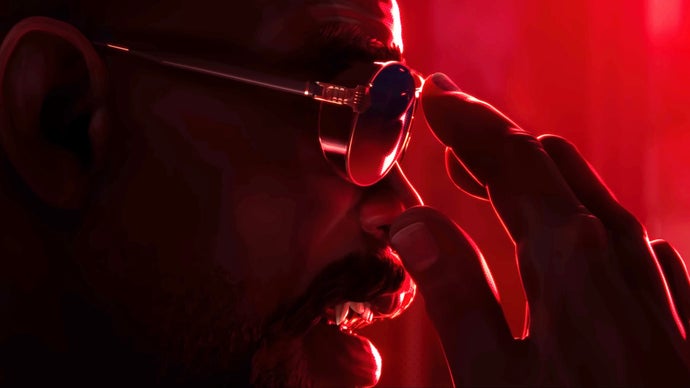
Microsoft has announced a massive layoff across its Xbox division, closing four studios and forcing the remaining ones to focus on proven franchises. The fate of French studio Arkane Lyon and its mysterious project ‘Marvel Blade’ remains uncertain.
Microsoft officially confirmed this week that it will cut thousands of jobs from its Xbox division, shutter four game studios and compel the survivors to pivot toward established franchises. The sweeping ‘reset’ is being overseen by newly‑appointed Xbox head Asha Sharma. While Double Fine and Compulsion will spin out as independent studios, Ninja Theory and Undead Labs have undisclosed new owners, Arkane Lyon’s future hangs in the balance.
Why Arkane Lyon Is Treated Differently
Located in France, Arkane Lyon is subject to strict local labour laws that require a mandatory “consultation” with a regional Works Council. Microsoft’s statements indicate this consultation will involve a “review of potential strategic options,” but no concrete decision has been disclosed. The French legal framework forces a collaborative approach, making Arkane’s path distinct from its North‑American counterparts.
The Uncertain Destiny of ‘Marvel Blade’
Despite the turmoil, Microsoft has publicly pledged that none of its first‑party, publicly announced games are being cancelled as part of the cuts, suggesting that ‘Marvel Blade’ is still on the books. Yet, a report from The Verge notes the title is already over‑budget and has been internally delayed from an original 2026 launch to an undefined 2027 window.
Industry Voices
Todd Howard of Bethesda Game Studios recently saw a demo of ‘Marvel Blade’ and praised it as “really, really great,” but he declined to reveal any timeline. Meanwhile, Arkane co‑founder Raphael Colantonio jokingly asked Asha Sharma on Twitter how much it would cost to buy the studio, hinting at a desire among veterans to see Arkane go indie and perhaps revive classics like Dishonored under its own banner.
Potential Outcomes
If Microsoft opts to sell Arkane Lyon, a new European owner could inject fresh capital and creative freedom, potentially revitalising the continent’s game development scene. Conversely, a closure would echo the fate of sister studio Arkane Austin in 2024, erasing a key source of narrative‑driven, immersive experiences. Either scenario will have lasting repercussions for the broader gaming ecosystem.