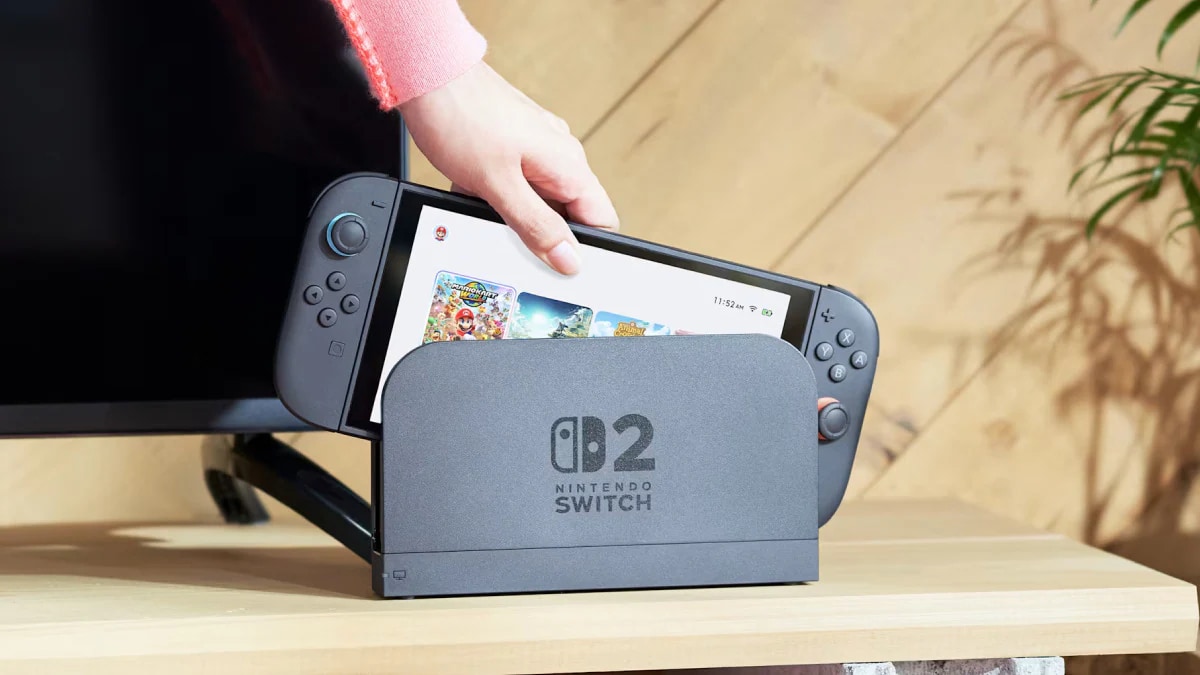
Nintendo announced that European versions of the Switch 2 console and its Joy‑Cons will come with user‑replaceable batteries. The move aligns with the European Union’s new battery directive, giving gamers greater flexibility while meeting stricter environmental standards.
Japanese gaming giant Nintendo confirmed on Monday that it will launch European variants of the Nintendo Switch 2 console and its flagship Joy‑Cons equipped with user‑replaceable batteries. The decision directly responds to the European Union’s updated Battery Directive, which mandates that portable electronic devices incorporate batteries that are easy to replace and recycle.
Impact of the EU Battery Directive
Effective from 2024, the revised EU battery rules require manufacturers to design products that facilitate battery removal, replacement, and proper end‑of‑life handling. The aim is to curb electronic waste and promote a circular economy. By offering replaceable batteries, Nintendo not only complies with the regulation but also positions itself as a sustainability‑focused brand.
Phased Roll‑out Strategy
Nintendo said the new hardware will debut in Europe during the early summer months, followed by a staggered release in other regions. Rather than redesigning the entire console, the company will modify existing production lines to add a removable‑battery option alongside the standard sealed‑battery model.
Implications for Consumers and the Industry
Gamers will no longer need to replace an entire handheld device when the battery degrades; a simple battery swap will suffice, potentially lowering long‑term ownership costs. Environmentally, the shift could reduce landfill waste and improve recycling rates. Competitors may feel pressure to adopt similar designs, reshaping the broader portable‑gaming market.
A First in Nintendo’s History?
Both the original Nintendo Switch (2017) and the Switch Lite featured non‑removable, built‑in batteries. Introducing a replaceable‑battery option marks a significant departure from Nintendo’s traditional design philosophy, reflecting both regulatory pressure and a growing consumer demand for repairability.
Should the EU tighten its standards further, industry heavyweights such as Sony and Microsoft might be compelled to follow suit, potentially establishing a new global benchmark for gaming hardware sustainability.