Microsoft announced a wave of cuts affecting 1,600 staff and four studios, prompting Xbox to refocus on priority projects. Elder Scrolls Online’s team faced massive layoffs just two days before Season One’s debut, forcing a complete overhaul of its future content schedule.
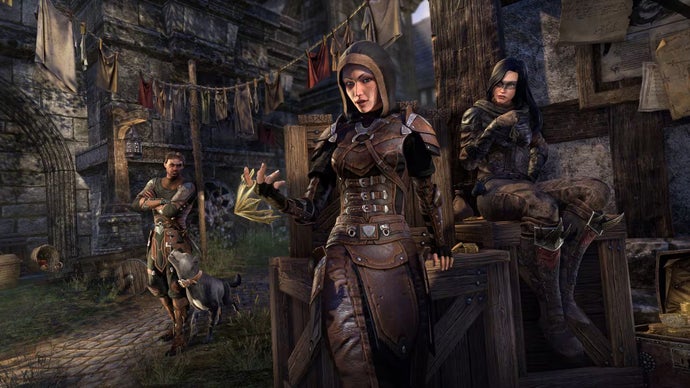
Microsoft revealed yesterday that it will cut 1,600 employees, spin off four studios and target another 1,600 job reductions over the next year. Xbox CEO Asha Sharma told staff via email that the company is "making reductions" and "shifting investment to focus on higher‑priority projects." The most visible fallout is on Elder Scrolls Online (ESO), the long‑running MMO from Zenimax Online Studios.
Background: From Annual Expansions to Seasonal Releases
In January, Zenimax announced it would abandon yearly expansions in favor of a seasonal release model. The shift was intended to deliver new content every three months rather than every 18 months, a cadence the studio believed would keep players engaged and better compete with other live‑service titles. This strategic pivot required extensive technical re‑work on the 12‑year‑old MMO.
Impact of the Layoffs
Just two days before the scheduled launch of Season One, Xbox’s restructuring hit ESO’s development team hard. Roughly half of the active development staff—writers, designers, programmers, artists, community managers, producers, and operations leads—were let go. In a forum post, Community Associate Director Jessica Folsom confirmed that Season One will still launch, but "the roadmaps we previously shared will be shifting." She could not provide a timeline for the new roadmap, noting the team needs time to evaluate remaining work and lock down an updated schedule.
What Was Planned vs. What Remains Possible
When the seasonal model was first announced, Executive Producer Susan Kath stressed it was not a reaction to the 2025 layoffs; the work on seasons had begun 12‑14 months earlier. However, with half the team gone, the ambitious fixes and content upgrades outlined in the January roadmap are now in jeopardy. Developers who survived the cuts describe a studio stretched thin, lacking the resources to deliver the promised overhaul.
Xbox’s Broader Strategic Narrative
Over recent months, Sharma’s interviews have highlighted Xbox’s intent to double down on its biggest franchises—Halo, Gears of War, Fallout—while the flagship Elder Scrolls series still awaits the release of The Elder Scrolls VI. Applying sweeping cuts to the only studio currently delivering new Elder Scrolls content appears contradictory to that narrative, raising doubts about Microsoft’s commitment to maintaining a diverse live‑service portfolio.
Unless additional funding or external partnerships are secured, ESO’s seasonal cadence may slip, potentially eroding player trust and subscription revenue. The situation underscores a larger industry tension: balancing cost‑cutting measures with the need to keep live‑service games fresh and financially viable.