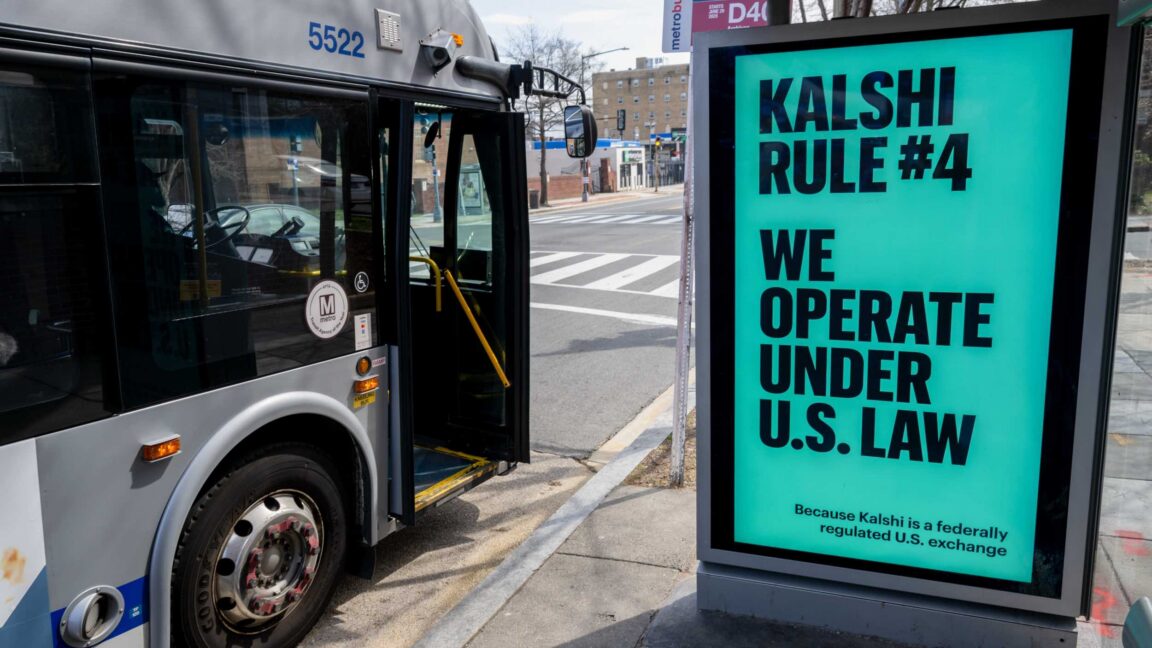
Kalshi attempted to ignore New York's state gambling regulations, but a federal judge denied its request. Governor Kathy Hochul and Attorney General Letitia James hailed the ruling as a win for consumer protection.
Case Overview
A federal judge on Wednesday dismissed Kalshi's petition to block enforcement of New York's state gambling statutes, a move that underscores the growing legal clash over prediction markets. The decision was echoed in a joint statement by Governor Kathy Hochul and Attorney General Letitia James, who emphasized the protective intent of the state's gambling framework.
Kalshi and the Rise of Prediction Markets
Kalshi operates a prediction‑market platform where users place bets on the outcomes of real‑world events, ranging from election results to commodity price movements. While proponents market the service as a tool for risk hedging and collective intelligence, regulators often classify such platforms as gambling, triggering stricter oversight.
New York's Gambling Regulatory Landscape
New York has long maintained a comprehensive gambling code designed to shield consumers from fraud, addiction, and financial loss. Recent amendments have extended the reach of these rules to include online betting, sportsbook operators, and now, prediction‑market services, treating them under the same legal umbrella.
Federal Preemption vs. State Authority
Kalshi argued that federal regulations governing prediction markets preempt state law, contending that New York's statutes are effectively nullified by national oversight. This legal question—whether federal rules outweigh state statutes—has surfaced in multiple jurisdictions, prompting courts to balance uniformity against localized consumer safeguards. In this instance, the judge found that existing federal guidance does not sufficiently override New York's specific gambling provisions.
State Response and Potential Implications
Governor Hochul and Attorney General James said, “New York’s gambling laws are designed to protect consumers. Kalshi tried to ignore them. Yesterday, they lost in court. We will continue to hold all gambling platforms accountable to the law—and that includes prediction markets.” Kalshi has appealed the ruling to a higher court, signaling that the dispute is far from settled.
Looking Ahead
If appellate courts uphold the state’s position, prediction‑market operators across the United States may face tighter licensing requirements, enhanced consumer‑protection mandates, and potentially higher compliance costs. Conversely, a ruling in Kalshi’s favor could cement a federal preemption doctrine, allowing prediction markets to operate with fewer state‑level restrictions. Stakeholders—investors, users, and regulators—must navigate this evolving legal terrain with heightened vigilance.