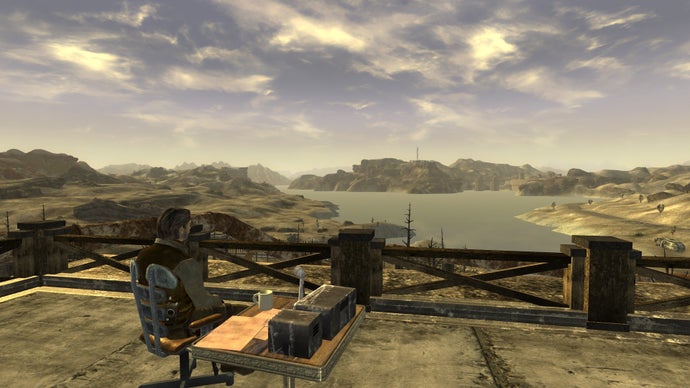
Obsidian's upcoming Fallout project is examined against recent Microsoft layoffs, the Fallout TV series, and the studio's past successes. The article explores possible settings, design philosophies, and industry trends shaping the sequel.
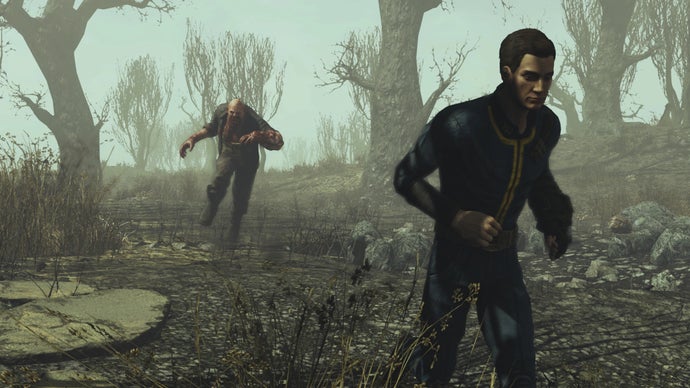
Obsidian Entertainment, celebrated for turning Fallout: New Vegas into a genre‑defining RPG, is reportedly gearing up for another entry in the Fallout universe. Recent Microsoft-wide layoffs have reshuffled the New Vegas team toward a wasteland focus, prompting fans to wonder whether the next game will echo the beloved mechanics of its predecessor or chart an entirely new course.
Looking Back, Moving Forward
New Vegas set a high bar with its West‑Coast backdrop, intricate faction system, and player‑driven narrative. A sequel that follows that formula would likely stay on the American West Coast, giving Obsidian room to weave fresh factions and story arcs while leveraging modern tech to build a more dynamic wasteland. Yet the past decade has reshaped RPG expectations; titles like Cyberpunk 2077 and Baldur’s Gate 3 have raised the bar for world‑building, combat depth, and visual fidelity.
The Fallout TV Show’s Ripple Effect
The recent Fallout television series injected new life into the franchise, and Bethesda has confirmed that events depicted on screen will be considered canon for future games. This creates a space where Obsidian cannot simply retread New Vegas territory; instead, they must situate their story after the show’s timeline, possibly exploring untapped regions such as the Canadian north or the Mexican borderlands.
Designer Josh Sawyer’s Vision
In a 2024 YouTube Q&A, lead designer Josh Sawyer emphasized the core question: “What can we do this time that we couldn’t do before?” He noted that the Fallout universe still holds “a ton of stories and societal questions” waiting to be explored. This suggests that Obsidian may prioritize fresh narrative angles over nostalgic recreation.
Potential Innovations and Constraints
Drawing inspiration from recent Obsidian titles like Avowed and The Outer Worlds 2, the studio might abandon the monolithic open‑world design in favor of multiple, tightly‑crafted zones. Such an approach could reduce technical load, enhance story focus, and offer varied faction gameplay. However, budgetary limits, Microsoft’s strategic direction, and the need to respect existing Fallout canon will all influence the final product.
Ultimately, the next Obsidian Fallout will be shaped by a blend of creative ambition, corporate realities, and the evolving expectations of a mature RPG audience.