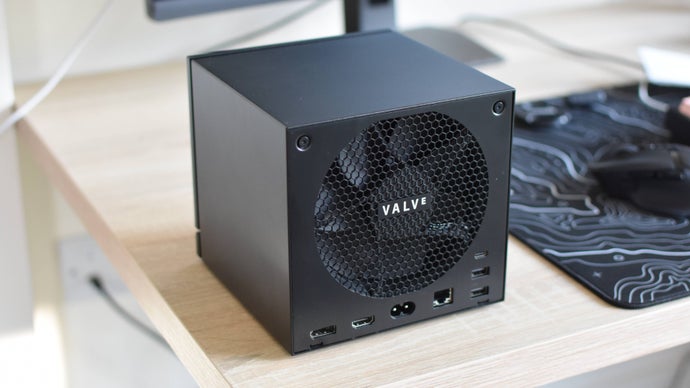
Valve has finally made Steam Machine compatibility badges visible on game store pages, letting players instantly see which titles are fully supported. What prompted this change and what does it mean for the platform? Read on.
Key Takeaways
- Steam Machine Verified, Playable, and Unsupported badges are now clearly displayed on game pages.
- The update enhances transparency for SteamOS hardware buyers and simplifies purchase decisions.
- Future iterations may extend a similar verification framework to the Steam Frame and other VR devices.
For years, Valve has maintained a game compatibility rating system for its Steam Machine, mirroring the approach used for the Steam Deck. Yet for the first fortnight following the machine’s launch, those ratings were hidden from the store pages—leaving gamers in a state of uncertainty. This overnight change, however, has flipped that dynamic, making it easy for users to see at a glance which titles are fully supported.
Background and Significance
The Steam Machine, introduced in 2017, is a Windows‑based PC designed to offer a portable gaming experience. Valve’s compatibility framework tags each game as Verified, Playable, or Unsupported, informing players about performance, control support, and overall suitability for the hardware.
How the Testing Works
Games are evaluated on graphics fidelity, controller integration, and resource usage. For example, Dota 2 earns a Playable status—its graphics and gamepad support are solid, but some controller icons and the occasional on‑screen keyboard issue hold it back from a full tick. Palworld 1.0, by contrast, secures a Verified badge for its smooth performance across settings and inputs.
Implications of the Update
With badges now front‑and‑center, Steam Machine buyers can quickly filter titles that will run flawlessly. The move boosts user confidence, provides Valve with valuable data on hardware performance, and paves the way for similar transparency on future devices like the Steam Frame.
Looking Ahead
Valve’s new FEX layer—designed to run x86 games on ARM chips—will be crucial for the low‑end, standalone Steam Frame headset. A comprehensive verification program will help demystify whether ARM‑based games will perform as expected, mirroring the clarity already achieved for the Steam Machine.