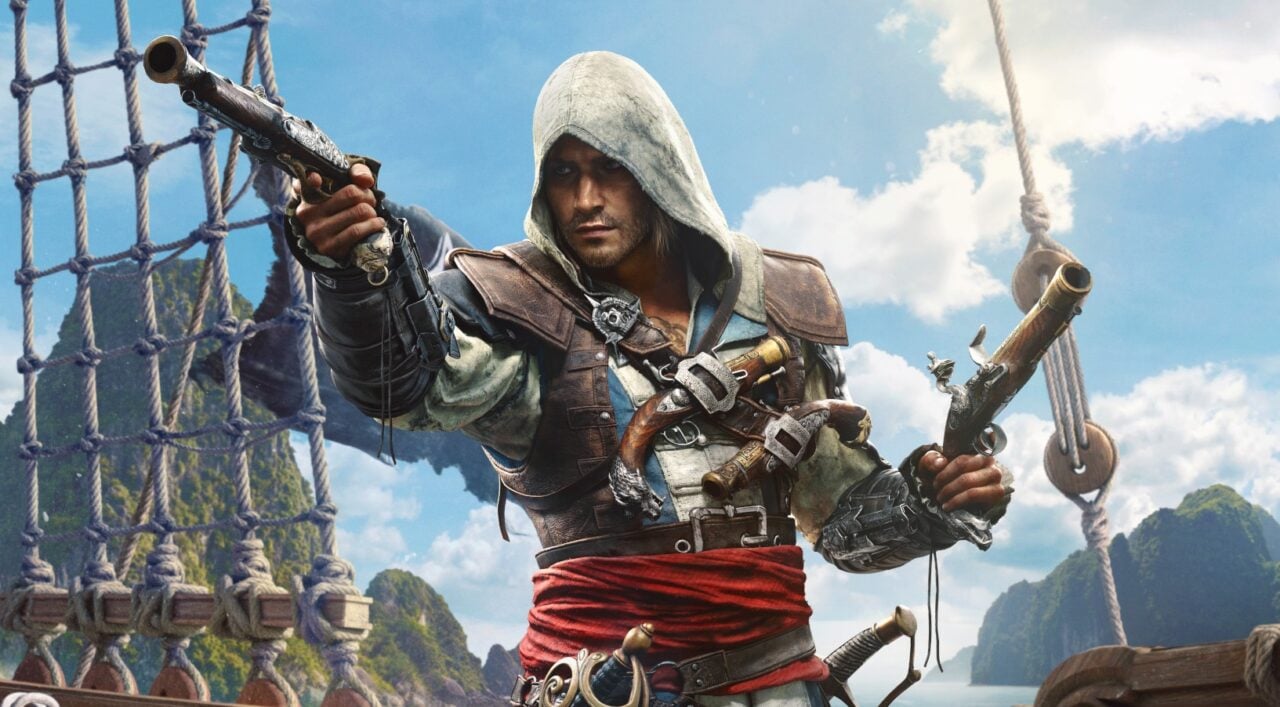
Ubisoft has finally disclosed detailed unit sales for the resynced version of Assassin’s Creed Black Flag, marking the first public data in many years. This move sheds light on the company’s transparency strategy and the enduring market strength of the classic franchise.
Key Takeaways
- Ubisoft releases detailed sales data for the first time in years.
- Resynced Black Flag shows robust performance across modern platforms.
- The disclosure could reshape investor confidence and future franchise strategy.
Ubisoft, the studio behind the long‑running Assassin’s Creed franchise, has broken its long‑standing silence by publishing unit sales numbers for the resynced edition of Black Flag. Originally launched in 2013, Black Flag remains a landmark title for its open‑sea exploration and pirate‑themed narrative, and its refreshed release in 2022 re‑introduced the game to a new generation of gamers.
Background: A Decade of Data Withholding
For years, Ubisoft refrained from releasing detailed sales figures for its marquee titles, creating a veil of speculation among analysts, investors, and fans alike. While rivals such as Activision Blizzard and Electronic Arts routinely publish quarterly revenue and unit sales, Ubisoft’s opacity left a gap in understanding its financial health, especially as the gaming market grew increasingly data‑driven.
Resynced Black Flag’s Performance
The newly released data indicates that the resynced version of Black Flag has sold roughly 5 million units worldwide to date, with strong uptake on Nintendo Switch, PlayStation 5, and PC platforms. This figure not only adds to the original 2013 sales but also demonstrates that legacy titles can thrive when refreshed for modern hardware and distribution channels.
Implications for Market Strategy
Investors now have a clearer view of Ubisoft’s revenue streams, especially as the company pivots toward a blend of new IPs and revitalized classics. Analysts suggest that this transparency may pave the way for more strategic partnerships, licensing deals, and potentially a more disciplined approach to publishing financial results.
Future Outlook
By opening the books, Ubisoft signals a shift toward greater accountability—a move that could encourage other publishers to follow suit. If the trend continues, we may see a new era where classic franchises are not only nostalgic touchstones but also reliable revenue generators, influencing development roadmaps and investor sentiment alike.