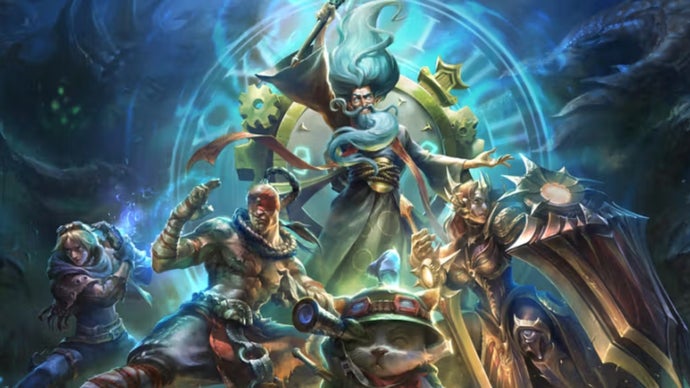
Riot Games announced the official release date for League of Legends Classic on July 29, promising a nostalgic experience shaped by community‑voted patches. This blend of old‑school gameplay and modern player input aims to balance nostalgia with competitive integrity.
Key Takeaways
- League of Legends Classic releases on July 29
- Player‑voted patches will influence game balance
- Nostalgia trend reshapes the gaming industry
Riot Games has confirmed two major milestones for its flagship MOBA title, League of Legends. While a full remake is slated for 2027, the studio is also reviving the 16‑year‑old game in a nostalgic “Classic” version set to launch on July 29. The announcement was made during the MSI Finals through a dedicated showmatch, sparking excitement among long‑time fans.
Pre‑download and Preparation
Players are encouraged to pre‑download the Classic client to ensure a seamless start on launch day. This approach helps balance server load and allows existing accounts to transition without losing progress or settings. The pre‑download package includes compatibility updates that align the old client architecture with current authentication systems.
Community‑Voted Patch Innovation
The standout feature of LoL Classic is its community‑voted patch system. Riot promises that certain balance changes will be decided by player polls, blending iconic early‑era builds—such as AP Yi and Stunlock Sion—with a modern feedback loop. Analysts suggest this model strives to honor nostalgic playstyles while preventing prolonged meta imbalances, offering a dynamic yet familiar experience.
Industry‑Wide Nostalgia Wave
This launch underscores a broader industry shift toward nostalgic revivals. Franchises like World of Warcraft, Call of Duty, and the Black Ops series have introduced classic modes or remasters to re‑engage lapsed audiences. By leveraging nostalgia, publishers aim to retain existing players and attract newcomers curious about gaming history.
Future Possibilities
Success of the Classic mode could inspire official relaunches of other legacy titles—think Counter‑Strike 1.6, Dota 2 classic maps, or even retro mobile games. Ultimately, the balance between preserving original experiences and evolving them through community input may define the next era of game development.