Square Enix is charging $60 for a visual‑only upgrade of Octopath Traveler, prompting backlash from gamers. Experts argue that the price far exceeds the value of the modest graphical enhancements offered.
Key Takeaways
- Square Enix sells Octopath Traveler’s visual upgrade for $60.
- Gamers deem the price excessive for minor resolution improvements.
- The pricing strategy could affect brand loyalty and future sales.
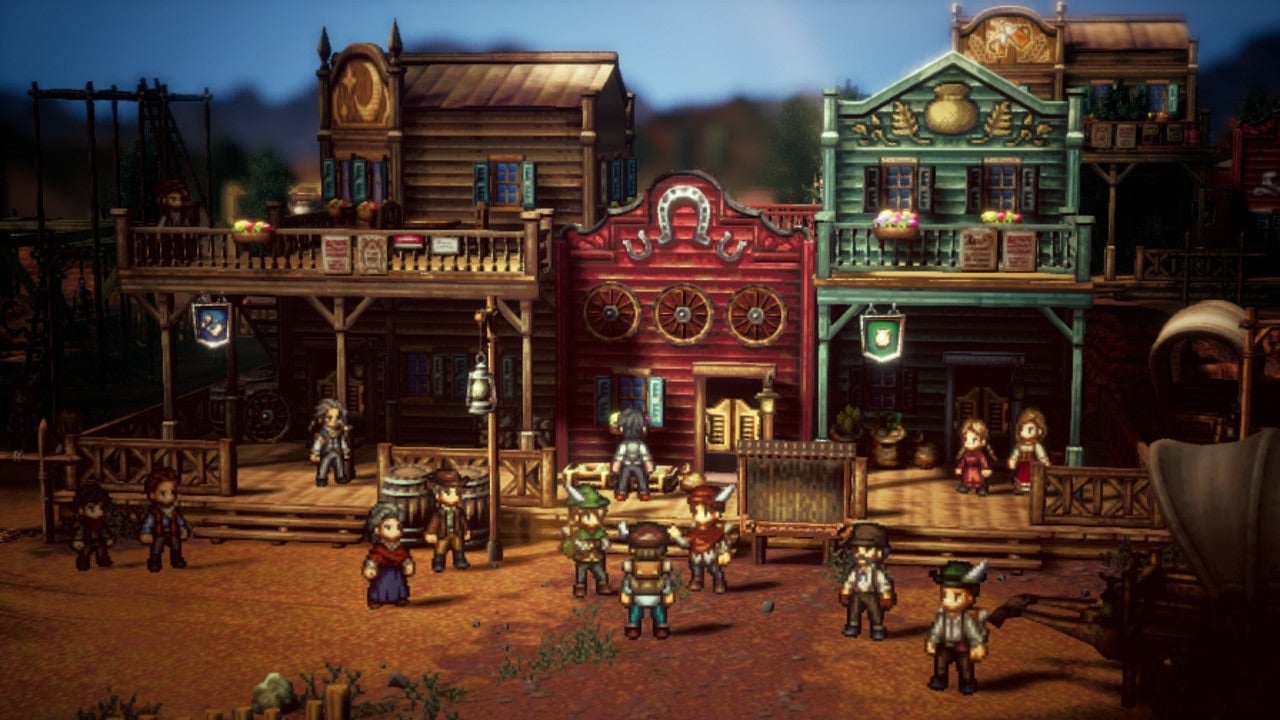
Square Enix has announced a new “Improved Resolution” edition of its acclaimed RPG Octopath Traveler, priced at $60 (approximately ₹5,000). The company touts higher resolution, refined textures, and smoother frame rates as the core benefits, promising to give the game’s signature “HD‑2D” aesthetic a fresh shine.
Background and Original Success
First released in 2018, Octopath Traveler earned widespread praise for its unique blend of retro pixel art and modern lighting, deep narrative structure, and turn‑based combat. The original launch price hovered around $40, and subsequent downloadable content (DLC) and expansions were either free or modestly priced, fostering a loyal fanbase.
What the New Upgrade Offers
The latest edition scales the game from its original 1080p baseline up to 4K, introduces anti‑aliasing improvements, and refreshes certain UI elements. Crucially, it adds no new storylines, characters, or gameplay mechanics—meaning the core experience remains unchanged, and many players view it as a cosmetic polish rather than a substantive addition.
Community Reaction
Across Reddit, Twitter, and gaming forums, the $60 price tag has been labelled “exorbitant” and “unjustified.” Comparisons abound with other titles that offer similar visual upgrades for $20‑$30, while new DLC packs typically sit in the $10‑$15 range. This discontent also revives criticism of Square Enix’s previous pricing decisions, such as the costly add‑ons for Final Fantasy VII Remake.
Industry Analysis
Analysts suggest the publisher is leveraging “digital repackaging” to extract additional revenue, but this strategy carries risk. If gamers reject the notion of paying premium prices for superficial enhancements, Square Enix may see reduced uptake for future remasters or re‑releases, potentially eroding long‑term brand equity.
Looking Ahead
Should the company persist with this model, it will need to bundle more tangible value—new quests, additional characters, or multiplayer modes—to justify the cost. Otherwise, fan dissatisfaction could undermine trust, especially among those already wary of Square Enix’s high‑priced DLC ecosystem.