‘The Great Villainess’ blends LGBTQ storytelling with sharp humor to deliver a fresh turn‑based strategy experience. Players control Lady Scarlet and streamer Lily, navigating strategic choices while their evolving relationship drives the narrative forward.
Key Takeaways
- Humor and LGBTQ‑focused narrative set a new tone
- Dynamic partnership between Lady Scarlet and Lily
- Resource‑free, turn‑based limits create deep strategic depth
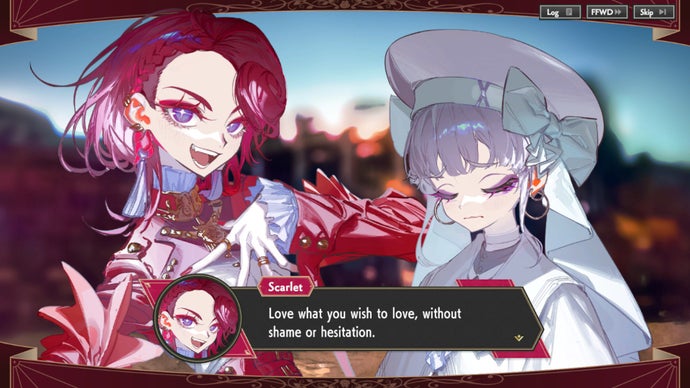
Released in 2023 by Alliance Arts, The Great Villainess is an indie turn‑based strategy title that quickly garnered attention for its bold storytelling and tight gameplay loop. Set in a fictional empire, the player alternates between two protagonists: the ego‑driven aristocrat Lady Scarlet, accused of regicide, and Lily, an accidental livestreamer who becomes her unlikely ally. Their chemistry, more than just romantic, directly influences the strategic decisions you make on the battlefield.
Gameplay Core and Map Mechanics
The game unfolds on a single expansive campaign map, revealing new towns and strongholds each chapter. Unlike traditional strategy titles, there is no resource production; you start each turn outnumbered, forcing you to rely on positioning, fortifications, and choke‑points. Each town can host a limited number of armies, turning terrain control into a decisive factor. Fortifying a location fills a star each turn for your side, while draining the enemy’s influence, and ownership flips only when the star count reaches zero.
Kill vs. Capture Decision Tree
The primary strategic fork is whether to kill enemy generals or capture them. Executing a kill instantly boosts Scarlet’s stats but pushes the game into a harder “challenge” mode. Capturing, on the other hand, allows you to convert enemy units to your side, opening multiple endings based on long‑term commitment. This binary choice shapes the narrative arc and gives the title strong replay value.
LGBTQ Representation and Community Impact
Beyond mechanics, the game is notable for its inclusive storytelling. Lily’s live‑stream interruption of Scarlet’s murderous impulse illustrates how visibility and audience support can alter in‑game outcomes. This seamless integration of queer characters into core gameplay provides a template for future titles seeking authentic representation without feeling forced.
Strategic Implications of Built‑In Limits
Three‑turn battles, morale‑point economies, and the inability to produce new units mean every move is deliberate. Players must anticipate enemy mobility, allocate morale points wisely, and time the limited-use airship ability that immobilizes foes. These constraints keep the experience focused, eliminating needless micromanagement while encouraging forward‑thinking map planning and tactical foresight.
Conclusion
‘The Great Villainess’ demonstrates how deliberate limitations can sharpen a strategy game’s core loop, making each decision feel weighty and rewarding. Coupled with its fresh LGBTQ narrative, the title sets a new benchmark for indie strategy developers aiming to blend inclusive storytelling with deep tactical design.