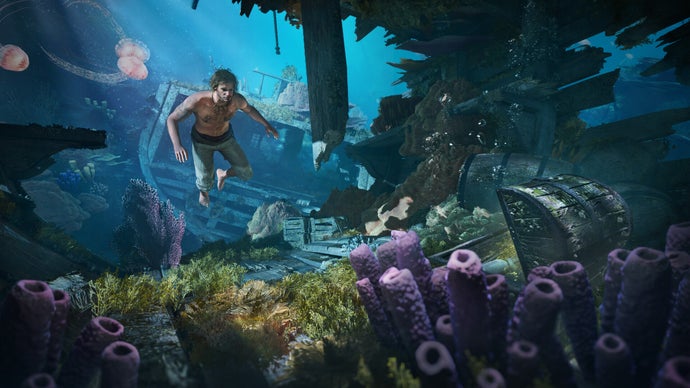
Ubisoft's Black Flag Resynced has emerged as the biggest Assassin's Creed launch on Steam, generating massive revenue despite ongoing developer layoffs and player backlash.
Key Takeaways
- Black Flag Resynced achieved the most successful Assassin's Creed launch on Steam to date.
- The title generated $22.4 million on Steam on its very first day.
- Total revenue has surpassed $35 million, outperforming recent titles like Shadows and Valhalla.
- Microtransactions and expensive DLCs have sparked criticism and review-bombing among fans.
Ubisoft is witnessing a massive financial windfall with the release of Assassin's Creed Black Flag Resynced. According to recent data from Alinea Analytics, the title has officially become the most successful Assassin's Creed launch on the Steam platform. This commercial triumph comes at a paradoxical time, as Ubisoft has simultaneously undergone significant layoffs affecting the very developers responsible for such high-caliber releases.
Dominating the Steam Market
The financial metrics are staggering. As of July 13th, the game has sold approximately 701,000 copies on Steam, generating roughly $35 million in revenue. On its launch day alone, the game pulled in $22.4 million—a figure that is 2.35 times higher than the launch day revenue of Assassin's Creed Shadows ($9.5 million). This momentum has allowed the title to pull significantly ahead of previous installments like Valhalla and Mirage in terms of total revenue generated on the platform.
A Shift in Distribution Strategy
Industry analysts point toward a pivot in Ubisoft's distribution model as a key driver for this success. Historically, the publisher prioritized its proprietary Ubisoft Connect platform. However, following a string of underperforming titles such as Star Wars Outlaws, the company shifted its focus toward Steam. This strategic move has allowed the franchise to tap into a much larger, more active player base, resulting in unprecedented sales figures.
Monetization Controversy
Despite the soaring revenue, the game has not escaped scrutiny. The inclusion of cosmetic microtransactions and high-priced DLC bundles—some costing upwards of $85—has drawn sharp criticism from the community. This dissatisfaction led to instances of review-bombing, as players voiced concerns over the perceived greediness of the monetization model. While critics acknowledge the game as a high-quality way to revisit the 2013 classic, many argue that the modern additions feel somewhat disjointed and 'wonky' compared to the original masterpiece.