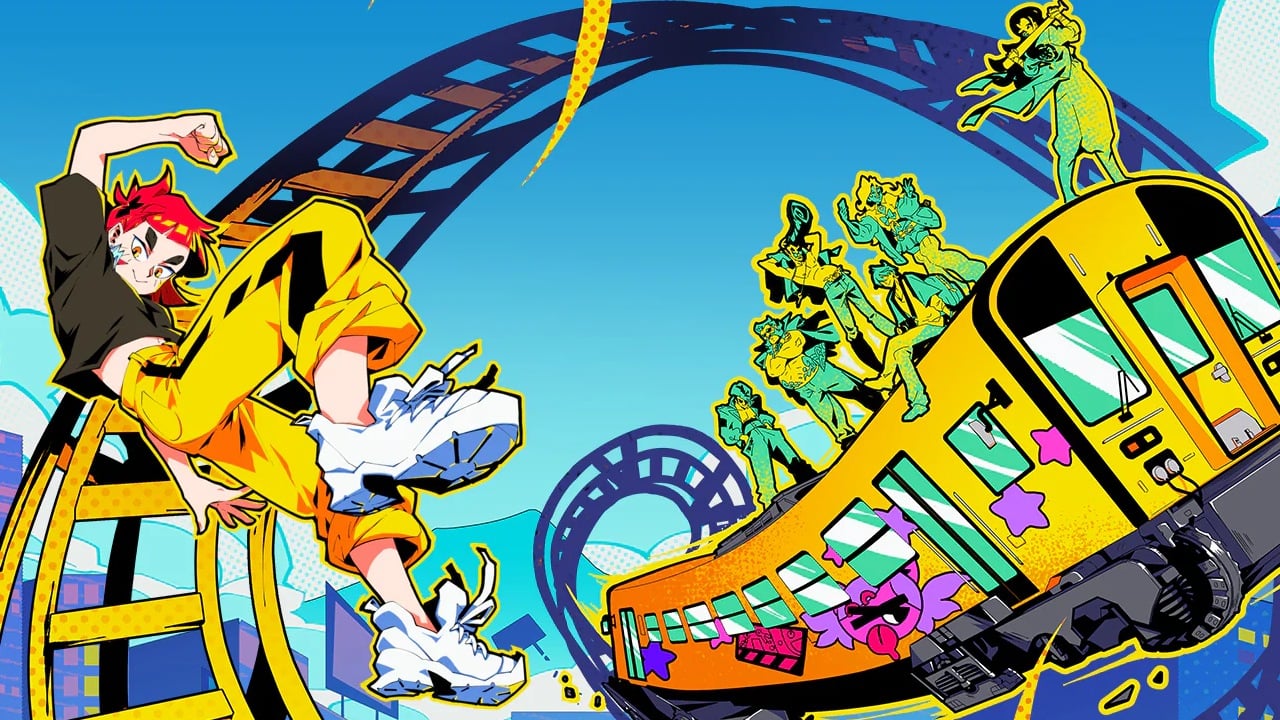
‘Denshattack!’ thrills with its high‑octane arcade feel, yet its difficulty spikes under the glossy surface. The game fuses skate‑trick mechanics with neon‑lit anime train visuals, demanding precise timing and relentless practice.
Key Takeaways (मुख्य बिंदु)
- Combines Tony Hawk skate‑trick mechanics with train‑themed anime aesthetics
- Visually striking neon‑lit environments that attract both anime and gaming fans
- Steep learning curve requires precise timing and strategic combo building
Denshattack! is an indie title that reimagines the classic Tony Hawk skateboarding formula on a moving train set against a vibrant anime backdrop. By transplanting the trick‑based gameplay onto a high‑speed locomotive, the developers have created a fresh niche that appeals simultaneously to skate‑trick enthusiasts and anime lovers seeking a kinetic visual experience.
Gameplay Mechanics and Controls
The core loop mirrors the original Tony Hawk series: players chain together tricks to rack up points, but instead of ramps and rails, they execute flips, spins, and grind‑like maneuvers on the train’s deck, its carriages, and surrounding neon‑lit tracks. The control scheme is responsive, yet the sheer number of button combos—especially in “Breeze” mode—can overwhelm newcomers. Mastery hinges on split‑second timing, as any mistimed input sends the avatar crashing into the train’s interior, ending a combo instantly.
Visual Aesthetic and Anime Influence
Visually, Denshattack! embraces what many call “neo‑anime” design: saturated neon colors, stylized character models, and kinetic camera movements that feel like a short anime episode. The soundtrack blends J‑pop beats with electronic synths, reinforcing the high‑energy atmosphere. This artistic direction sets the title apart from typical indie games, making each level feel like a moving tableau rather than a static stage.
Difficulty Curve and Player Retention
Initial impressions can be deceiving. Early levels present relatively simple combos, luring players into a false sense of ease. However, as the game progresses, combos become exponentially more demanding, introducing multi‑directional flips, rapid succession tricks, and precise landings on moving train components. This deliberate steepening of difficulty is designed to keep high‑skill players engaged and to foster a competitive community around leaderboards and speed‑run challenges.
Community Response and Future Outlook
Since its launch, Denshattack! has cultivated a modest but passionate fanbase. Streamers and Twitch personalities have showcased their high‑score runs, propelling the hashtag #Denshattack to trend within niche gaming circles. Critics praise the game's inventive mash‑up but note that additional tutorial content and a robust multiplayer mode could broaden its appeal. Upcoming patches are rumored to introduce new train skins, expanded anime‑style environments, and an online leaderboard, all of which could cement its status as a staple in the indie‑gaming arena.
In sum, Denshattack! is more than a flashy diversion; it is a strategically layered, visually captivating experience that challenges both reflexes and creativity, positioning itself as a standout title for fans of skate‑trick gameplay and anime aesthetics alike.