An analytical critique of 'The Blood of Dawnwalker,' arguing that the trend of providing secret 'perfect' solutions to moral dilemmas strips RPGs of their emotional weight.
- Players are calling for RPGs to embrace permanent, painful consequences for hard choices.
- 'The Blood of the Dawnwalker' undermines its own tension by offering a secret third option to save characters.
- The contrast is drawn between modern 'safe' design and the brutal efficiency of titles like 'Mass Effect'.
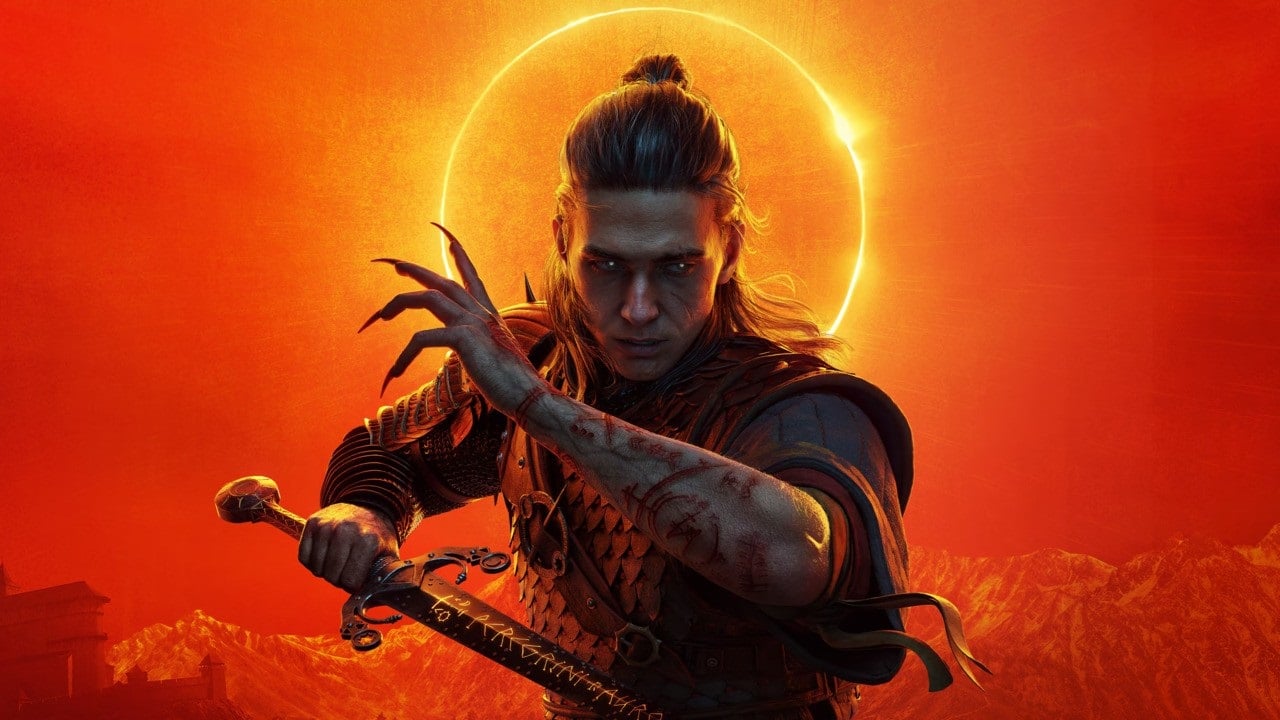
In the latest release from Rebel Wolves, The Blood of Dawnwalker, players are finding a recurring issue that plagues modern RPG design: the 'coward's way out.' While the game is mechanically sound, it suffers from a tendency to shield the player from the emotional fallout of their own decisions.
The core of the issue lies in a specific quest involving a character named Iulian. The player is presented with a brutal choice: sacrifice Iulian to weaken a powerful vampire lieutenant for an easier fight, or refuse the sacrifice and face a grueling battle. This setup creates a delicious friction between the player's desire for convenience and their moral compass.
Why This Matters
BozokMedia analysis shows that when developers implement 'get out of consequence jail free' cards, they effectively neutralize the stakes of the game. If every tragedy can be averted through a hidden quest or a high-level stat, the moral weight of the choice vanishes, leaving the player feeling cheated of a genuine experience.
"Having choices in gaming is good, but having hard choices—those with no perfect resolution—is what creates legendary storytelling."
The frustration peaks when the game reveals a secret workaround—harvesting a gland from a giant lizard to counteract the poison. While this provides a 'happy ending,' it acts as a release valve that kills the tension. The player is no longer wrestling with a moral crisis; they are simply solving a puzzle.
This stands in stark contrast to the design philosophy of Mass Effect. In that series, the choice between Ashley and Kaiden was absolute. There was no secret lizard gland to save both. The player had to live with that loss throughout the trilogy, which cemented the emotional bond with the world and the characters.
| Feature | Modern 'Safe' RPGs | Classic 'Hard' RPGs |
|---|---|---|
| Moral Choices | Often have a hidden 'perfect' solution. | Permanent and irrevocable consequences. |
| Player Experience | Comfortable and satisfied. | Emotional conflict and lingering regret. |
| Narrative Impact | Surface-level and predictable. | Deep, personal, and haunting. |
Frequently Asked Questions
1. What is the main criticism of The Blood of the Dawnwalker?
The game is criticized for providing secret ways to avoid the negative consequences of tough moral choices, which reduces the emotional impact.
2. Why does the author mention Mass Effect?
To illustrate how permanent, impossible choices can make a game's story more impactful and memorable for the player.