Nintendo's upcoming Ocarina of Time remake is facing scrutiny over its artistic direction. While the world is breathtaking, the protagonist Link appears jarringly out of place to many critics.
- The remake aims for a faithful 1:1 recreation of the N64 original.
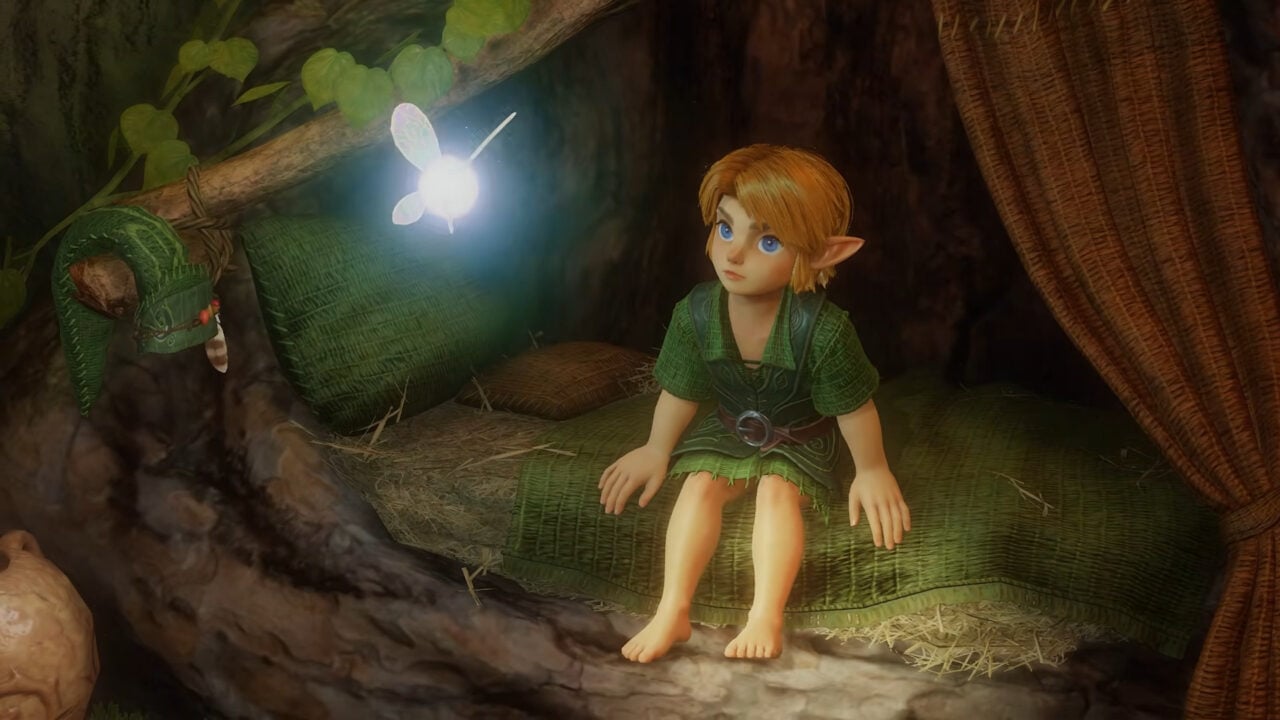
- Young Link's design suffers from an 'uncanny valley' effect due to over-detailing.
- Environmental assets and NPCs are praised, creating a visual mismatch with the hero.
The Legend of Zelda: Ocarina of Time remake was always destined to be a divisive project. When dealing with a title so deeply ingrained in collective nostalgia, Nintendo faced an impossible task: balance absolute faithfulness with modern expectations. While the technical leap is evident, the result is a strange juxtaposition where the world feels alive, but the hero feels artificial.
In recent gameplay demos, the reimagined Kakariko Village is an emotional triumph, blending lush lighting with nostalgic architecture. However, the 'Hero of Time' himself struggles to fit into this vivid landscape. Young Link’s piercing blue eyes and rounded, emotionless cheeks give him a puppet-like quality, reminiscent of the eerie creatures in Jim Henson’s Labyrinth. This lack of expression was a technical limitation in 1998, but in a modern engine, it feels like a deliberate, yet misguided, choice.
Why This Matters
BozokMedia analysis shows that visual cohesion is the backbone of immersion. When a character is 'over-designed'—meaning they have too much fidelity compared to the surrounding world—they become a visual outlier. In this remake, Link possesses a level of detail that exceeds the NPCs, making him look like he was imported from a different game entirely.
"High fidelity without emotional resonance often results in the uncanny valley, where a character looks human but feels wrong."
The contrast is stark when comparing Link to characters like Saria. Saria’s design is adorable and perfectly attuned to the world's lighting and dialogue. She feels like a resident of Hyrule. Link, conversely, looks like an aging toy brought back to life. A particularly jarring moment occurs when Link emerges from water; the lighting creates an uncanny sheen that makes him look more like a subterranean creature than a forest child.
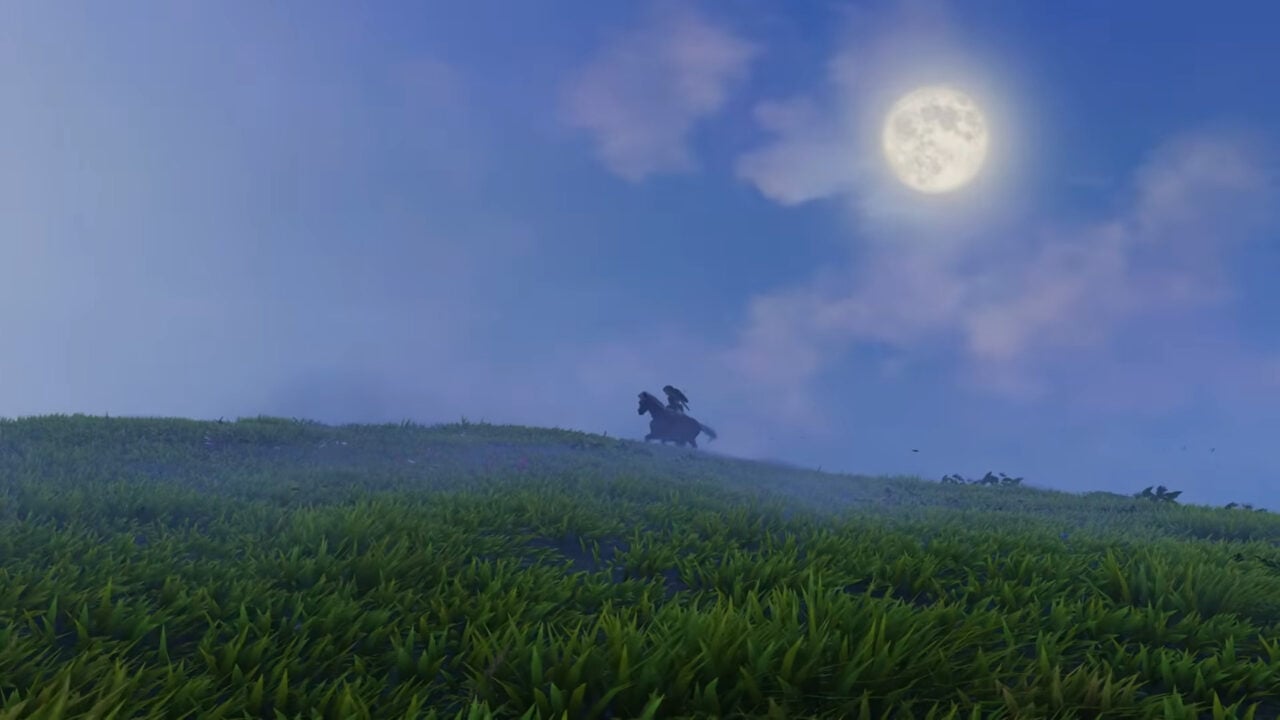
This issue is magnified in Castle Town. The NPCs here maintain proportions closer to the original game, albeit with more detail. Because they aren't 'stuffed with fancy bells and whistles,' they belong. Link only looks natural when isolated in the swaying grass of Hyrule Field, where the maximum fidelity of close-up shots isn't contrasted against other characters.
| Feature | Original N64 Version | Modern Remake Version |
|---|---|---|
| Graphics | Low-poly, abstract | High-fidelity, photorealistic lighting |
| Link's Appearance | Simple due to hardware limits | Over-detailed, expressionless |
| Core Gameplay | Foundational 3D adventure | 1:1 Remake with QoL improvements |
Frequently Asked Questions
1. Is the gameplay changing in the remake?
Nintendo is delivering a largely 1:1 experience, focusing on quality-of-life improvements rather than a total reimagining.
2. Why is Link's look being compared to 'cursed' videos?
Because the high level of realism applied to a stylized character often creates a 'cursed' or unsettling effect, similar to fan-made Unreal Engine 5 experiments.