Sega is pivoting toward a 'Disney-style' business model, prioritizing merchandise and multimedia expansion to attract non-gamers. President Shuji Utsumi also reveals the reasons behind the high-profile cancellation of the 'Super Game'.
- Sega is targeting 'non-playing fans' through merchandising and multimedia expansion.
- President Shuji Utsumi is applying licensing strategies learned from his tenure at Disney Interactive Asia.
- The ambitious 'Super Game' project was canceled due to escalating costs and operational complexity.
- The company is leveraging nostalgia with legacy IPs like Crazy Taxi to drive growth.
In a strategic shift that signals a new era for the gaming giant, Sega President and COO Shuji Utsumi has revealed that the company is no longer focusing solely on the people who hold the controller. In an expansive interview with Nikkei, Utsumi detailed a vision where the boundaries between 'gamer' and 'fan' are blurred, aiming to monetize the emotional connection people have with their intellectual properties (IP) regardless of whether they ever play the actual games.
Utsumi pointed to the Like a Dragon series as a prime example of this phenomenon. According to company data, approximately 60-70% of the series' merchandise is purchased by women, many of whom have become fans of the story and characters through YouTube streams and social media rather than direct gameplay. By recognizing these individuals as fans, Sega is opening new revenue streams that are less dependent on the volatile software market.
Why This Matters
BozokMedia analysis shows that Sega is reacting to a critical industry inflection point. As development costs for AAA titles skyrocket and supply chain instabilities persist, relying solely on unit sales is a risky gamble. By diversifying into 'transmedia'—clothing, stationery, and concerts—Sega is insulating itself from the risks of game development failures while building a cultural footprint similar to that of a movie studio.
The transition from a 'toy-maker' mindset to an 'entertainment powerhouse' is the only way for legacy gaming brands to survive in the attention economy.
The inspiration for this pivot comes directly from Utsumi's professional history at Disney Interactive Asia. He envisions a synchronized calendar where game releases are paired with aggressive licensing deals, ensuring that when a character trends, the merchandise is already on the shelves. This approach mirrors the global success of anime, where music and apparel often reach a wider audience than the source material itself.
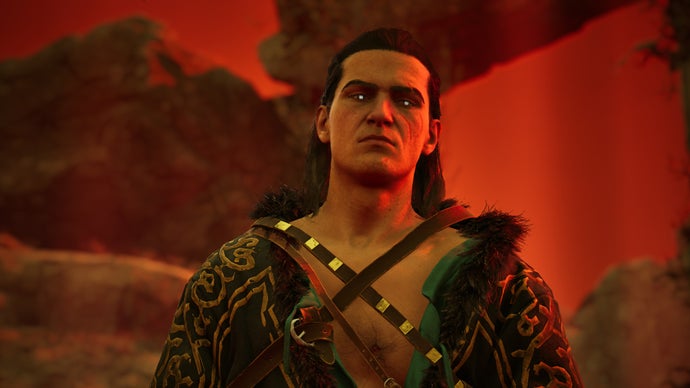
However, this transition hasn't been without casualties. Utsumi addressed the cancellation of the 'Super Game', a massive game-as-a-service (GaaS) project. While Sega wanted a global-scale hit to anchor its IP, the scale of investment and operational overhead became unsustainable. The company determined that the financial risk outweighed the potential reward in the current global economic climate.
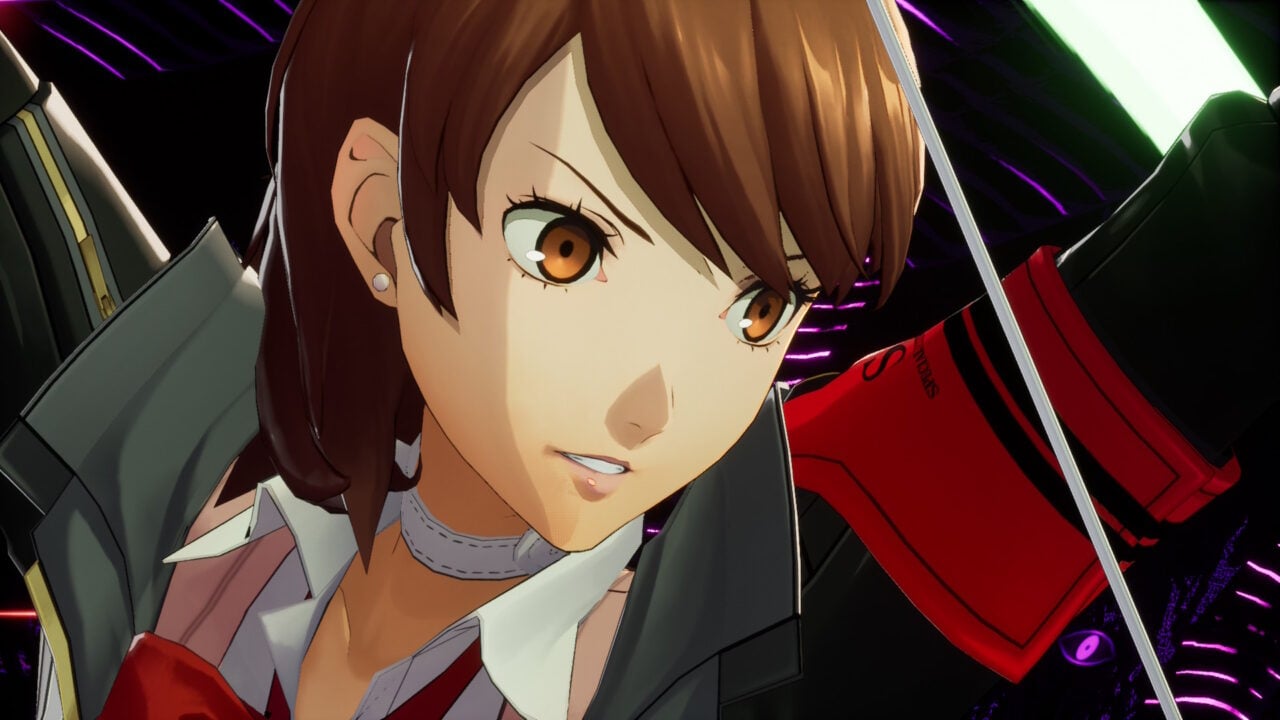
Looking forward, Sega is doubling down on nostalgia. The revival of legacy titles like Crazy Taxi is designed not just for the GenX and Millennial gamers who remember the arcade days, but as a vehicle for further transmedia expansion. Whether it is a Persona fan attending a concert or a Sonic fan who simply likes the aesthetic, Sega now views every point of contact as a victory.
Frequently Asked Questions
Q: Why did Sega cancel the 'Super Game'?
A: The project was canceled because the scale of investment and operational costs grew too large to be sustainable given current global economic circumstances.
Q: Does Sega still care about actual gamers?
A: Yes, but they are expanding their definition of a 'fan' to include people who engage with the brand via merchandise and media, viewing them as equally valuable to the company's growth.