Delhi University warned students to stay away from Jantar Mantar protests, prompting actress‑director Pooja Bhatt to condemn the advisory and demand protection of students' right to speak. Her remarks highlight growing student anger over the NEET leak and calls for accountability.
Key Takeaways
- DU issued an advisory urging students to avoid Jantar Mantar gatherings.
- Pooja Bhatt labeled the advisory as a suppression of student voices.
- The protests demand Education Minister Dharmendra Pradhan’s resignation over the NEET paper leak.
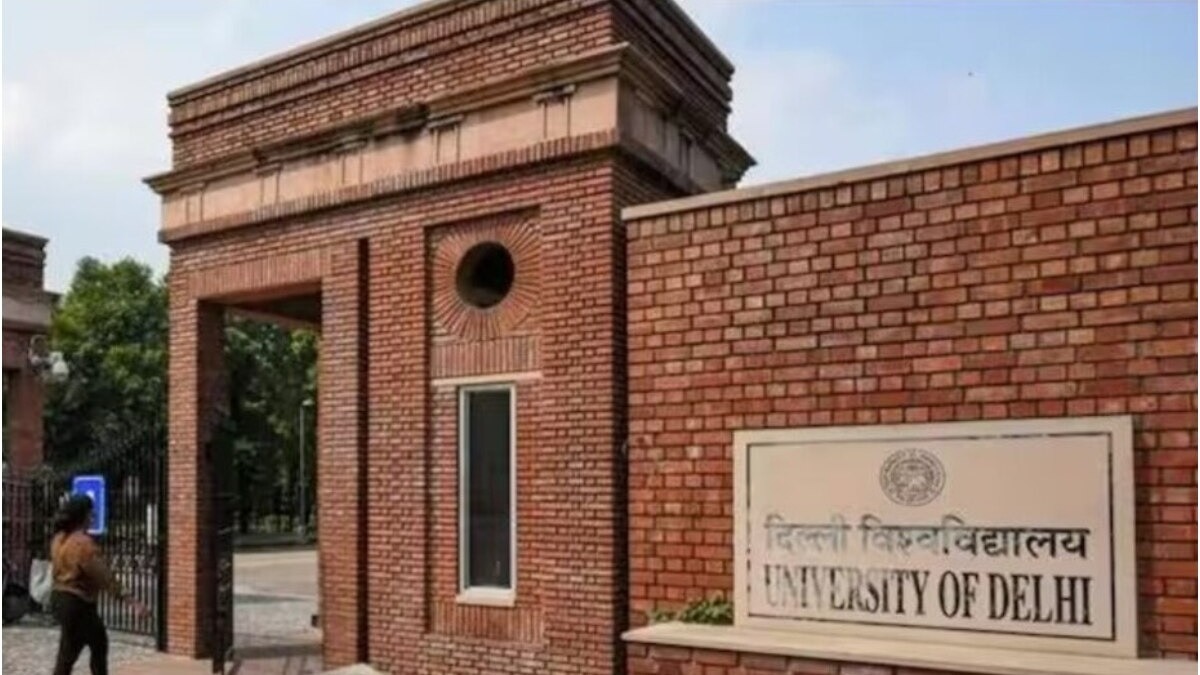
On July 23, Delhi University posted a social‑media notice asking students and faculty to stay away from what it termed "unlawful assemblies" at Jantar Mantar. The advisory warned of legal consequences, safety risks, and the spread of fake content, emphasizing compliance with Supreme Court directives.
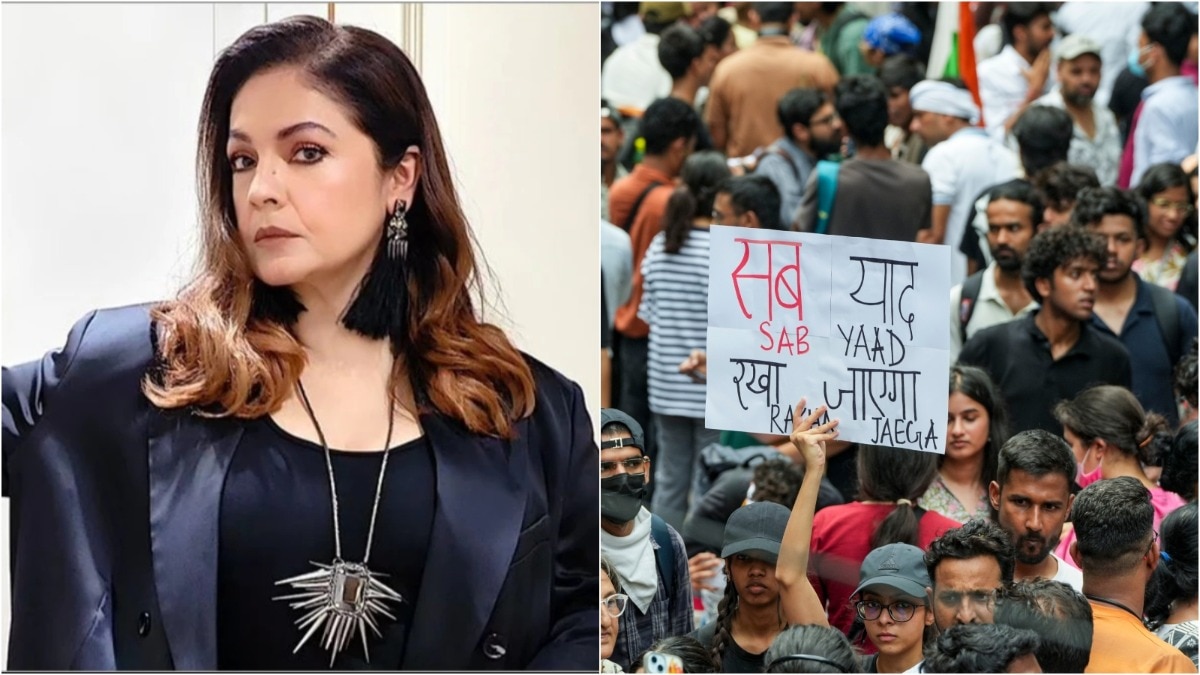
Hours later, actress‑director Pooja Bhatt shared the same notice on X (formerly Twitter) and sharply criticized it, writing, "If we are truly invested in their future, we must support their right to speak out rather than maintain a conspiracy of silence." Her statement amplified the discourse around student rights and institutional authority.
The protests, organized by the Cockroach Janta Party (CJP), center on demands for Education Minister Dharmendra Pradhan’s resignation after allegations of a NEET exam paper leak. Similar demonstrations have erupted in Mumbai and Bengaluru, reflecting nationwide student unrest.
Historical Background
Student activism has long shaped India’s political landscape, from the 1970 anti‑caste movements to the 1990s anti‑corruption rallies. The NEET leak controversy has repeatedly sparked large‑scale protests, making this latest wave a continuation of a broader struggle for transparency in education.
Why This Matters
BozokMedia analysis shows that suppressing student voices can lead to heightened campus unrest and erode public trust in educational institutions, making the DU advisory a pivotal moment for civil discourse in India.
"Universities must balance safety with the fundamental right to free expression," notes Dr. Anita Singh, professor of sociology.
Frequently Asked Questions
Question 1: Does the advisory legally prohibit students from attending Jantar Mantar?
Answer: The advisory advises caution against "unlawful" gatherings but does not constitute a legal ban.
Question 2: What impact could Pooja Bhatt’s criticism have?
Answer: It may rally public support for the protests and increase pressure on authorities to reconsider the advisory.