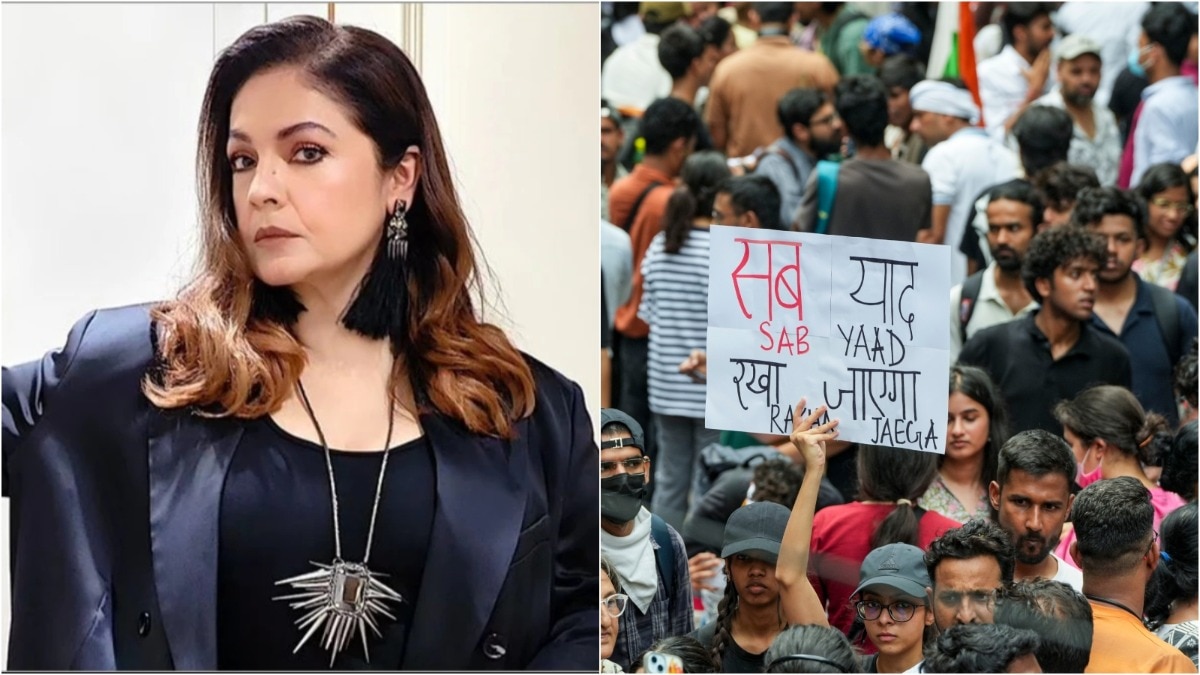
After 27 days of fasting, Sonam Wangchuk ended his hunger strike following a meeting with senior government officials. While his decision signals a shift in tactics, the future of the protest remains uncertain.
Key Takeaways
- Sonam Wangchuk ends his 27‑day hunger strike
- Home Minister JP Nadda meets him in Medanta and offers juice
- Unclear next steps for the broader movement
Immediate Developments
At 12:30 a.m. on the 27th day, Sonam Wangchuk broke his fast after receiving juice from Home Minister JP Nadda at Medanta. The decision came after consultations with senior BJP leaders, including Jitendra Singh, and signals a tactical shift for the protest.
Public Reaction and Previous Struggles
Wangchuk’s hunger strike has drawn nationwide attention, sparking both solidarity rallies and criticism across social media platforms. His earlier campaigns on climate action and education reform have similarly mobilized public opinion, underscoring his role as a persistent reformist.
Historical Background
Sonam Wangchuk, a renowned educationist from Himachal Pradesh, founded the innovative Dr. APJ Abdul Kalam School in 2010. He later pioneered water‑conservation initiatives in 2016, often clashing with state authorities. This latest fast continues his pattern of direct action to force policy change.
Why This Matters
BozokMedia analysis shows that Wangchuk’s hunger strike is more than a personal protest—it reflects growing civil‑society frustration with governmental inertia. If the movement sustains momentum, it could compel policymakers to engage more earnestly on environmental and educational reforms.
"Wangchuk’s decision marks a strategic inflection point for grassroots activism, pressuring the government toward greater accountability."
Frequently Asked Questions
Q1: Will Sonam Wangchuk resume his hunger strike?
A: He has not announced any further fasting, stating he will pursue his objectives through all lawful means.
Q2: How might this protest affect national politics?
A: Analysts believe the movement could push legislators to reconsider policies on climate change and education, potentially reshaping political discourse.