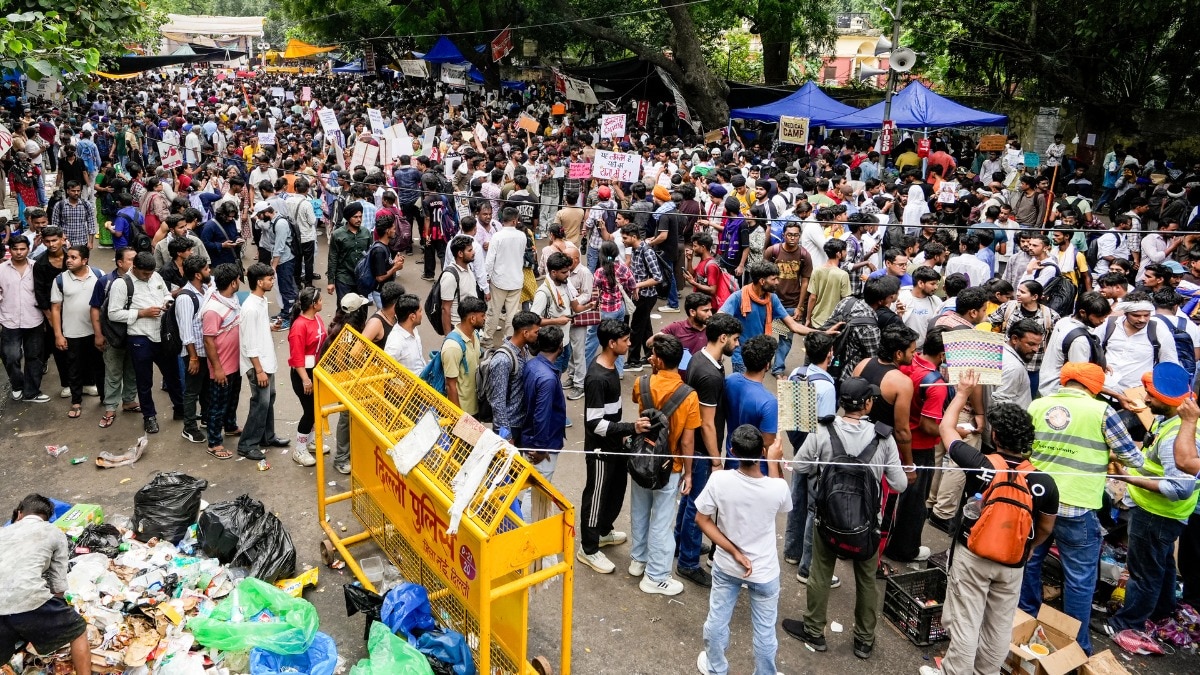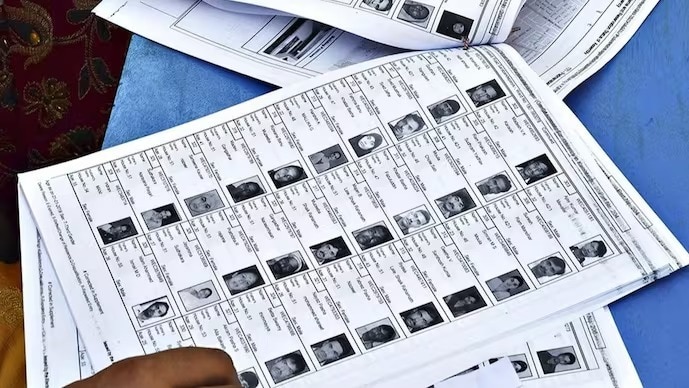
During the Special Intensive Revision (SIR), Jharkhand uncovered more than 6 lakh deceased voters among 26 lakh uncollectable enumeration forms. Ranchi district recorded the highest number of dead voters, while the enumeration drive reached 99.58% of the electorate.
Key Takeaways
- Over 6 lakh dead voters identified
- Ranchi tops the list with the most deceased electors
- Enumeration reached 99.58% of the state’s electorate
The door‑to‑door enumeration for the Special Intensive Revision began on June 30 and has already covered 99.58% of Jharkhand’s 2.64 crore voters. By 11 a.m. on Saturday, 2,36,49,659 forms—about 89.37%—were digitised, leaving roughly 26 lakh forms still uncollectable.
Those uncollectable forms comprise 6,14,639 deceased voters, 10,78,577 permanently shifted voters and 5,96,575 untraceable or absent electors. Ranchi alone reported 71,990 dead voters, followed by Khunti with 53,885.
Why This Matters
BozokMedia analysis shows that accurately pruning deceased voters strengthens electoral integrity and curtails potential fraud, setting a benchmark for clean voter rolls across India.
"A precise electoral roll is the backbone of democracy; removing dead names is essential for election security," says election scholar Dr. Anil Mehta.
Frequently Asked Questions
Q1: How long will the removal of dead voters continue?
A: Form collection runs until July 29, with draft rolls to be published on August 5.
Q2: What can a voter do if they find an error in the draft roll?
A: Objections can be filed between August 5 and September 4; the final roll will be released on October 7.