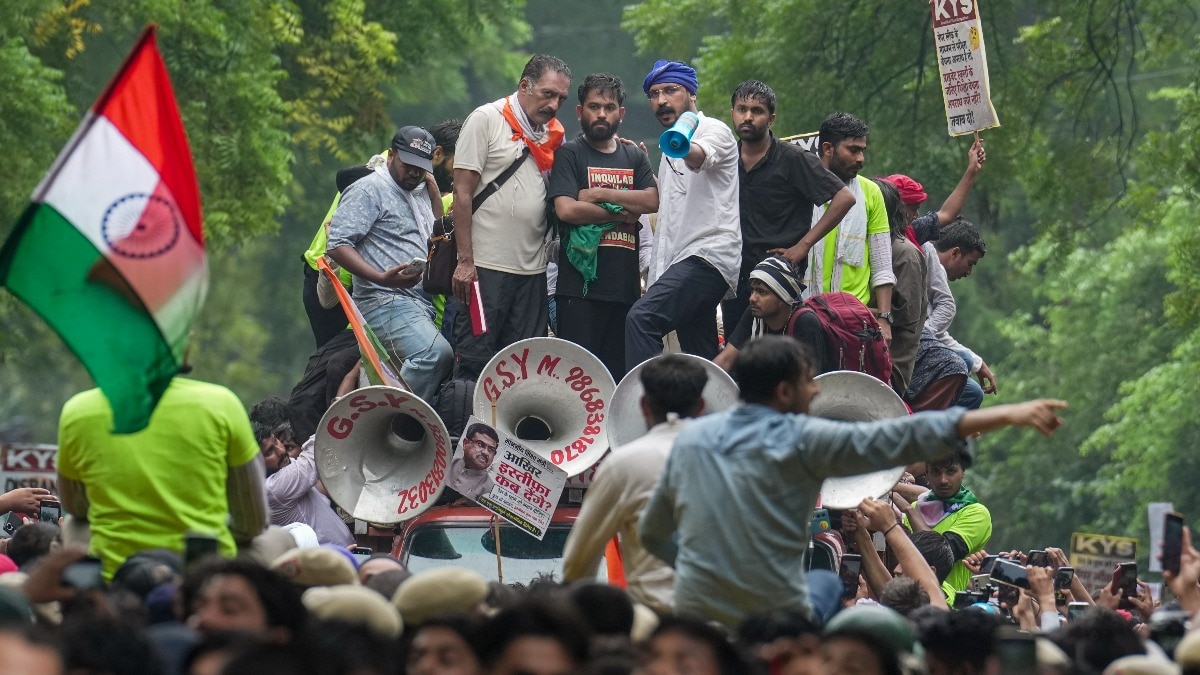
Following the resignation of the education minister, India’s ‘cockroach’ movement has officially called off its protests. The government’s acceptance of key demands prompted the withdrawal, signaling a shift in future education reform strategies.
Key Takeaways
- Education minister’s resignation ends the ‘cockroach’ protests
- Government accepted key demands, prompting withdrawal
- Potential shift in protest tactics for future education reforms
After a night of intense developments in Delhi, the National Student Union (CJP) announced the cessation of its agitation. The decision coincided with Central Education Minister Dharmendra Pradhan stepping down, effectively removing the movement’s primary catalyst.
Within hours, the government acceded to the core demands of the student body, including greater institutional autonomy and reforms to the examination system. This concession led CJP leaders to call off the planned demonstrations.
Historical Background
The ‘cockroach’ movement erupted in late 2023, driven by student discontent over the prevailing education policy. It quickly spread across major Indian cities, dominating social media discourse and prompting nationwide debates.
Why This Matters
BozokMedia analysis shows that the abrupt end of the protests signals a possible new trajectory for India’s education policy. The swift governmental response suggests a growing preference for dialogue‑based resolutions in future disputes.
"Stability and transparency in the education ministry will be the cornerstone of reforms for the next decade," says education policy expert Dr. Anita Sharma.
Frequently Asked Questions
Question 1: Will a similar movement re‑emerge in the future?
Answer: Experts believe that if educational reforms stall, a new wave of protests could arise, possibly in a different format.
Question 2: What prompted the education minister’s resignation?
Answer: Officially, personal reasons were cited, but many analysts attribute the decision to mounting pressure from the protests.