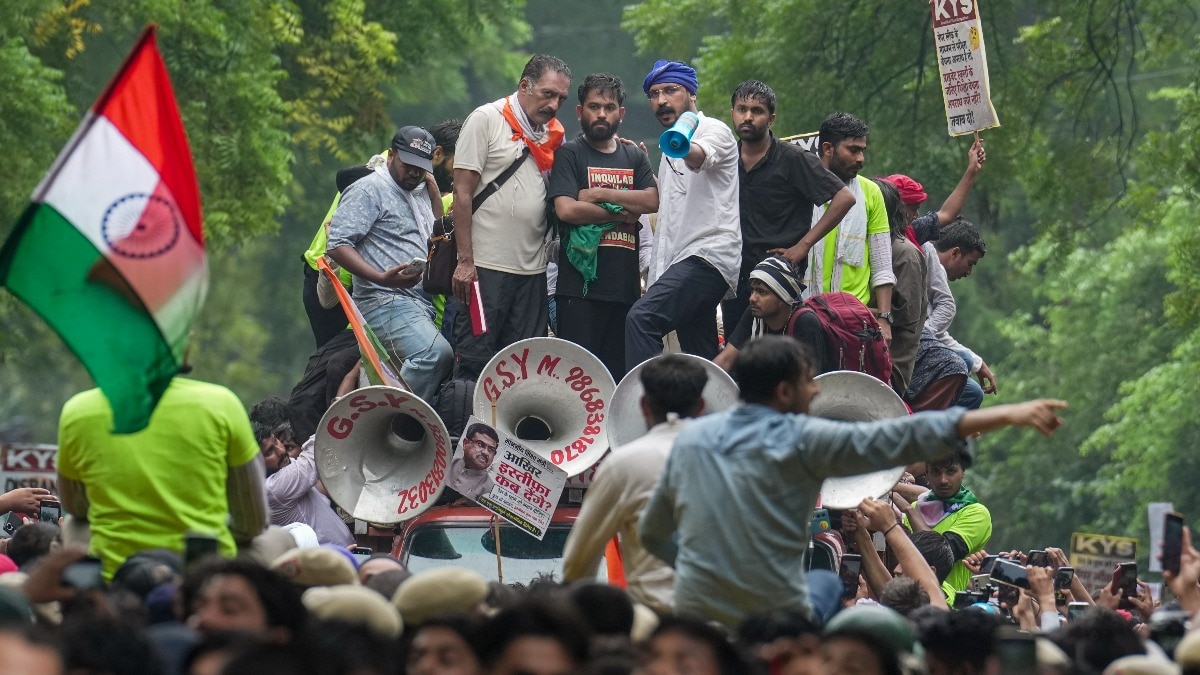
Prime Minister Narendra Modi's recent concession to protester demands signals a new direction for India's youth activism. Bloomberg's live Q&A brought experts together to dissect the potential ramifications of this shift.
Key Takeaways
- Modi accepts protester demands
- Renewed energy in youth movement
- Potential shift in government policy
During Bloomberg's live Q&A, leading analysts examined the next phase for India's youth movement after Prime Minister Narendra Modi formally acknowledged recent protests. Representatives from major media outlets offered diverse perspectives on the political and social implications.
In recent months, Indian youth have taken to the streets over civil liberties, climate concerns, and economic disparity. The government's concession lends legitimacy to the protests, prompting strategic recalibrations within activist circles.
Historical Background
India's youth activism dates back to the Emergency of the 1970s and the 2010 anti-corruption wave (the Anna Hazare movement). Each era reshaped national discourse, and today's moment may prove equally transformative.
Why This Matters
BozokMedia analysis shows that when a government validates protester demands, the youth movement gains institutional leverage, potentially accelerating policy reforms across education, employment, and environmental sectors.
"Government acknowledgment empowers youth activism, turning street pressure into lasting legislative change," says Dr. Anita Singh, Professor of Social Sciences.
Frequently Asked Questions
Question 1: Will Modi's concession calm the youth movement?
Answer: Analysts believe it may provide a temporary lull, but long‑term dynamics will depend on emerging demands and strategies.
Question 2: What policy changes can be expected?
Answer: Reforms in education, job creation, and environmental regulation are likely, reflecting the core priorities of the younger generation.