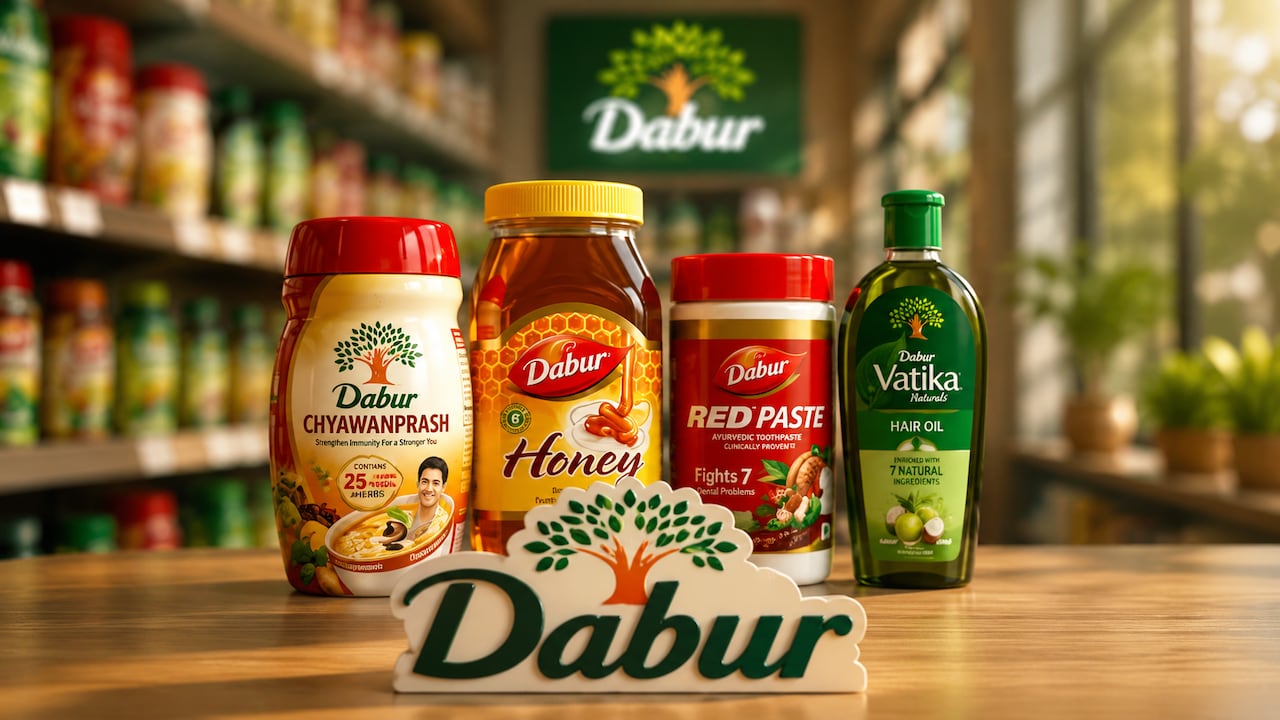
India’s Food Safety and Standards Authority (FSSAI) has served a prohibition order to Dabur India Ltd for using misleading ‘100 percent’ claims on its honey and coconut oil products. The move aims to protect consumers from deceptive labeling.
Key Takeaways
- FSSAI bans Dabur’s use of ‘100%’ claims on certain products.
- The affected items include honey and coconut oil.
- Regulators are tightening enforcement to safeguard consumer trust.
FSSAI announced on Monday via its official social media channels that it has issued a prohibition order against Dabur India Ltd over the use of “100 per cent” claims on food products deemed misleading.
Dabur is now required to remove any “100% pure” or “complete” assertions from the packaging of its honey and coconut oil lines. The authority emphasized that such claims must be backed by scientific evidence or certified testing.
Historical Background
India has witnessed several high‑profile food labeling violations in recent years. In 2020, a major spice manufacturer faced a similar ban, prompting industry-wide discussions on the need for rigorous label verification. These actions are viewed as essential to restore consumer confidence.
Why This Matters
BozokMedia analysis shows that misleading “100%” claims can erode consumer trust and invite legal challenges, making regulatory vigilance crucial for market integrity.
Accurate labeling is fundamental to consumer protection; otherwise market confidence suffers.
Frequently Asked Questions
Q1: Can Dabur resume sales of the affected products?
A: Yes, but only after removing the “100%” claims and relabeling accordingly.
Q2: What penalties could Dabur face for non‑compliance?
A: FSSAI can impose fines and order the removal of non‑compliant products from the market.