A young physician at Shastri Nagar Hospital was violently assaulted, leaving her traumatized. Despite the main suspect's arrest, she is weighing resignation as her family raises serious safety and mental‑health concerns. The attack sparked widespread doctor protests, halting routine OPD services while emergency care persisted.
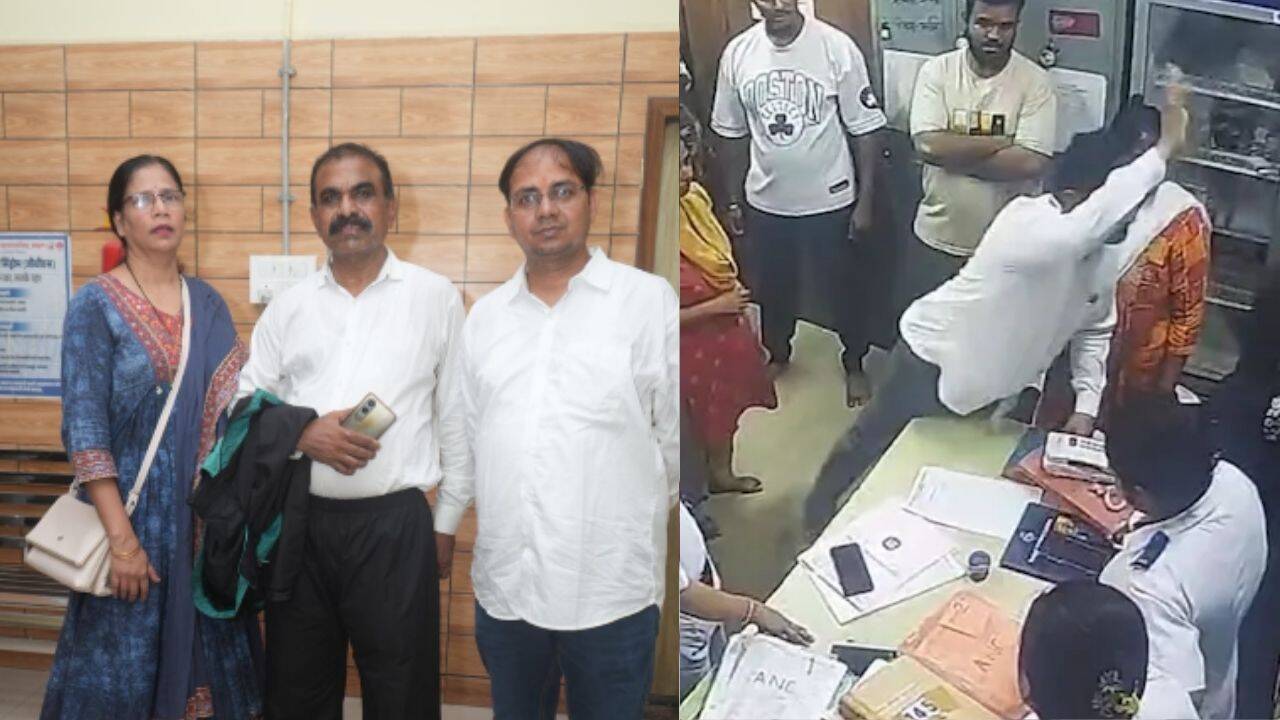
In a shocking incident at Shastri Nagar Hospital, Dombivli, a young doctor was brutally attacked, raising alarm bells across the medical community. The assailant, identified as a Shiv Sena corporator with strong local political clout, was apprehended shortly after the assault, yet the victim remains deeply shaken and is contemplating leaving her position.
Incident Details and Immediate Response
Dr. Riya Sharma, 28, served in the hospital's emergency department. On the afternoon of July 15, a group of men surrounded her and launched a physical assault, causing head injuries and multiple bruises. Hospital officials filed a FIR and summoned the police, who arrested the primary accused within hours. However, Dr. Sharma reports that the trauma extends far beyond physical wounds.
Family Concerns and Psychological Impact
Sharma’s family publicly expressed grave concerns about her mental well‑being. “She can’t sleep at night; she lives in constant fear,” her brother told reporters. The family demanded enhanced security measures and a guarantee that no further attacks would occur before she feels safe to return to work.
Doctors’ Protest and Disruption of Services
In solidarity, doctors across Mumbai and Maharashtra launched a series of protests, suspending routine outpatient department (OPD) services. Only emergency care remained operational, forcing patients with non‑critical ailments to seek alternatives or endure delays. The strike highlighted the precarious safety environment for healthcare workers and forced administrators to reassess security protocols.
Future Outlook and Policy Recommendations
Experts argue that robust legal deterrents, 24‑hour security personnel, CCTV surveillance, and panic‑button systems are essential to protect medical staff. Moreover, clear guidelines must be issued to prevent political interference in healthcare facilities. Without decisive action, similar attacks risk recurring, eroding public confidence in the health system.