The Cardiology Society of India’s new guidelines mandate a lipid profile at age 17 and a cardiac CT scan between 35‑40, aiming to curb the rising tide of early‑onset heart disease in the country.
In recent years India has witnessed a sharp rise in heart attacks among people under 40, with many fatalities occurring in seemingly healthy young adults. In response, the Cardiology Society of India (CSI) has issued fresh preventive‑screening guidelines, highlighted by renowned cardiologist Dr. Devi Shetty.
Background and Statistics
According to the World Health Organization, India records roughly 2.8 million new cardiovascular cases annually, and over 20 % of these patients are younger than 40. Poor diet, sedentary lifestyles, tobacco use and genetic predisposition are identified as the chief drivers of this epidemic.
New CSI Guideline: First Blood Test at Age 17
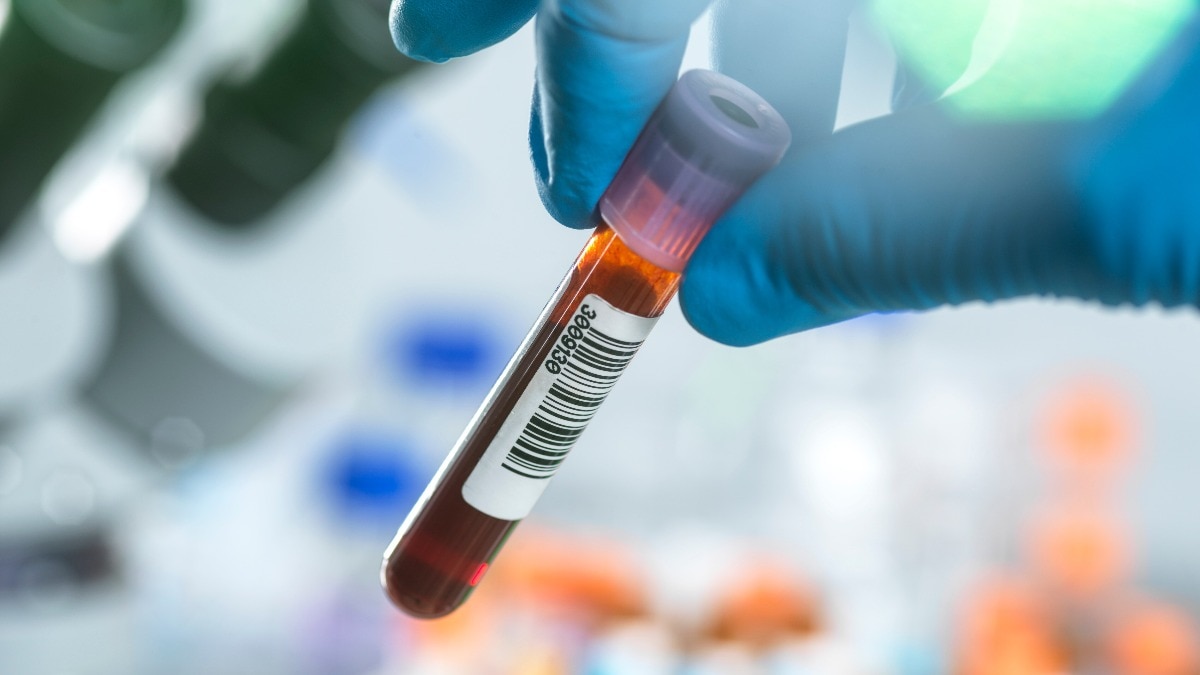
The guideline requires every Indian to undergo at least one lipid‑profile blood test by the age of 17. This test measures total cholesterol, triglycerides, LDL and HDL levels, allowing clinicians to spot abnormal lipid elevations long before symptoms appear. Early detection enables lifestyle interventions—balanced nutrition, regular exercise—to halt disease progression.
Regular Heart Check‑up and CT Scan Between 35‑40
All men (and high‑risk women) aged 35‑40 should incorporate a cardiac CT scan into their annual heart‑health assessment. The non‑invasive scan visualises coronary calcium, plaque build‑up and other structural anomalies with high precision. A normal CT report generally reduces the need for intensive monitoring for the next 7‑10 years, though maintaining a heart‑healthy diet and activity level remains essential.
Family History and High‑Risk Groups
Dr. Shetty emphasizes that individuals with a family history of premature heart attacks should not wait until 30; they ought to undergo comprehensive cardiac evaluation—echocardiography, stress testing—by their early twenties. Similarly, young athletes engaged in marathons, high‑intensity endurance sports are advised to get a baseline cardiac screen before intense training.
Lifestyle Monitoring and Ongoing Surveillance
Regular monitoring of blood pressure, cholesterol and blood sugar should become a daily habit. Any deviation from normal ranges warrants immediate medical consultation and, if needed, pharmacologic therapy. Experts note that a complete heart‑screening package can be completed within an hour, making annual checks both practical and affordable.
Conclusion
Dr. Devi Shetty’s recommendations could reshape India’s cardiovascular‑prevention landscape. By embracing timely tests, adopting healthier lifestyles and adhering to CSI’s guidelines, millions of young lives stand to be saved.