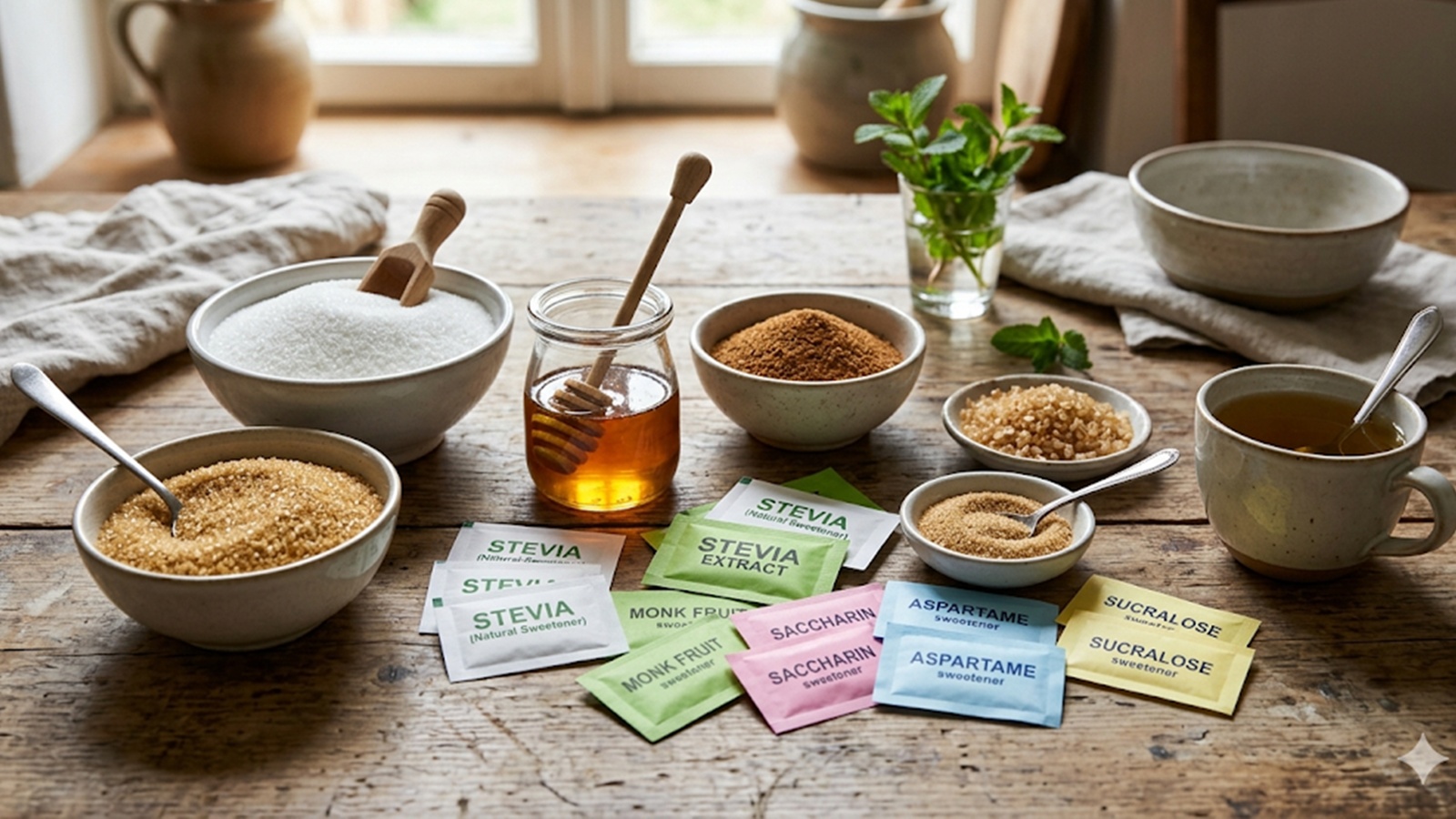
Registered dietitian Shweta J. Panchal evaluated popular sweeteners on a 1‑10 scale based on glycemic impact, nutrition and clinical experience. Monk fruit topped the list, while brown sugar, coconut sugar and artificial sweeteners received the lowest scores.
New Delhi, July 9, 2026 – Registered dietitian Shweta J. Panchal sparked a fresh debate on sugar substitutes after publishing a ranking of common sweeteners on Instagram. Using three criteria – glycemic impact, nutritional value and her own clinical observations – she assigned each sweetener a score from 1 to 10, challenging the pervasive “health halo” that surrounds many low‑calorie alternatives.
Top Performers: Monk Fruit and Honey
Monk fruit earned the highest rating of 8‑9/10, especially for people managing diabetes or seeking to avoid insulin spikes. The fruit‑derived sweetener contains mogrosides, natural compounds with antioxidant properties that do not raise blood glucose. Dates followed closely with a 7‑8/10 score, praised for their fiber content and relatively moderate glycemic index. Honey received a solid 7/10, largely because of its antimicrobial activity and potential gut‑health benefits, despite its higher sugar content.
Middle Ground: Jaggery, Stevia and Raw Sugars
Both jaggery (traditional unrefined cane sugar) and stevia landed at 5/10. While jaggery supplies trace minerals, Panchal emphasized, “in the end, it’s still sugar.” Stevia, a plant‑derived sweetener, has a negligible effect on blood glucose but offers limited additional nutrients. Conventional white sugar, brown sugar and coconut sugar each scored a low 3/10, reflecting Panchal’s view that the body metabolises them in virtually identical ways, regardless of marketing claims.
Artificial Sweeteners: The Lowest Rating
Artificial sweeteners received the minimum possible rating, with Panchal urging consumers to avoid them altogether. She cited concerns raised by recent studies about the impact of aspartame, sucralose and saccharin on gut microbiota, long‑term metabolism and even subtle increases in sugar cravings, despite regulatory bodies deeming them safe.
Expert Perspective: Limits of a Single Scale
Consultant dietitian and diabetes educator Kanikka Malhotra warned that “ranking sweeteners on a single scale is a helpful starting point, but it’s like judging a book by its cover.” She highlighted the importance of glycemic load, which accounts for portion size, and noted that individual responses vary dramatically based on metabolism, gut health and insulin sensitivity. “A teaspoon of honey is worlds apart from three tablespoons, metabolically speaking,” she explained.
Beyond Blood Sugar: Nutrients, Antioxidants and Gut Impact
Malhotra added that a sweetener’s value should also be judged on mineral content, antioxidant capacity and effects on the gut microbiome. In a fiber‑rich, whole‑food diet, a small amount of jaggery behaves very differently than the same amount in a processed‑food‑heavy regimen. She advises using sweetener rankings as a general guide, not a gospel truth.
Current Scientific Consensus and Consumer Guidance
Recent research supports stevia and monk fruit as the most evidence‑backed options for people with diabetes or insulin resistance. Both are considered safe for long‑term use at recommended amounts. However, the bigger health win, according to both Panchal and Malhotra, lies in gradually training the palate to crave less sweetness overall, rather than merely swapping one sweetener for another.
Consumers are encouraged to scrutinise ingredient lists on “sugar‑free” products, watch for hidden sugar alcohols, and align sweetener choices with overall dietary patterns rather than relying on a single ranking.