A contract doctor in Madhya Pradesh was caught accepting a 5,000‑rupee bribe while posted simultaneously in Shahdol, Khargone, and Shyopur, raising serious questions about the state health department’s oversight. The incident highlights systemic gaps in appointment and payroll verification.
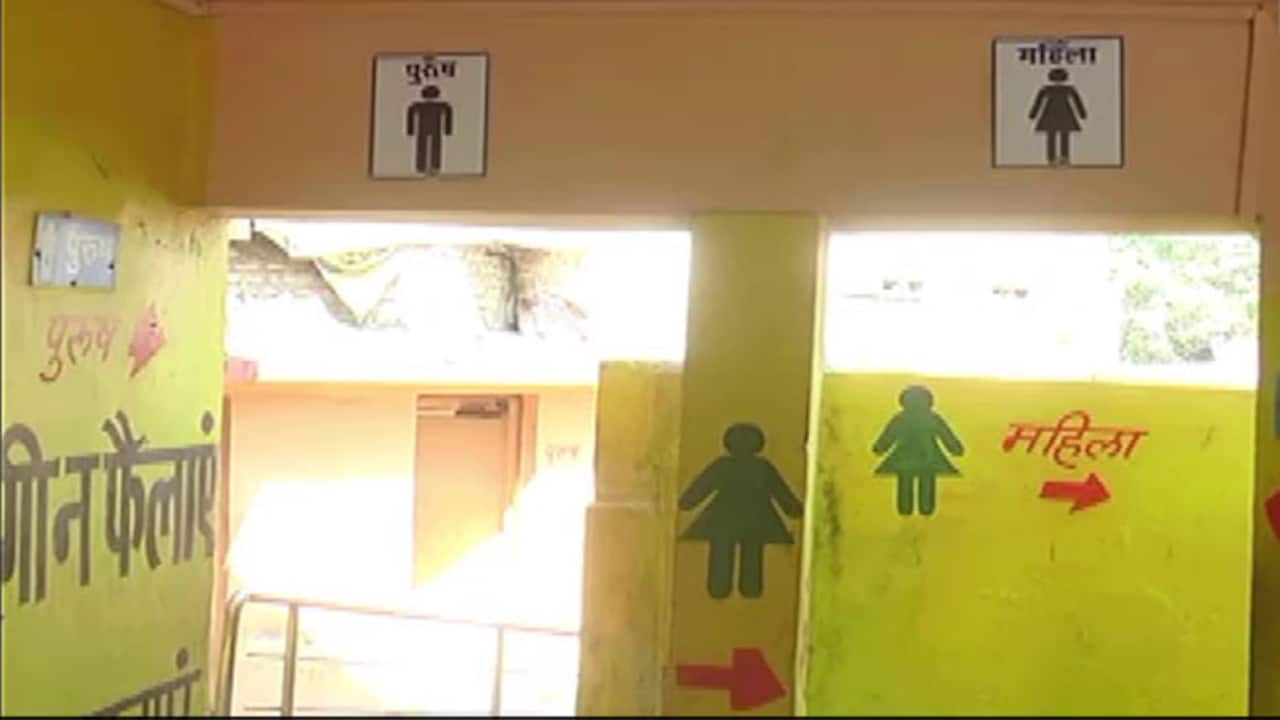
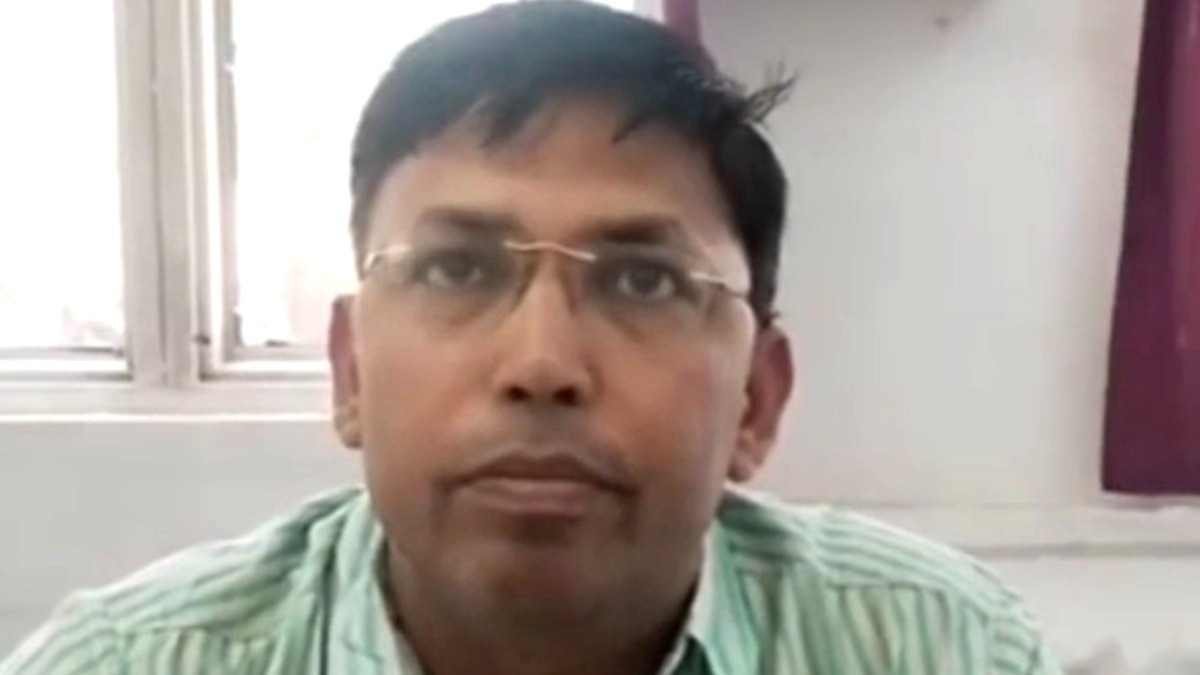
A contract doctor in the Madhya Pradesh health department was apprehended on 3 July for accepting a 5,000‑rupee bribe at a primary health centre in Shahdol, while simultaneously holding appointments in Khargone and Shyopur. The case revealed that Dr. Mahesh Chand Sharma was registered as a contract medical officer in all three districts, raising doubts about how salary, attendance and workload were monitored.
Background and Administrative Oversight
Dr. Sharma’s appointment in Khargone’s Segaw Development Block, a primary health centre in Keeli, dates back to February 2023. The simultaneous posting in three districts suggests a glaring lapse in the department’s payroll and attendance verification mechanisms, pointing to a systemic failure rather than a one‑off mistake.
Impact on the National Health Mission
The incident casts a shadow over the National Health Mission’s (NHM) accountability framework. If a single doctor is being paid across multiple districts, the financial audit trails are evidently compromised. The state health department has ordered a full audit of Dr. Sharma’s records, and the NHM’s managing director has been notified.
Need for Review and Reform
Both central and state authorities must reassess the health department’s monitoring protocols. A unified digital platform for contract staff registration, salary disbursement and attendance would enhance transparency and curb future irregularities. Zero‑tolerance policies for corruption must be enforced with stringent penalties for officials.
Future Direction
The Madhya Pradesh government should establish clear guidelines preventing a single contract doctor from holding multiple district postings simultaneously. Regular audits and third‑party reviews will be essential to restore public trust and ensure that healthcare delivery remains uncompromised.