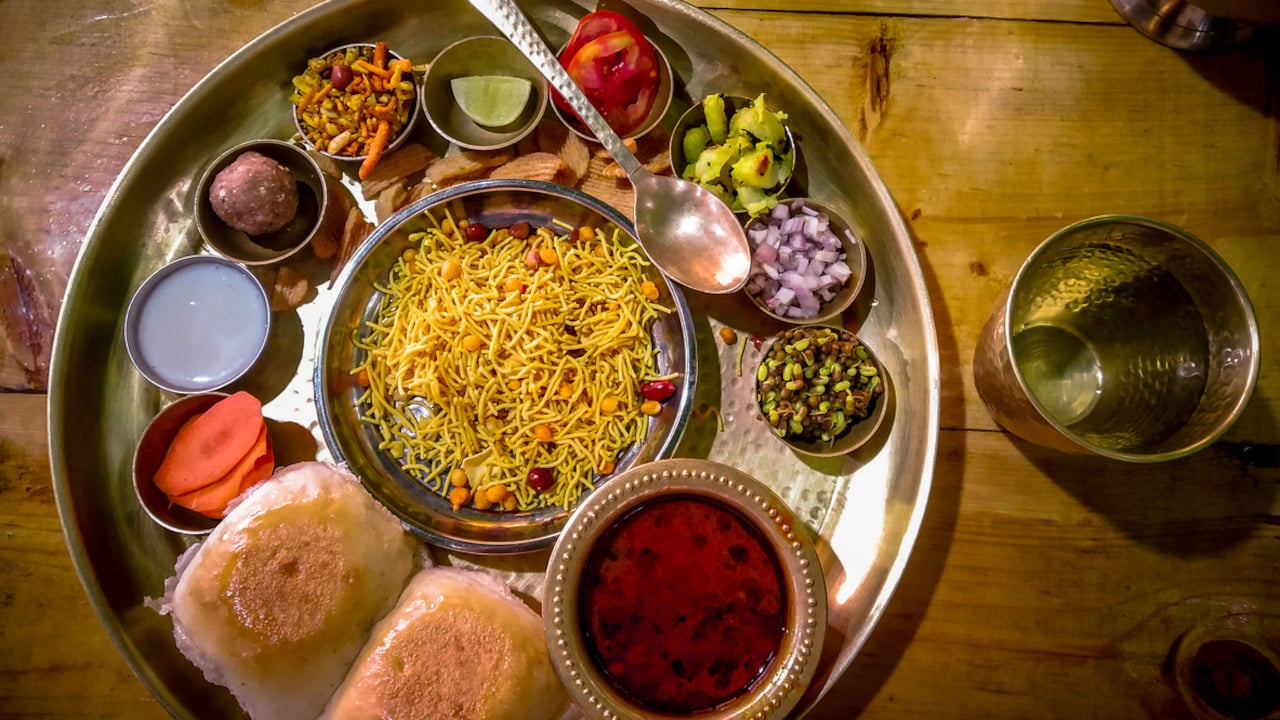
Many individuals find their cholesterol levels stubbornly high despite a plant‑based diet. Experts explain that genetics, body weight, activity levels and certain medical conditions also play decisive roles.
Across India, vegetarianism is increasingly seen as a heart‑healthy choice, yet the myth that a plant‑based diet automatically normalizes cholesterol persists. Dr. Amit Saraf, director of internal medicine at Jupiter Hospital, Thane, stresses that cholesterol regulation involves far more than diet alone.
Genetic Predisposition and Liver Production
The liver naturally synthesises cholesterol, and some individuals are genetically programmed to produce more. Dr. Saraf notes that simply cutting out oily or fatty foods is an oversimplification.
Metabolic Conditions and Weight
Conditions such as diabetes, hypothyroidism, obesity, chronic kidney disease and certain medications can elevate cholesterol levels. Without addressing these underlying issues, a vegetarian diet may not suffice.
Diet Quality and Soluble Fibre
Even vegetarian meals high in saturated fats, trans fats, added sugars and refined carbs can harm lipid profiles. Conversely, foods rich in soluble fibre—oats, legumes, fruits, vegetables and whole grains—help lower LDL by reducing absorption.
Lifestyle Matters
Regular exercise, maintaining a healthy weight, adequate sleep, stress management and abstaining from smoking all contribute to better cholesterol control and cardiovascular health.
Need for Medical Evaluation
If cholesterol remains high despite lifestyle changes, a thorough medical assessment is essential. Genetic or metabolic causes may be uncovered, and medication might become necessary to reduce heart‑attack and stroke risk.
Dr. Saraf advises that cholesterol management should be viewed as a blend of balanced eating, active living, and routine check‑ups rather than a single dietary tweak.