Two young patients in Ahmedabad had betel nut seeds and water chestnut fragments lodged in their airways, which were swiftly removed via endoscopic surgery. The incident highlights the choking hazards posed by common snack items for toddlers.
Key Takeaways
- Two children had betel nut and water chestnut pieces stuck in their windpipes.
- Ahmedabad specialists performed successful bronchoscopic removal.
- Parents must remain vigilant about choking hazards from small, hard foods.
At a leading pediatric hospital in Ahmedabad, two separate cases emerged where children aged between two and four years presented with severe coughing, breathlessness, and altered voice quality. Both were rushed to the emergency department after caregivers noticed sudden respiratory distress.
Medical Intervention
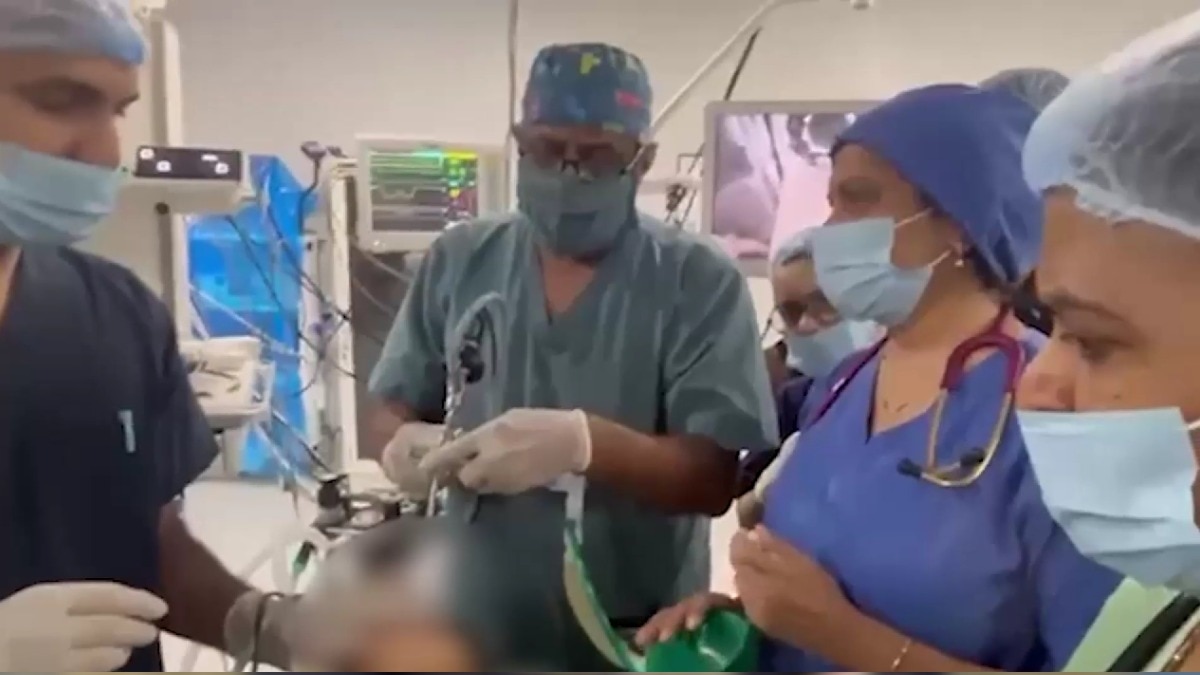
Initial assessments revealed reduced oxygen saturation and abnormal chest sounds, prompting physicians to opt for immediate bronchoscopy. Using a flexible laryngoscope, the medical team visualized the lodged objects and extracted them with precision forceps. Neither child suffered permanent airway damage, and both recovered to baseline condition within hours.
Risks Associated with Betel Nut and Water Chestnut
Betel nut (paan) enjoys widespread cultural popularity across India, while water chestnut is a common crunchy snack. Their hard, spherical nature makes them especially dangerous for young children, who lack the molar teeth needed to chew them properly. National health surveys indicate that accidental ingestion incidents in children under five number in the thousands annually, with airway obstruction being one of the most serious outcomes.
Preventive Measures
Pediatricians routinely advise parents to keep betel nut, water chestnut, nuts, and similarly sized foods out of reach of toddlers. Continuous supervision during meals, cutting foods into appropriate bite‑size pieces, and immediate access to emergency services are critical safeguards.
Future Outlook
This incident serves as a reminder for local health authorities to intensify public awareness campaigns on child‑safety nutrition. It also underscores the need for hospitals to maintain ready‑to‑use endoscopic equipment and regular emergency‑response training, ensuring rapid, safe resolution of similar cases.