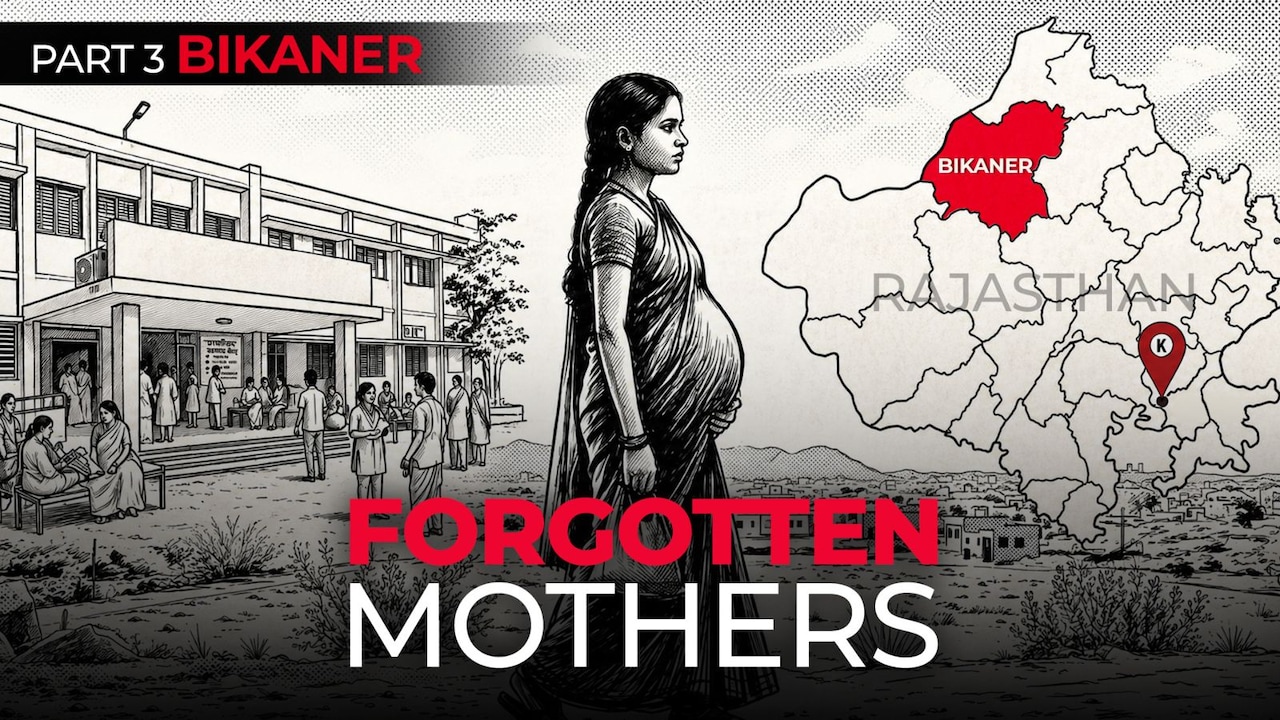
NDTV's third installment uncovers that Bikaner's PBM Hospital maternal deaths cannot be pinned to a single cause. The investigation reveals intertwined systemic flaws and emerging patterns that demand urgent action.
Key Takeaways
- No single cause identified for maternal deaths at Bikaner PBM Hospital
- Staff shortages, protocol breaches and supply chain issues collectively exacerbate risks
- Systemic reforms and continuous monitoring are essential
Bikaner, Rajasthan – In the third chapter of its deep‑dive investigation, NDTV highlights a grave maternal health crisis unfolding at the PBM (Pandit Beni Madhav) Hospital. While earlier parts examined statewide trends and administrative lapses, this segment focuses on the unique, yet interrelated, patterns emerging within the local facility.
Background and Historical Context
Rajasthan launched an ambitious maternal mortality reduction programme in 2018, yet the national Maternal Mortality Ratio (MMR) remains at 113 per 100,000 live births. Bikaner, traditionally an agrarian district, grapples with limited healthcare infrastructure and a rapidly growing population. Over the past five years, 27 maternal deaths have been officially recorded in the district, with the majority linked to PBM Hospital.
Key Findings from NDTV’s Investigation
Investigative journalists scrutinised twelve recent cases, reviewing medical records, interviewing attending physicians, and speaking with grieving families. The salient observations include:
- Post‑delivery hemorrhage, infection, and anesthesia complications each appeared, but no single factor could explain all fatalities.
- Chronic staff shortages—especially of qualified obstetricians and trained nurses—caused critical delays in emergency response.
- Irregularities in drug procurement and instances of alleged corruption undermined treatment standards.
Expert Commentary
Public‑health specialist Dr. Anita Singh of the Rajasthan Health Authority noted, "Reducing maternal mortality requires a multi‑pronged approach, not a one‑size‑fits‑all remedy." She advocated for routine hospital audits, establishment of dedicated obstetric emergency teams, and continuous up‑skilling of local medical personnel.
Future Steps and Potential Impact
The investigation urges the state government to enact immediate corrective measures. Implementing the recommended reforms could bring Bikaner’s maternal mortality rate below the national average, while also serving as a blueprint for other districts facing similar socio‑economic challenges.
Overall, the Bikaner crisis illustrates a tangled web of health‑system deficiencies, administrative opacity, and community awareness gaps. Only through coordinated oversight, policy overhaul, and grassroots engagement can this perilous trend be reversed.