Eleven students at Ambedkar Residential School in Bengaluru fell ill after dinner, prompting hospitalisation and a health department inquiry. Authorities are probing the cause amid rising concerns over school food safety in Karnataka.
Key Takeaways
- Eleven students from Ambedkar Residential School in Bengaluru were hospitalised on suspicion of food poisoning.
- Symptoms began after a dinner of rice and leafy‑vegetable curry, leading to severe stomach pain.
- Similar incidents in Karnataka’s residential schools have heightened scrutiny of institutional food safety standards.
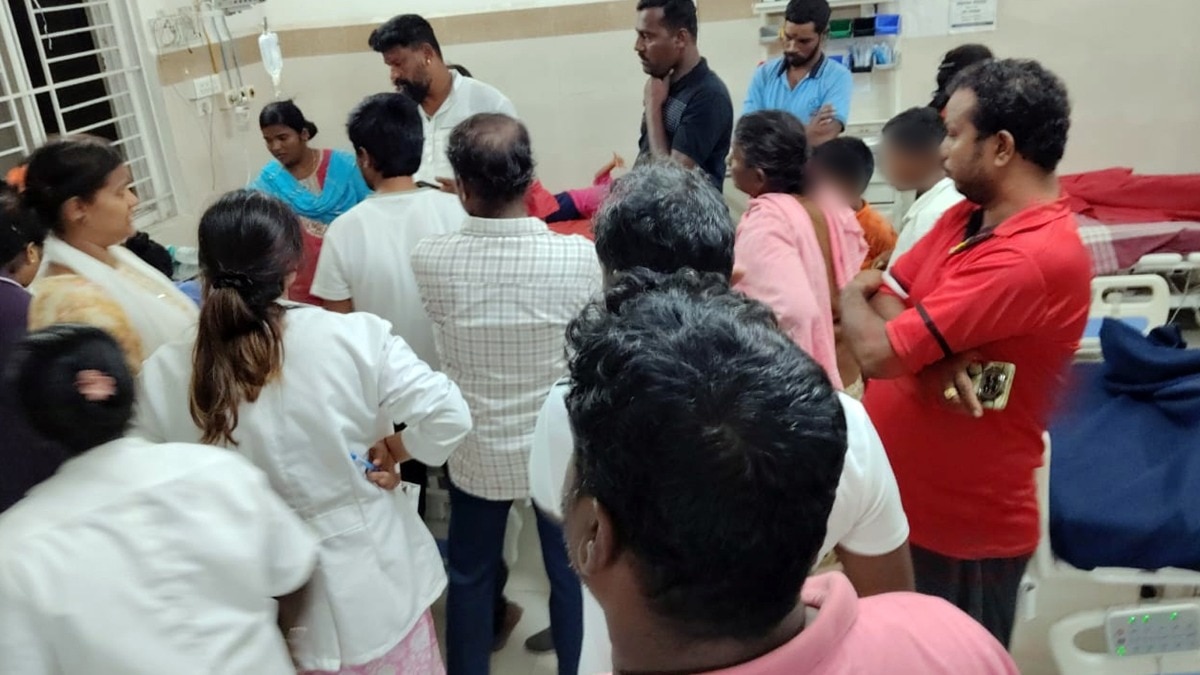
Bengaluru, Karnataka – Late Thursday night, eleven students of the privately‑run Ambedkar Residential School in Basavanapura, Bengaluru South district, reported acute abdominal pain after consuming the evening meal. Emergency medical teams rushed them to the nearest district hospital, where they remain under observation and treatment. School officials confirmed that the dinner comprised rice and a leafy‑vegetable curry, the same meal after which the students fell ill.
Immediate Investigation Launched
The Karnataka Health Department has mobilised a rapid response team to collect food samples, assess kitchen hygiene, and interview staff. While all affected students are reported to be in stable condition, officials emphasise that a thorough forensic analysis of the meal and related supplies is essential to pinpoint the contaminant, be it bacterial, viral, or chemical.
Pattern of Similar Outbreaks
This episode adds to an alarming trend of suspected food‑borne illnesses in Karnataka’s educational institutions. Just days earlier, over 30 students at a residential school in Kalaburagi were admitted after experiencing comparable symptoms. The recurrence suggests systemic gaps in food‑handling protocols, especially in hostels that serve large numbers of students daily.
Regulatory Context and Future Safeguards
Indian food‑safety regulations, such as the Food Safety and Standards Act, mandate strict compliance for institutions feeding vulnerable groups. However, enforcement often hinges on periodic inspections, which may be insufficient for high‑turnover environments like school hostels. Experts recommend routine, unannounced audits, mandatory training for kitchen staff, and a transparent reporting mechanism for students and parents to flag health concerns promptly.
Broader Implications
Beyond the immediate health crisis, the incident underscores the need for a robust, proactive framework that integrates public health surveillance with educational oversight. As Karnataka grapples with these repeated incidents, policymakers may be compelled to revise existing guidelines, impose stricter penalties for non‑compliance, and allocate resources for better monitoring infrastructure.